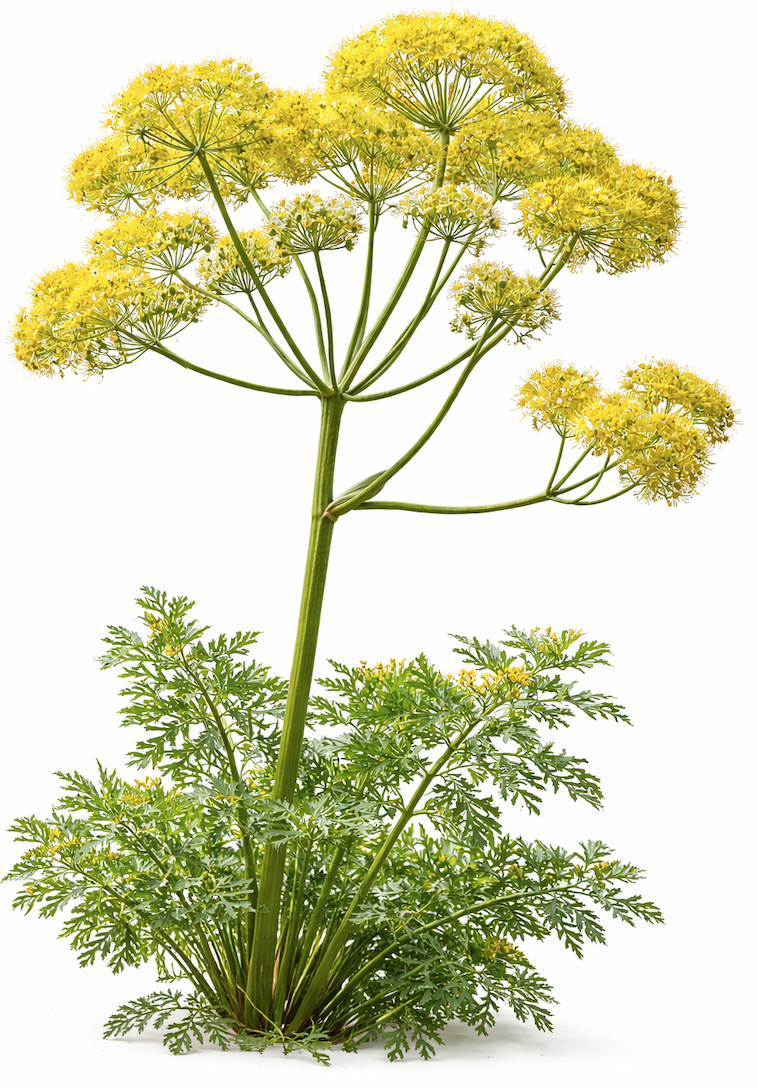
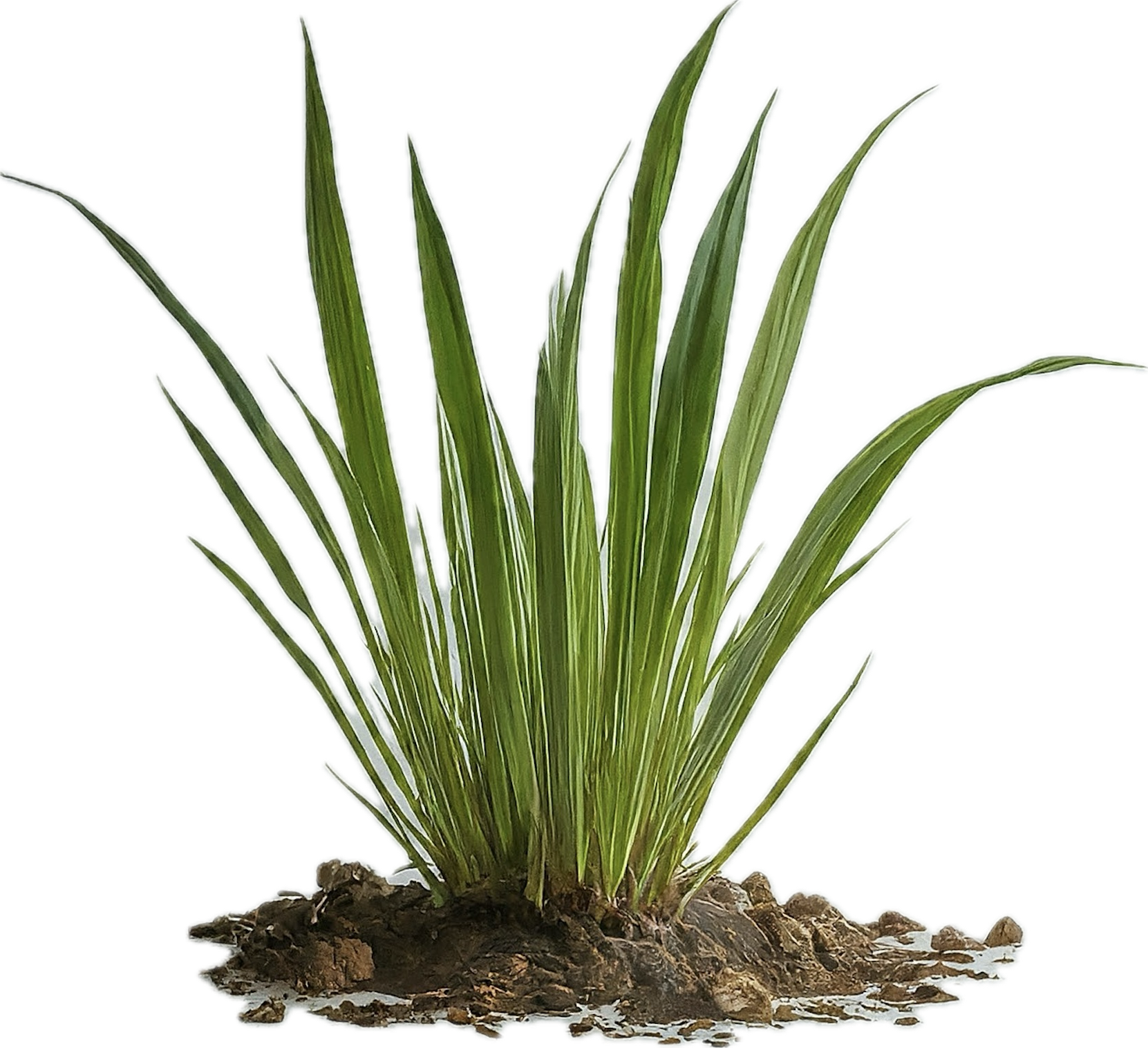
Long before people wrote recipes, laws, or letters home, they learned which plants truly mattered.Some soothed pain, some healed wounds, and some demanded immediate respect the moment they were cut.In dry lands where wind and stone shaped daily survival, a tall wild plant guarded an unusual secret.When its thick stalk was scored, a pale milky sap slowly appeared and clung stubbornly.It hardened into something unforgettable, sharp enough to stop travelers and traders alike.
Ancient traders learned quickly that not all scents were meant to charm or invite comfort. This one did not whisper politely but announced itself boldly and without apology. Strong aromas were believed to travel farther than spoken words, reaching gods, spirits, and sickness alike. People burned such substances to cleanse air, protect spaces, and steady unseen forces. Powerful smells, they believed, signaled powerful results waiting to happen.
Physicians of the ancient world paid careful attention to this persistent resin. They recorded how certain substances warmed the body and stirred systems thought to be sluggish. Greek thinkers observed its effects on breath, circulation, and physical movement within the body. They trusted plants that survived harsh terrain to perform serious internal work. Gentle cures were appreciated, but strong ones were carefully remembered and reused.
As knowledge moved westward across empires, so did this resin. Merchants carried it along dusty trade routes linking Persia with the Mediterranean world. Roman apothecaries stocked it beside oils meant for medicine, ceremony, and disciplined ritual use. It was burned in temples and mixed into salves with practical intent. This was not a scent for leisure, but for clear purpose and deliberate use.
Religious tradition eventually gave the resin a role few substances ever earn. In sacred incense formulas, it stood beside sweeter companions by deliberate design. Its presence was not optional but required for completeness. Later teachers explained it symbolized harsher parts of humanity that still belonged. Without it, the offering was considered unfinished and lacking balance within the whole.
Centuries passed, and scholars in desert libraries quietly kept the knowledge alive. Arabic and Persian physicians translated ancient texts and tested older remedies again. They used strong resins for breath, inflammation, nervous tension, and mental clarity. Trade routes ensured the substance never vanished entirely from use. Quietly, it endured while fashions and preferences rose and fell.
During the Renaissance, Europe rediscovered classical learning and old remedies together. Herbalists once again cataloged resins with careful observation and respect. They noted this one’s bitter green character and deeply grounding nature. Perfumers learned a single drop could anchor an entire fragrance structure. Too much overwhelmed the senses, while too little left something missing.
The modern era gave the resin an unexpected new stage. Twentieth-century perfumers reached for it when sweetness began to feel dishonest. They wanted clarity, sharp edges, and something unmistakably alive. This scent brought discipline and structure back into fragrance creation. It reminded the nose that beauty does not require softness to endure.
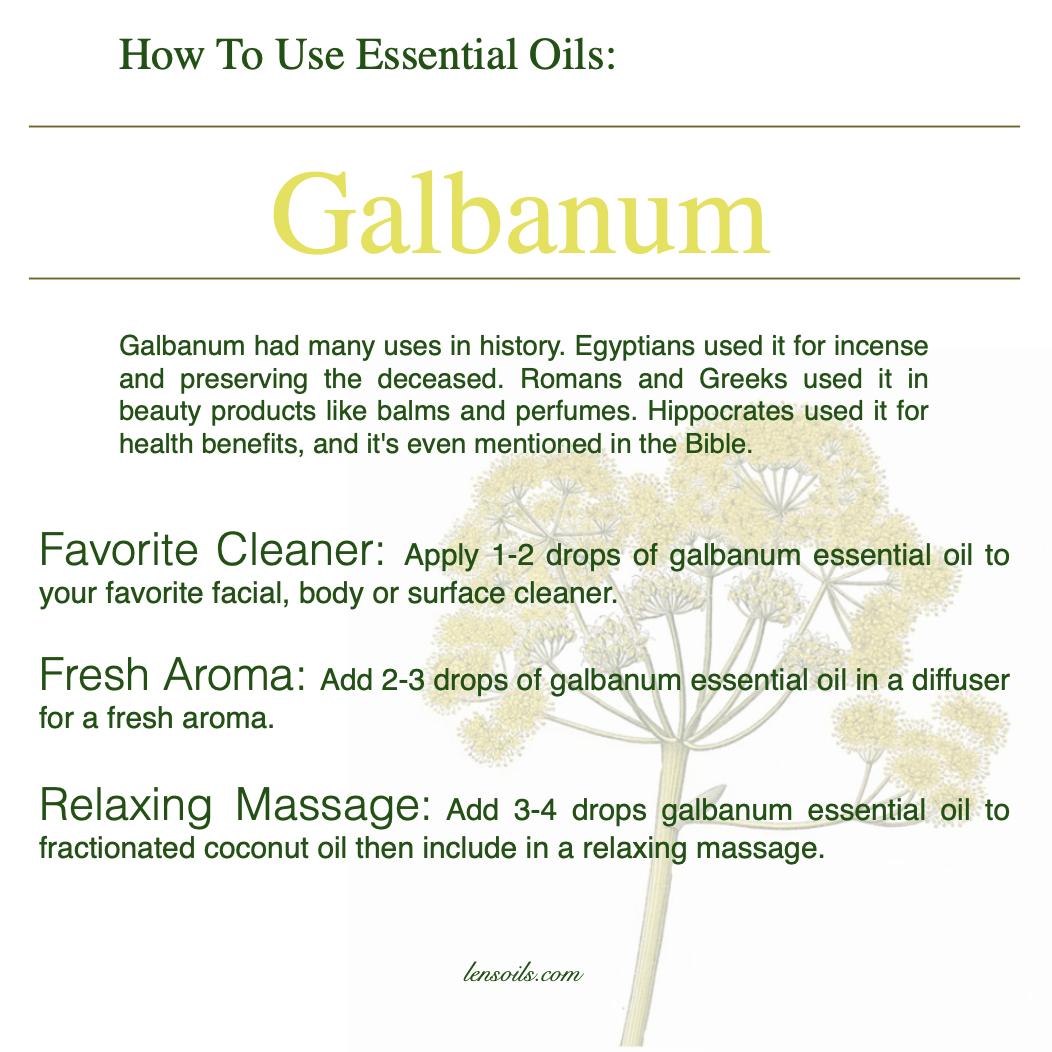
Even today, the process behind this resin has barely changed. The plant is cut, the sap collected, and the essence carefully drawn out. It appears in diffusers, massage oils, perfumes, and even household cleaners. A few drops can freshen air, ground emotions, or steady a moment. Old habits continue, simply adapted to modern bottles and everyday use.
The resin that puzzled priests, physicians, and perfumers alike is called galbanum. Used by Egyptians, Greeks, Romans, and writers of scripture, it never tried to be liked. It simply did its work faithfully, century after century, without softening its nature. Strong, honest, and unforgettable in every era it touched. And now you know the rest of the story.






 Len's Oils