Tag Archives: fevers

Bergamot and the Rest of the Story

And now, dear readers, let me unveil a tale that will whisk you away to lands both near and far. When folks hear the word bergamot, their minds often wander to the citrus trees basking in the Italian sun. But hold on to your hats, because there’s more to this story than meets the eye!

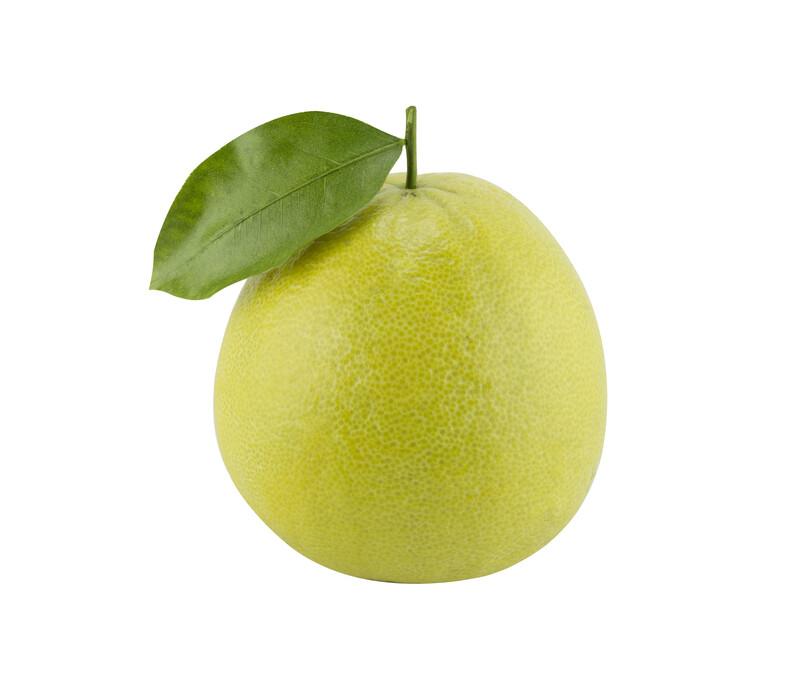
You see, there exist not one, but two varieties of bergamot. One, the citrus tree known scientifically as Citrus bergamia, stands proud, with its winter blooms and lemon-colored fruits, resembling pears in shape. Some whisper that it’s a lemon-lime concoction, while others argue it’s a blend of lemon and grapefruit. And would you believe it? These fruits don’t just hang around for show—they add flavor to our foods and drinks, like the beloved Earl Grey tea, and even find their way into the bottles of our favorite perfumes.

But wait, there’s a twist in this tale! Across the Atlantic, in the heart of North America, another bergamot reigns supreme. Known as Monarda fistulosa or Monarda didyma, this wildflower belongs to the mint family. Picture it in your mind—pink and lavender blooms, beckoning bees and hummingbirds with their charm.

Now, here’s where it gets interesting. Though they share a name, these two bergamots dance to different tunes, boasting unique chemical compositions. The citrus bergamot flaunts neoeriocitrin and ponceritin, while its herbaceous counterpart boasts p-cymene and thymol.

Let’s journey back in time, shall we? The citrus bergamot, they say, traces its roots to Southeast Asia, embarking on a grand adventure along the Silk Road to Persia and beyond, enchanting lands from Greece to Italy. And here’s a nugget for you—when Europeans set foot in South America, they carried these bergamot trees along for the ride.

But where did the name “bergamot” come from, you ask? Well, dear readers, the stories weave like a fine tapestry. Some say it’s tied to Bergamo, Italy, renowned for its bergamot orchards. Others whisper of “bey armut,” Turkish for the prince’s pear. And let’s not forget our herbaceous friend, named in honor of the Spanish physician and botanist, Nicolas Monardes.

But hold your breath, because here’s the crescendo! In today’s world, bergamot shines brightest as the star ingredient in Earl Grey tea, enchanting taste buds since the late 18th century. But did you know, its journey began far before, in ancient China, gracing teas for eons?

And there’s more! While we often brew bergamot for tea, some folks in Turkey and Greece sprinkle it into their dishes, creating delicacies like Turkish marmalade. And let’s not overlook its medicinal prowess, easing ailments from digestive woes to fevers in traditional Chinese and Ayurvedic medicine.

But wait, there’s a final flourish! Bergamot, with its tantalizing scent, has long been the jewel in perfumes and beauty products, adorning elites from ancient China to Persia. It’s a scent fit for royalty, a treasure coveted by the elite.

So there you have it, dear readers—the tale of bergamot, a fragrant symphony echoing through the ages, leaving behind a legacy as rich as its scent. When you hear the word bergamot you will know the rest of the story.

Arborvitae-Did You Know?

Cut ArborvitaeDid you know the Arborvitae has been referred to as the tree of life? A native North American western red cedar tree, can reach 180 to 200 feet in height in some areas of the Northwest but is more often seen at 50 to70 feet in height with a spread of 15 to 25 feet in width. Forming an upright pyramidal silhouette with strongly horizontal branches, Giant-Cedar is an evergreen with fragrant, dark green, delicate needles. This very rare Western Red Cedar will put on 3 to 5 feet of growth per year.
The arborvitae has been used by ancient civilizations to enhance their potential for spiritual communication during rituals and other ceremonies. Modern technology however has revealed that giant Arborvitae essential oil contains high levels of unique compounds called tropolones. Tropolones are an unusual seven membered carbon ring structure not found in significant concentrations in other essential oils. It is these tropolones that yield the unique therapeutic qualities of this oil.

When selecting a source of Arborvitae essential oil, one must be sure to choose a source whose oil does not contain thujone, a neurotoxic compound. Besides source geography, it is also essential to consider the plant part from which this oil is distilled: only essential oil from the wood of Arborvitae has been found to be free from thujone. When sampled and tested for thujone, essential oil from the wood of Arborvitae grown in the Pacific Northwest was found to have no thujone, indicating that oil from this region is safe for human use.

Arborvitae has been used for coughs, fevers and intestinal parasites. It also has antibacterial, and anti-fungal properties. Arborvitae is calming, and has been used as an insect repellent. This oil may also help with skin nourishing and sunscreen. It has a strong effect on the subconscious and unconscious mind.

Angelica-Did You Know?

Angelica The PlantDid you know Angelica is the oil of spiritual opening. Angelica essential oil acts as a spiritual guide. It opens the soul to spirituality by giving support to everyone that is on a path with their True Self, and with their higher power. Angelica assists in healing a wide range of spiritual issues such as lack of faith, feeling spiritually manipulated, or controlled by others, or feeling cut off from Divine love. It encourages a willingness to open the mind, and see spirituality in a new light.

According to one European legend, Angelica was shown in a dream by an angel to cure the plague. This is the reason this plant was named Angelica. All parts of the plant were believed to be effective against evil spirits and witchcraft. It was held in such high regard that it was called ’The Root of the Holy Ghost.’

Angelica is used a lot in the world of herbal medicine. It is useful in the treatment of fevers, colds, coughs, flatulent colic, and other stomach disorders. Externally it is used as a medicinal gargle for sore throats, and mouths and as a medicinal poultice for broken bones, swellings, itching, and rheumatism. It has been studied for antibacterial properties which help to prevent the growth of various bacteria. Angelica should not be taken in large quantities by pregnant women.

Arborvitae-Did You Know?

Cut Arborvitae

Did you know the Arborvitae has been referred to as the tree of life? A native North American western red cedar tree, can reach 180 to 200 feet in height in some areas of the Northwest but is more often seen at 50 to70 feet in height with a spread of 15 to 25 feet in width. Forming an upright pyramidal silhouette with strongly horizontal branches, Giant-Cedar is an evergreen with fragrant, dark green, delicate needles. This very rare Western Red Cedar will put on 3 to 5 feet of growth per year.

The arborvitae has been used by ancient civilizations to enhance their potential for spiritual communication during rituals and other ceremonies. Modern technology however has revealed that giant Arborvitae essential oil contains high levels of unique compounds called tropolones. Tropolones are an unusual seven membered carbon ring structure not found in significant concentrations in other essential oils. It is these tropolones that yield the unique therapeutic qualities of this oil.

When selecting a source of Arborvitae essential oil, one must be sure to choose a source whose oil does not contain thujone, a neurotoxic compound. Besides source geography, it is also essential to consider the plant part from which this oil is distilled: only essential oil from the wood of Arborvitae has been found to be free from thujone. When sampled and tested for thujone, essential oil from the wood of Arborvitae grown in the Pacific Northwest was found to have no thujone, indicating that oil from this region is safe for human use.

Arborvitae has been used for coughs, fevers and intestinal parasites. It also has antibacterial, and anti-fungal properties. Arborvitae is calming, and has been used as an insect repellent. This oil may also help with skin nourishing and sunscreen. It has a strong effect on the subconscious and unconscious mind.

Vetiver-Did You Know?

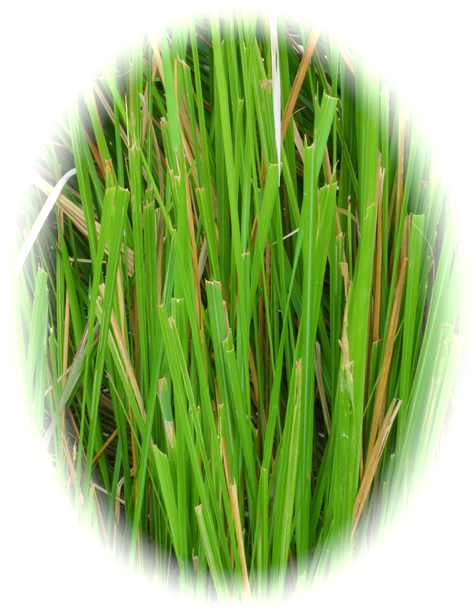
VetiverDid you know Vetiver dates backs to the 12th century? Vetiver herb and its essential oil have been used in many cultures around the world for thousands of years together. The massive amount of people that use this sacred herb is often attributed to its uplifting, soothing, healing, calming and protecting properties.

Vetiver oil is know as the ‘Oil of Tranquility’ in India and Sri Lanka. Ayurvedic treatments, which are the traditional Hindu system of medicine which are based on the idea of balance in the body systems and the use of diet, herbal treatment, and yogic breathing. This way of life involves the use of this oil to treat the imbalances of an individual’s constitution, and to heal health disorders like muscular aches, fevers, arthritis pain, loss of energy, heat strokes, joint disorders, skin problems, headaches and to cool the body during extremely high temperatures. Vetiver essential oil was also used in massaging brides to sanctify them before their marriage.