Moving day is equal parts physical exhaustion and emotional whiplash. Boxes are stacked, furniture is heavier than you remembered, and somehow everything feels urgent all at once. Between loading trucks, saying quick goodbyes, and trying not to lose important paperwork, it’s easy to feel overwhelmed. This Moving Day Survival Guide is about staying steady through the chaos—keeping your energy up, your emotions grounded, and reminding yourself that once the last box is loaded, a new chapter is already in motion.
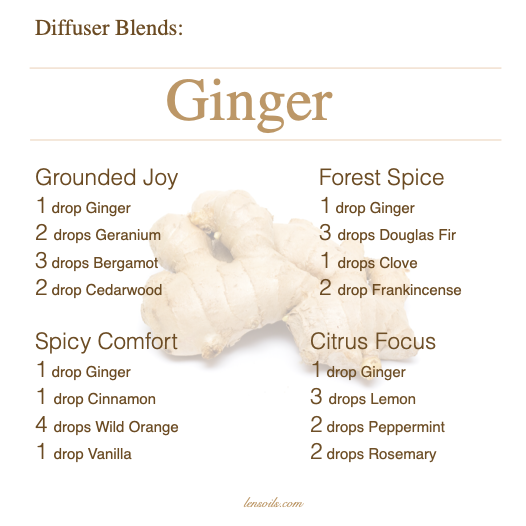
Ginger adds a warm, steady pulse to these blends, bringing both comfort and quiet motivation without stealing the spotlight. Grounded Joy feels balanced and emotionally lifting, where ginger gently anchors the florals and citrus, while Spicy Comfort is cozy and reassuring, like warmth spreading from the inside out. Forest Spice is especially grounding, blending ginger’s gentle heat with deep woods and resin to create a calm, reflective atmosphere. And Citrus Focus shows ginger’s energizing side, smoothing the sharper edges of lemon, peppermint, and rosemary so the blend feels clear, focused, and sustained rather than rushed.
Douglas Fir essential oil, distilled from the needles and branches of the towering Pseudotsuga menziesii tree, has a clean, fresh, and slightly lemony pine aroma. Native to North America, Douglas firs are iconic evergreens that can grow over 300 feet tall and live for centuries. In essential oil form, its bright, woodsy fragrance is often used to purify the air, uplift the mood, and bring the refreshing scent of the forest indoors. Diffused, it creates an environment that feels open, crisp, and revitalizing.
Beyond its invigorating scent, Douglas Fir essential oil is valued for its ability to promote clear breathing and emotional balance. It blends well with citrus oils like lemon or bergamot for an energizing aroma, or with grounding oils such as cedarwood to create a calming, forest-like experience. Many people also enjoy using it in natural cleaning sprays or massage blends for its fresh, cleansing qualities. Its combination of brightness and grounding notes makes it one of the most versatile conifer oils in aromatherapy.
Did You Know? The Douglas fir is not a true fir at all—it belongs to its own genus, Pseudotsuga. Despite this, it is one of the most important timber trees in North America, prized for its strength and resilience. Some Douglas firs are believed to be over 1,000 years old, and their massive trunks and towering height have made them symbols of endurance and vitality. Today, Douglas firs are also a favorite choice for Christmas trees because of their soft needles and uplifting scent.
It began high in the misty mountains, where towering evergreens pierced the clouds and the air always seemed a little lighter. These trees stood like guardians of the land, their scent riding the breeze long before footsteps touched the trail. Long ago, Indigenous communities in the Pacific Northwest made good use of them. The twigs were added to steam baths. The sap was applied with care. The needles were brewed into tea. And though no one wrote it down at the time, the knowledge passed from hand to hand, heart to heart. They didn’t need proof. They just knew.
Early settlers learned from what they saw and felt. After chopping wood or hunting game, they noticed how the forest seemed to restore something in them. A fresh bundle of needles in the cabin could clear the air. The resin, rubbed into sore muscles, seemed to ease tension. In winter, a hot drink steeped from green needles wasn’t just comforting—it felt necessary. People came to trust the tree, even before they knew its name.
Only in more recent times did anyone stop to measure what had always been felt. Scientists began taking a closer look at what made the scent so uplifting and the forest air feel so restorative. They found natural compounds in the oil that gave it a crisp, clean, slightly citrusy aroma. The same compounds showed promise in lab tests for keeping surfaces clean and lifting the mood during a foggy afternoon. But most people didn’t need the data. They’d already been using it for years.
In forested valleys, the practice continues. Harvesters still clip needles and twigs by hand, often in the early morning when the trees are still damp with mountain dew. Timing matters. So does care. A slight change in season or elevation can alter the character of the oil. That’s why those who value it most partner directly with growers who understand the land. One such company, doTERRA, has made it their mission to work with forest stewards—preserving the integrity of the process, supporting communities, and protecting the wild stands that have given so generously.
The tall tree with soft green needles and a bright, woodsy scent has long helped people breathe easier, feel more grounded, and reconnect with the calm of the forest. And that name? It didn’t come from the people who lived under its shade for centuries. It came later, in 1825, when a young Scottish botanist named David Douglas traveled across North America on behalf of the Royal Horticultural Society. Among many plants he documented, this towering conifer stood out—and so the tree was named in his honor. This tree is Douglas Fir. Now you know the rest of the story
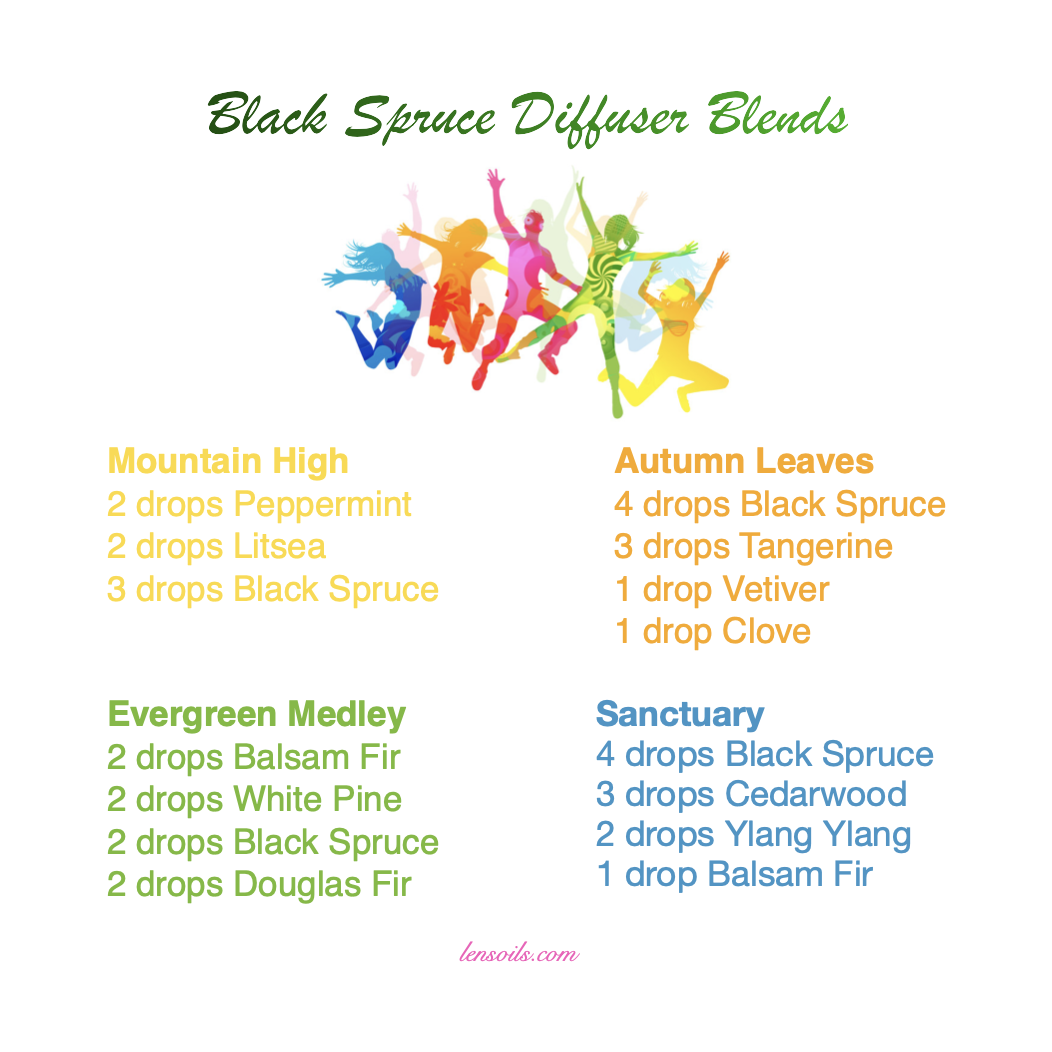
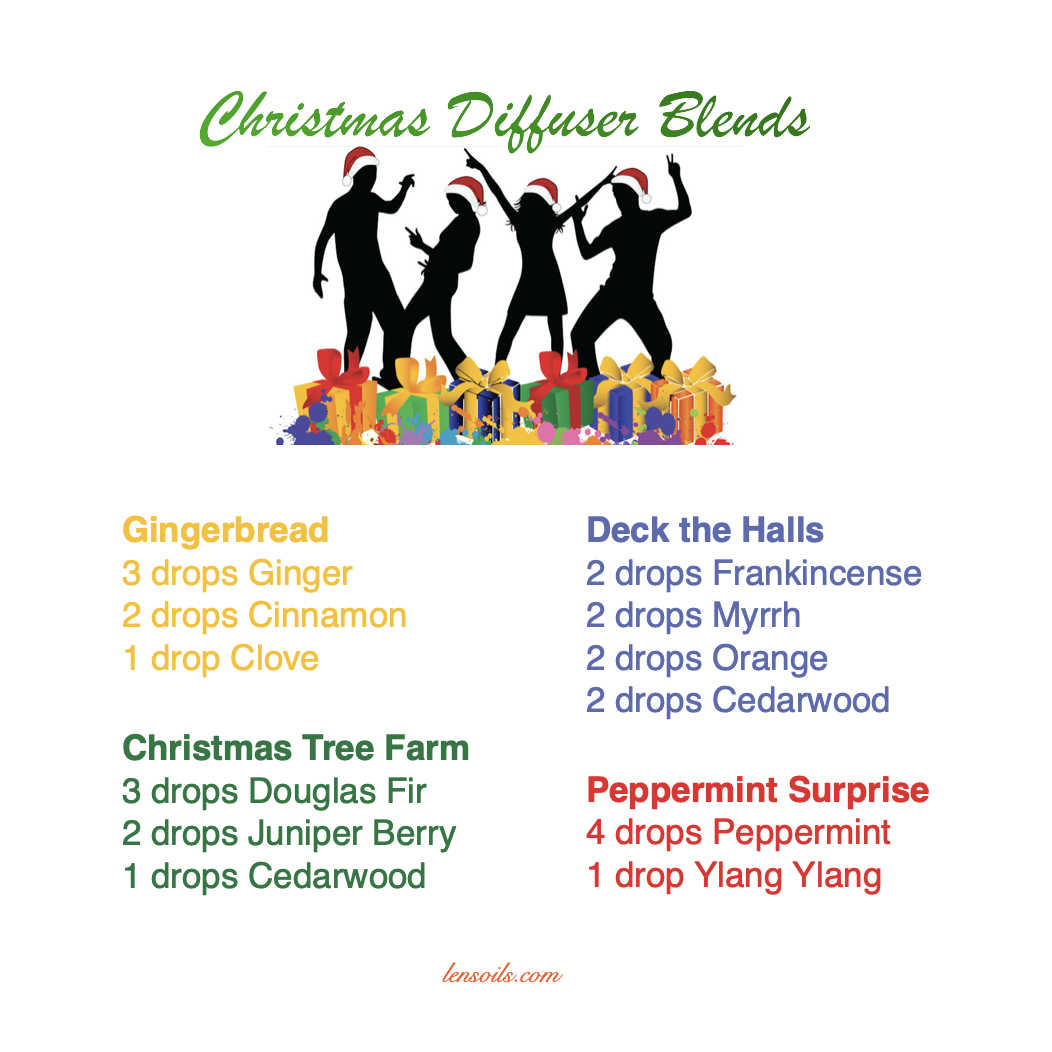
Douglas Fir essential oil, with its fresh, clean, and slightly sweet evergreen scent, is a fantastic choice for creating diffuser blends that evoke the outdoors and bring a sense of calm and clarity. This versatile oil pairs beautifully with citrus oils like Lemon, Grapefruit, and Bergamot, adding a bright and uplifting note to its woodsy aroma. For a grounding and earthy vibe, blend Douglas Fir with Cedarwood, Sandalwood, or Vetiver. It also complements other tree oils like Siberian Fir, Black Spruce, and Cypress for a rich, forest-inspired aroma. To create a refreshing and invigorating blend, try pairing it with Peppermint or Eucalyptus. Douglas Fir’s versatility also extends to blending with warm spices like Clove or Cinnamon for a cozy, wintery feel. Whether you’re seeking a grounding, energizing, or soothing experience, Douglas Fir brings a crisp and natural element to any diffuser recipe.






 Len's Oils