Deep in the humid jungles of Central America, a tree stood unlike any other. It wasn’t the tallest, nor did it bear the most beautiful flowers. Its fruit, a rough, oval-shaped pod, clung stubbornly to its branches, concealing a secret within. But for those who understood its value, this tree was more precious than gold.
Ancient civilizations revered it. The Maya, Toltecs, and Aztecs believed its seeds held divine power. They harvested them, dried them, and used them in ways that stretched beyond mere nourishment. These small, unassuming beans were valuable enough to be used as currency, exchanged for goods like food and clothing. They also became the foundation of a rich, bitter drink—one thought to bring strength, vitality, and even wisdom, making it highly prized by rulers and warriors.
Markets thrived on their trade. With enough of these beans, one could buy textiles, fresh produce, or even livestock. The value of this crop was unmatched, and entire civilizations depended on its steady cultivation. Little did they know, its influence would one day stretch far beyond their temples and pyramids.
Centuries later, explorers arrived from across the ocean, drawn to the exotic riches of the New World. Among the many treasures they carried back to Europe, this bitter bean intrigued them the most. At first, its earthy, bitter taste was unfamiliar to European palates, but with the addition of sugar and spices, it quickly became a prized delicacy. No longer just a drink for the elite, it spread across continents, captivating both kings and commoners.
Today, its uses extend beyond indulgence. Its rich, comforting aroma is a staple in aromatherapy, helping to reduce anxiety and stress. When blended with vanilla and ylang-ylang, it creates a fragrance that soothes the senses. A few drops of its absolute in a diffuser can calm the mind, while mixing it with coconut oil provides a relaxing massage that melts away tension. From luxury spas to home kitchens, it remains as treasured now as it was centuries ago.
Despite its transformation into an everyday pleasure, its history is deeply woven into the cultures that first revered it. It once fueled the economies of empires, empowered warriors, and was honored as a gift from the gods. It traveled the world, was refined, sweetened, and shared, yet never lost its essence.
One man, in particular, changed its course forever. Coenraad Van Houten, a Dutch chemist in the 19th century, refined a method to press these beans, removing excess fat and creating a fine powder that made it easier to mix into liquids and pastries. His innovation made it more accessible than ever before, paving the way for modern chocolate production. From that point forward, what was once an elite commodity became a staple in homes and industries worldwide.
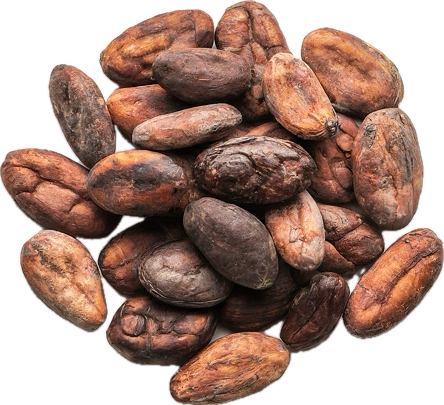
The treasure hidden in the jungle? Cocoa Bean. A simple seed that became currency, comfort, and one of the world’s greatest pleasures. It has warmed hands on cold nights, been the highlight of celebrations, and played a role in both indulgence and wellness. Whether in a cup of rich hot chocolate, a decadent dessert, or a calming massage oil, its influence is undeniable. Its journey from sacred currency to beloved treat is a testament to its enduring power. And now, you know the rest of the story.

 Len's Oils