Tag Archives: Cinnamaldehyde

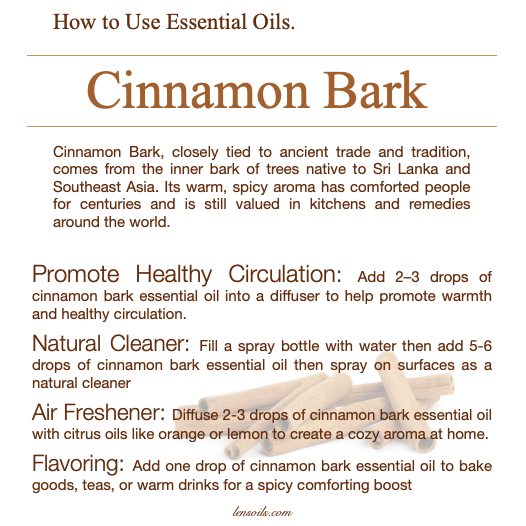
How to Use Essential Oils: Cinnamon Bark

Cinnamon Bark essential oil, distilled from the inner bark of the cinnamon tree, is treasured for its rich, spicy aroma that evokes warmth and comfort. Native to Sri Lanka and parts of Southeast Asia, cinnamon has been valued for thousands of years in trade, medicine, and ritual. Its essential oil carries strong cleansing properties, making it popular in natural home sprays and cleaners. Diffused, its bold scent creates a cozy, welcoming atmosphere that can support a sense of energy and alertness.

Beyond its household uses, cinnamon bark oil has been studied for its powerful antimicrobial qualities, which are linked to its high cinnamaldehyde content. This makes it a favorite in DIY blends for supporting a healthy environment, especially during seasonal changes. A drop is sometimes used in recipes like spiced teas or baked goods for an extra kick of flavor, though it must be used sparingly because of its strength. In aromatherapy, its stimulating aroma can help awaken the senses and lift feelings of fatigue.

Did You Know? Cinnamon was once so prized that it was considered more valuable than gold in ancient trade. Arab traders kept its true source a secret for centuries, weaving myths that it was gathered from nests of giant birds to protect its rarity. Today, the “true” cinnamon most associated with high quality comes from Cinnamomum verum of Sri Lanka, while other species like Cinnamomum cassia are more widely available but have slightly different chemical compositions.
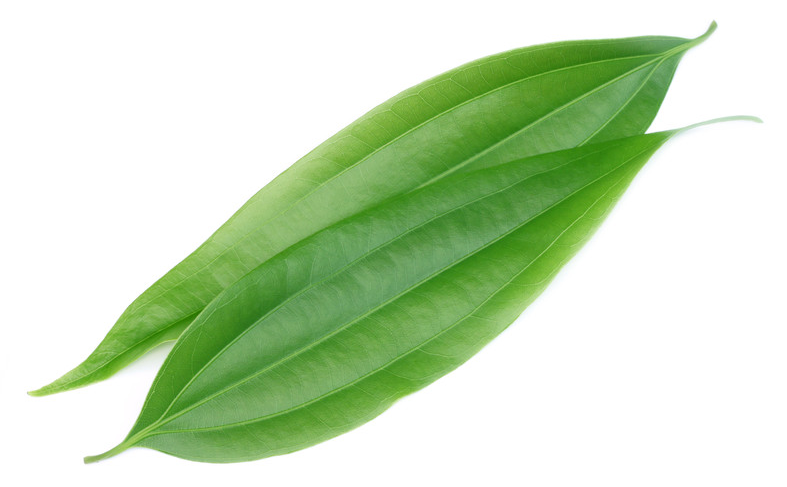
Cinnamon Bark-Did You Know?

Did you know Cinnamon is the oil of sexual harmony and greatly supports the reproductive system and aids with sexual issues? It helps people to embrace their body, and accepting their physical attractiveness. Cinnamon encourages the growth of strong relationships based on mutual love, and respect.

Cinnamon, which is actually the dried bark of the laurel tree a large tropical evergreen tree can grow up to 45 feet tall. Cinnamon has been used for thousands of years. This powerful spice was used in Egypt, Rome, and China. Cinnamon is native to Sri Lanka. The “real” cinnamon of old comes from the Cinnamomum zeylanicum tree.

Historically, cinnamon is even mentioned in the Bible. Moses used it as an ingredient for his anointing oils. In ancient Rome, it was burned during funerals, as a way to remove some of the odor of dead bodies. The ancient Egyptians used it in embalming mummies because of its pleasant odors and its preservative qualities.

Extracted from bark, cinnamon oil contains strong cleansing and immune enhancing properties. Due to its high content of cinnamaldehyde, Cinnamon should be diluted with Fractionated Coconut Oil when applied to the skin and only one to two drops are needed for internal benefits.

Cinnamon is very purifying to the circulatory system and it helps promote circulation, both internally and when applied to the skin, helping to ease sore muscles and joints. Cinnamon helps maintain a healthy immune system, especially when seasonal threats are high. When diffused, Cinnamon promotes clear breathing while purifying the air. Cinnamon is frequently used in mouth rinses and gums for its oral health benefits. Cinnamon has a long history of culinary uses, adding spice to desserts, entrees, and hot drinks.