Tag Archives: calming properties

Tree of Life and the Rest of the Story

In the annals of history, there’s a remarkable tree often referred to as the “tree of life.” Its name hails from the 16th century, when French explorer Cartier learned from Native Americans how to use its leaves to treat scurvy, a disease caused by a lack of vitamin C. In Michigan, there’s even a record-breaking tree that’s really tall and wide.

This tree made its debut in Europe when French explorers brought it to Paris, marking it as the first tree from North America. It became a lifesaver during sea voyages when its bark and leaves were found to cure scurvy.

Belonging to a group called conifers, these trees produce cones and have special tissues for carrying water. They include various types like cedars, firs, and pines. Part of the cypress family, this tree is known for its strong and durable wood.

The wood has been used for many things, from making chests to building fences. It is mentioned to help with rheumatism. Some suggest it as a remedy for warts, but there’s not enough evidence for this.

These trees are popular for their ornamental value, growing quickly and creating natural fences. Additionally, the essential oil from these trees has calming properties and can be used in diffusers or applied to the skin for a peaceful feeling.

For maintaining wooden furniture, a natural wood polish can be made using the essential oil and other ingredients. This helps keep furniture fresh and clean without harmful chemicals.

Those interested in making cologne can combine the oil with cedarwood and frankincense for a musky outdoor scent that uplifts the senses. Whether for relaxation or practical uses, the arborvitae proves to be versatile and valuable in various aspects of life. Now you know the rest of the story.
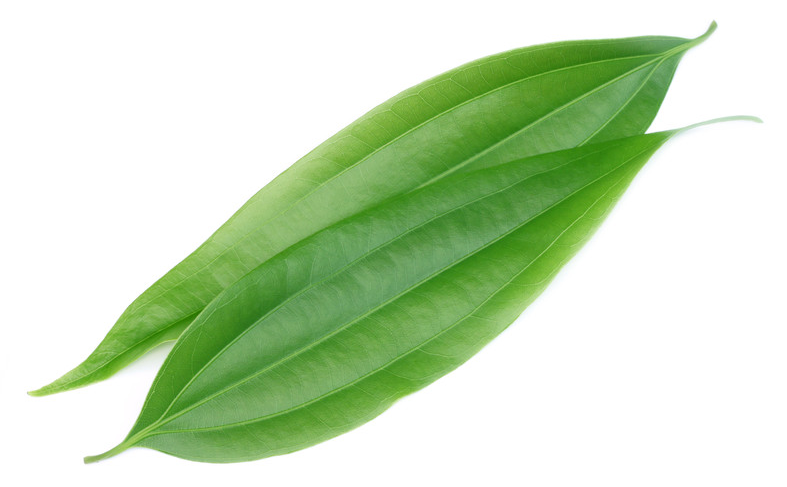
Cassia-Did You Know?

Cassia-Did You KnowDid you you know Cassia is the oil of Self Assurance? Cassia brings pleased delight, and the ability to do things that might frighten you. It is a delightful remedy for those that show nervousness or have a lack of courage. Cassia helps people with a feeling of doubt or disbelief by replacing these feelings with self assurance. Cassia helps people in self discovery of their authentic self.

Cassia is mentioned three times directly in the Bible, and mentioned over 65 times indirectly. It is a fragrant, aromatic bark and was probably used in a powdered form, and as one of the perfumes at funerals. Cassia, like cinnamon, was used by the Romans. Cassia was recorded in one of the oldest known medical records. It was in the Ebers papyrus an ancient book that contains over 800 recipes.

Cassia is a close relative to Cinnamon, has a strong, spicy aroma that can be used in small quantities to transform any essential oil blend. Cassia has been used for thousands of years to maintain physical health and promote emotional well-being. Cassia has an unmistakable fragrance and calming properties.

Cassia is a “warming” oil that helps promote circulation while maintaining healthy immune function. It can also aid in digestion, lessen nausea, and is a great oil to diffuse during cold months due to its warming properties and spicy scent.

Due to its caustic nature, Cassia should be diluted with Fractionated Coconut Oil when applied to the skin and can be very strong when inhaled directly. When diluted, Cassia can help soothe sore, achy joints. Cassia can be used in cooking either as a replacement for Cinnamon in pies and breads, or by itself in many different entrees and desserts.

Marjoram-Did You Know?

MarjoramDid you know Marjoram essential oil is the Oil of Connection? Marjoram assists people who are unable to trust others or form a serious relationship. Being unable to trust often originates from unpleasant life experiences. Marjoram teaches that trust is the foundation for all human relationships.

Marjoram is surrounded by mythology. People thought marjoram was created by the greek goddess Venus who gifted it with its pleasant sweet flavor and aroma. This is one of the most desired sought after herbs by Aphrodite. People believed that when an unmarried girl kept a marjoram plant in her bed she would see Aphrodite in her dreams, who would then reveal to her, a prospective husband.

By the middle ages, marjoram was worn by couples as garlands to represent love, warm respect, and contentment. It was also added in the food to encourage devotion. Due to its sweet aroma, it was frequently used as deodorant and carried in bouquets and sweet bags. People of England used marjoram as a preservative.

Marjoram was known to the Greeks and Romans as a symbol of happiness. Marjoram has been used in culinary dishes, imparting a unique flavor to soups, stews, dressings, and sauces. In Germany, Marjoram is known as the “Goose Herb” for its traditional use in roasting geese.

In traditional Austrian medicine, Marjoram was used to promote gastrointestinal health and to purify the skin. In modern applications, Marjoram is valued for its calming properties, and for its positive effect on the nervous system. It also soothes tired, stressed muscles, and supports both healthy cardiovascular, and respiratory systems.

Marjoram-Did You Know?

Marjoram

Did you know Marjoram essential oil is the oil of Connection? Marjoram assists people who are unable to trust others or form a serious relationship. Being unable to trust often originates from unpleasant life experiences. Marjoram teaches that trust is the foundation for all human relationships.

Marjoram is surrounded by mythology. People thought marjoram was created by the greek goddess Venus who gifted it with its pleasant sweet flavor and aroma. This is one of the most desired sought after herbs by Aphrodite. People believed that when an unmarried girl kept a marjoram plant in her bed she would see Aphrodite in her dreams, who would then reveal to her, a prospective husband.

By the middle ages, marjoram was worn by couples as garlands to represent love, warm respect, and contentment. It was also added in the food to encourage devotion. Due to its sweet aroma, it was frequently used as deodorant and carried in bouquets and sweet bags. People of England used marjoram as a preservative.

Marjoram was known to the Greeks and Romans as a symbol of happiness. Marjoram has been used in culinary dishes, imparting a unique flavor to soups, stews, dressings, and sauces. In Germany, Marjoram is known as the “Goose Herb” for its traditional use in roasting geese.

In traditional Austrian medicine, Marjoram was used to promote gastrointestinal health and to purify the skin. In modern applications, Marjoram is valued for its calming properties, and for its positive effect on the nervous system. It also soothes tired, stressed muscles, and supports both healthy cardiovascular, and respiratory systems.