Tag Archives: calamus

Essential Oils in the Bible: Song of Solomon 4:13-14

The passage from Song of Solomon 4:13-14 is part of a poetic love song that symbolizes deep affection and devotion. The Song of Solomon, also known as the Song of Songs, is traditionally interpreted as a dialogue between King Solomon and his beloved, often seen as an allegory of God’s love for His people. In these verses, the beloved’s presence is compared to a flourishing garden filled with rich, fragrant plants and valuable spices, highlighting both beauty and abundance. The imagery of pomegranates, spikenard, saffron, cinnamon, frankincense, myrrh, and aloes suggests a place of great delight, luxury, and spiritual significance. These plants were not only treasured for their aromatic qualities but were also used for anointing, purification, and healing in biblical times.

Essential oils and aromatic resins played a profound role in the daily lives and religious practices of ancient Israel. Spikenard, for instance, was a costly and precious oil often associated with worship and anointing, as seen when Mary anointed Jesus’ feet with it (John 12:3). Frankincense and myrrh, famously given to Christ at His birth, were used in sacred rituals, symbolizing prayer, purification, and divine presence. Cinnamon and calamus were key ingredients in the holy anointing oil described in Exodus 30:23-25, used to consecrate priests and sacred objects. These oils were not merely for fragrance—they carried spiritual and medicinal properties, valued for their ability to heal, preserve, and set apart.

The inclusion of these plants and oils in Song of Solomon suggests more than just physical attraction; it speaks to the richness of love and devotion that mirrors divine intimacy. The garden imagery reflects Edenic perfection, symbolizing the restoration of harmony between humanity and God. Just as essential oils were used for anointing and healing, the love described in this passage is one that refreshes, restores, and sustains. This passage, steeped in sensory richness, not only illustrates the deep bond between the lovers but also points to the sacred role of aromatic plants in biblical culture—used for healing, worship, and as an expression of divine blessing.
Essential Oils in the Bible

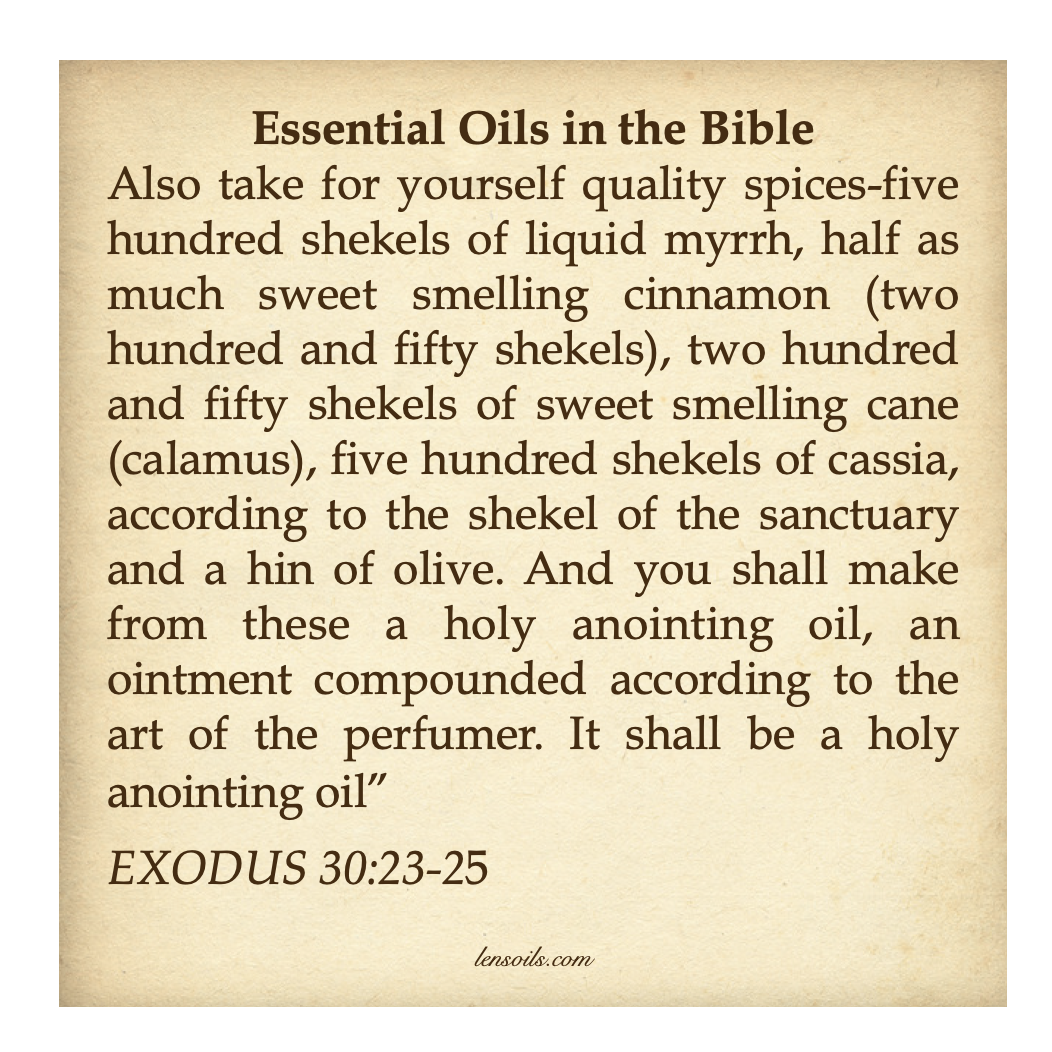
In the Bible, God instructs Moses to create a special holy anointing oil using specific ingredients. This recipe is found in Exodus 30:23-25. Here’s a simplified explanation:

Take the following high-quality spices:

  • 500 shekels of liquid myrrh
  • 250 shekels of sweet-smelling cinnamon
  • 250 shekels of calamus (a fragrant cane)
  • 500 shekels of cassia (a spice similar to cinnamon)
  • A hin (about a gallon) of olive oil

These ingredients are combined by a skilled perfumer to create a sacred anointing oil. This oil was set apart as holy and used for special purposes in worship and dedication.

12 Essential Oils in the Bible

Here are 12 of the most revered oils of the Bible and their historic uses…

1. Frankincense

Frankincense is the king of the oils. It was used as a primary component of the holy incense, a medicine and a currency — and of course, it was a gift from the wise men to baby Jesus. In fact, at the time of Jesus’ birth, both frankincense and myrrh may have been worth more than their weight in the third gift: gold.

2. Myrrh

Quoted in Scripture 156 times, uses of myrrh oil in the Bible included use as an ointment, an incense, an embalming ingredient and as a skin beauty treatment by Queen Esther in Esther 2:12. By far, myrrh’s most common usage in the Bible is as a part of holy anointing oil.

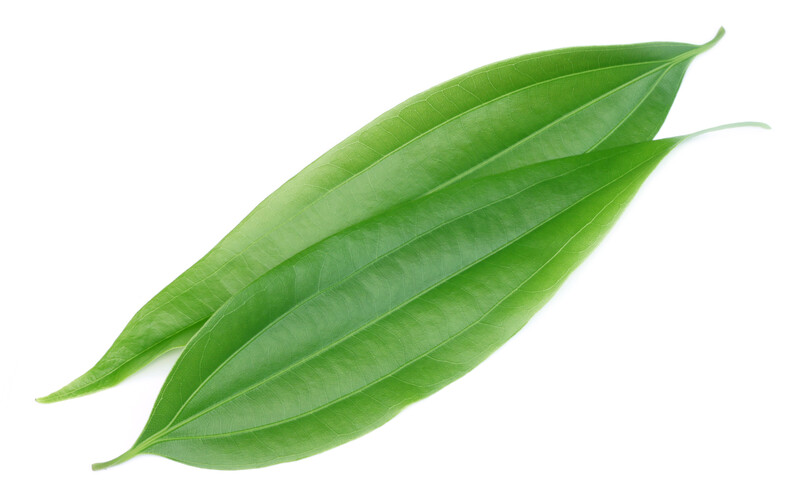
3. Cinnamon

Like myrrh, cinnamon oil was a chief ingredient in holy anointing oil and used to cleanse the air, kill mold and act as a natural medicine. In Proverbs 7:17, Solomon uses this aromatic oil in the bedroom and as a natural perfume or cologne.

4. Cedarwood

King Solomon used cedarwood in building God’s temple and Jesus was crucified on a cross made of cedarwood or cypress. It was thought to bring wisdom, was used for ritual cleansing and served as medicine in treating skin conditions and leprosy.

5. Spikenard

In Biblical times, “nard” was not only a very expensive perfume but also a precious ointment that was used as medicine. Interestingly, the “spikenard” used in the Bible may have in fact been lavender oil. In John 12:3, the Bible tells how spikenard was used to anoint Jesus just days before His death and resurrection.

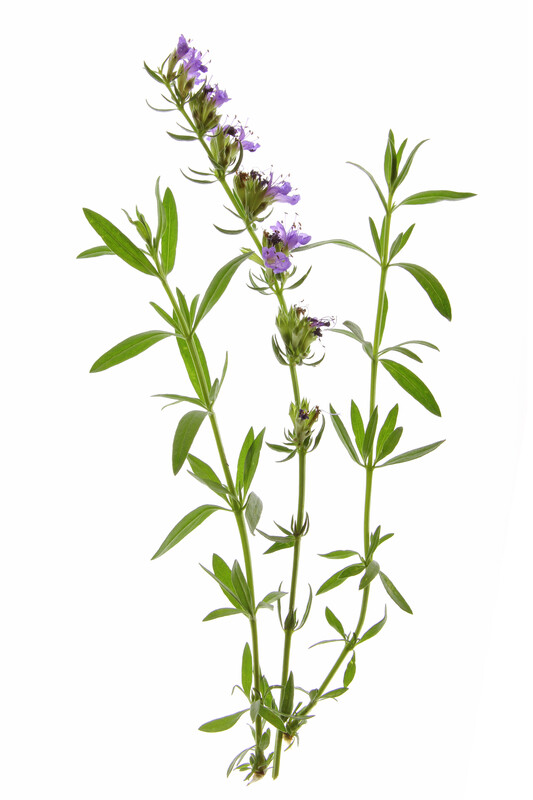
6. Hyssop

In the Old Testament, God commanded His people to use hyssop in the ceremonial cleansing of people and houses. Hyssop appears at Jesus’ crucifixion, when the Roman soldiers offered Jesus a drink of wine vinegar on a sponge at the end of a stalk of hyssop.

7. Cassia

An herb very similar to cinnamon, cassia oil is the fourth ingredient listed in the holy anointing oil detailed in Exodus 30:24. It may have been brought out of Egypt when the Israelites fled Pharaoh and was commonly used with myrrh and aloes to scent garments.

8. Sandalwood (Aloes)

In Scripture, sandalwood is referred to as “aloes” and is called one of the oils of joy and gladness along with frankincense, myrrh and cedarwood. Nicodemus and Joseph of Arimathea brought sandalwood (aloes) and myrrh to bury Jesus, and in today’s market, the amount of oils used would be worth an estimated $200,000.

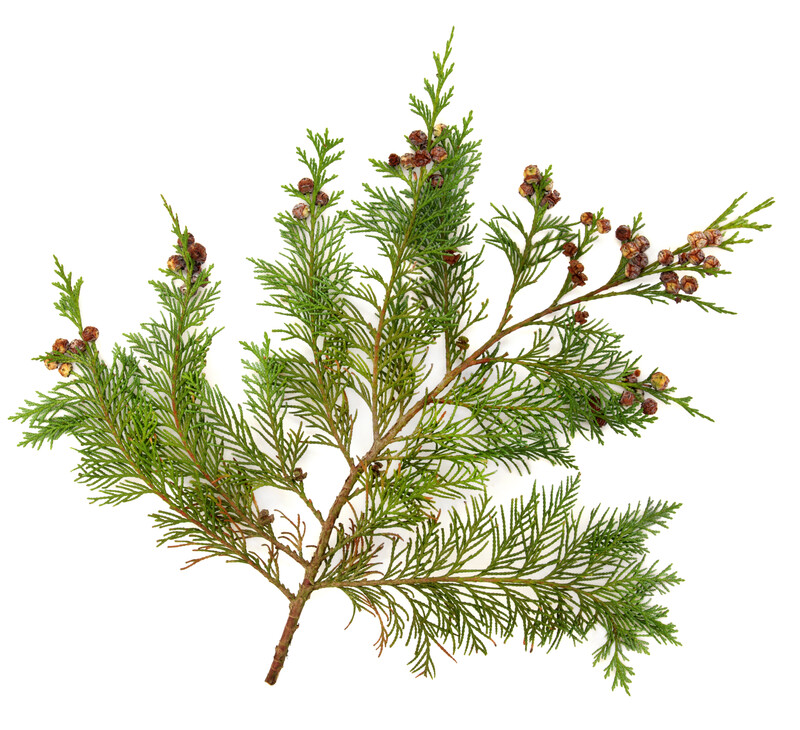
9. Cypress

Cypress is celebrated in Scripture as a symbol of strength, security and prosperity. The Bible mentions cypress as the choice wood for building, trading and even weaponry. In Genesis 6:14, God commanded Noah to “make yourself an ark of gopher wood,” which in modern English is in fact “cypress.”

10. Galbanum

Galbanum is a main ingredient of the holy incense used in the heart of the temple in Exodus 30:34. Interestingly, although galbanum itself has a somewhat foul odor, when burned with other sweet smelling oils in holy incense, it has the most beautiful scent and was thought to balance the emotions.

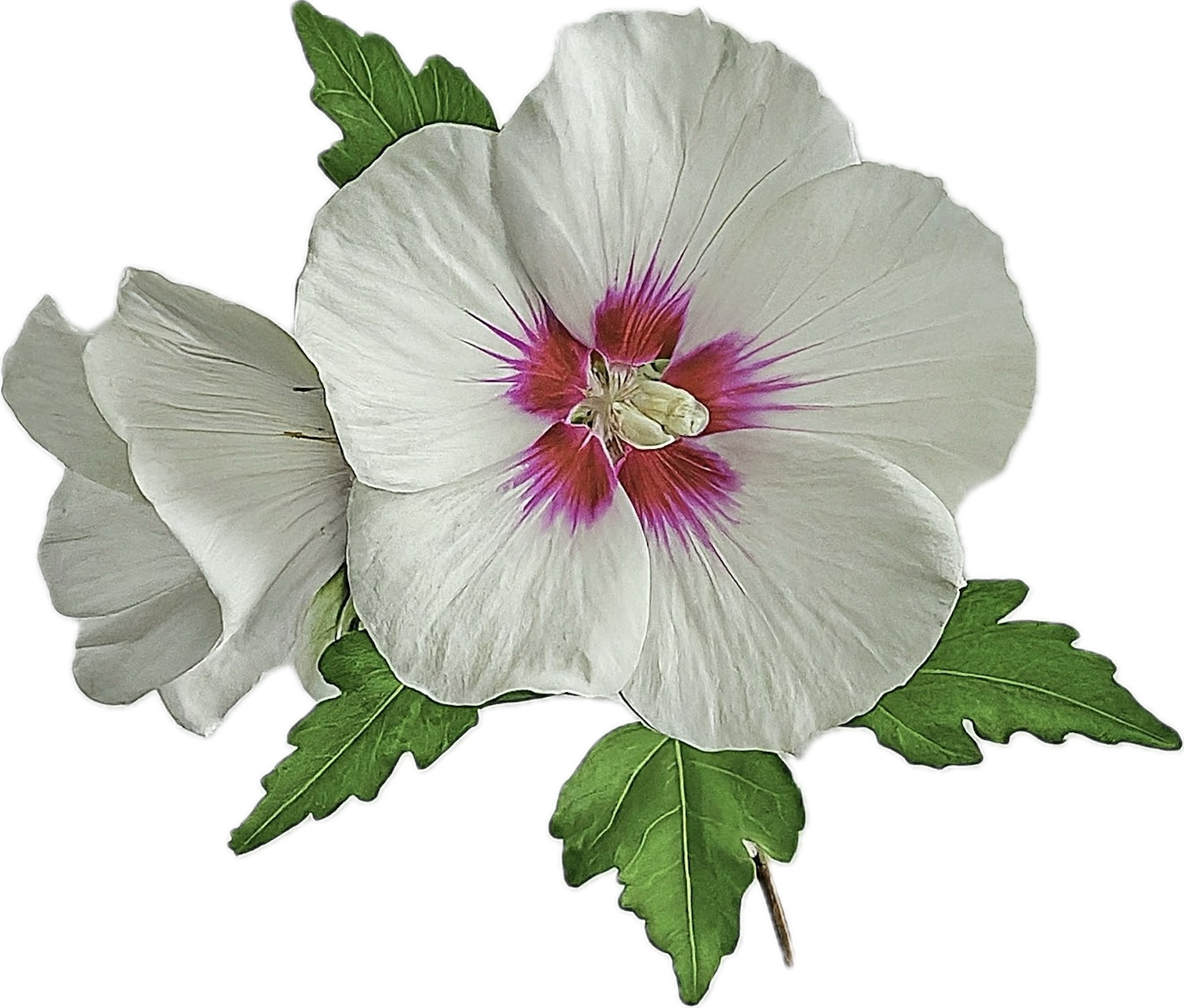
11. Rose of Sharon

Mentioned in the Song of Solomon, the rose of Sharon is not really a “rose” but instead similar to the hibiscus or tulip (which is also called cistus). Some Bible expositors see the rose of Sharon as Christ and the lily as the church, His bride.

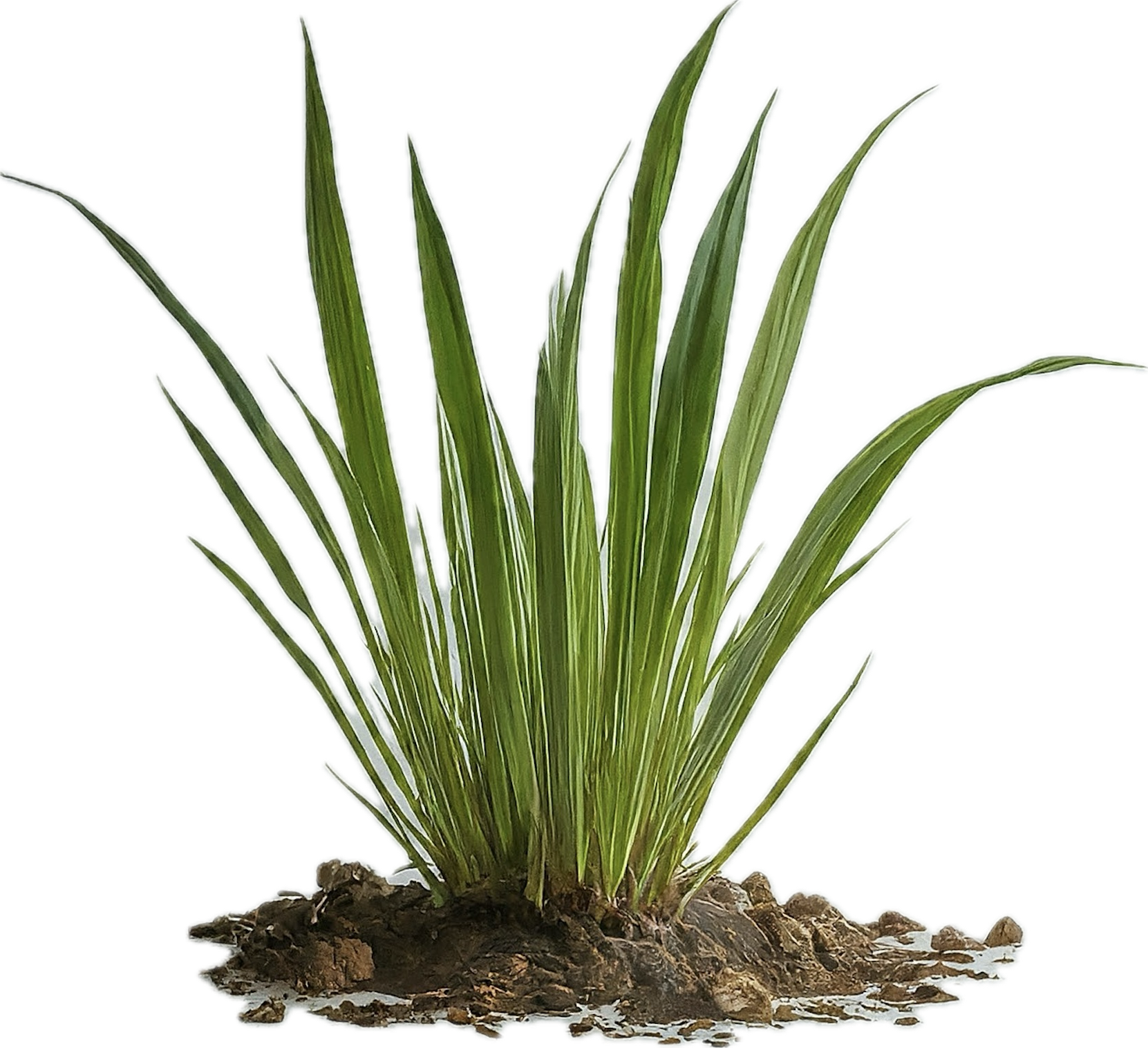
12. Calamus

Also known as “sweet cane,” calamus is an ancient herb that is perhaps what we now know as lemongrass. In Biblical times, calamus was used in perfumes, incense and as an ingredient in the special holy anointing oil used by the priests in the temple.