Tag Archives: Aromatherapists

Top Essential Oil Leader: Ingeborg Stadelmann

Ingeborg Stadelmann: Pioneering Holistic Midwifery and Aromatherapy

Ingeborg Stadelmann is a well-known German midwife, aromatherapist, and author specializing in natural approaches to pregnancy and childbirth. She has dedicated her career to integrating holistic methods into maternal care, particularly through the use of essential oils, homeopathy, and phytotherapy. Stadelmann’s expertise has influenced both expecting mothers and healthcare professionals, making her a respected figure in the field of alternative maternity care. Her advocacy for natural childbirth practices aligns with her belief in empowering women to take an active role in their birthing experiences.

Born in 1956, Stadelmann grew up in Germany, where she developed an early interest in natural healing and women’s health. As a young woman, she pursued a career in midwifery, undergoing rigorous training to become a certified midwife. Her passion for natural remedies was influenced by her exposure to traditional herbal medicine and homeopathy, which were prevalent in certain European medical practices. This foundation helped shape her approach to midwifery, leading her to explore the potential benefits of essential oils and other holistic treatments in pregnancy and childbirth.

Throughout her career, Stadelmann worked as a practicing midwife for several decades, supporting countless women through pregnancy, labor, and postpartum recovery. She became known for her hands-on experience and deep understanding of the physiological and emotional aspects of childbirth. Her work in hospitals and home-birth settings gave her firsthand insight into the challenges and benefits of different birthing methods. She strongly advocated for a balance between modern medical practices and traditional, natural approaches, emphasizing that both could complement each other in maternal care.

One of Stadelmann’s most significant contributions is her book The Aromatherapy Handbook for Pregnancy and Childbirth, which provides detailed guidance on using essential oils safely and effectively during pregnancy, labor, and postpartum. This book has become a widely referenced resource among midwives, doulas, and expecting mothers who seek natural methods for pain relief, relaxation, and emotional well-being. The book’s emphasis on scientific research, combined with practical experience, has helped demystify aromatherapy and made it more accessible to mainstream maternity care.

In addition to her work as an author, Stadelmann has been an active educator and speaker. She has conducted numerous workshops and seminars on natural childbirth, aromatherapy, and holistic maternal care, sharing her knowledge with healthcare professionals and parents alike. Her influence extends beyond Germany, as her work has been translated and studied in various countries. By promoting safe and evidence-based alternative therapies, she has played a crucial role in bridging the gap between traditional midwifery and modern medicine.

Stadelmann is also an honorary member of Forum Essenzia e.V., an organization dedicated to research and education on essential oils. Her contributions to the field have helped establish credibility for aromatherapy in clinical settings, particularly in maternity wards and birthing centers. She has worked closely with healthcare institutions to ensure that essential oils are used appropriately and safely, advocating for high-quality, natural products free from synthetic additives.

Even in retirement, Stadelmann’s impact continues through her books, teachings, and the midwives she has trained over the years. Her legacy is evident in the growing acceptance of aromatherapy and natural remedies in maternal care. She has inspired many healthcare professionals to consider holistic approaches when supporting pregnant women, emphasizing the importance of individualized care and informed decision-making.

Through her extensive work, Ingeborg Stadelmann has left a lasting mark on the world of midwifery and holistic health. Her dedication to integrating natural remedies into childbirth practices has helped many women experience a more comfortable and empowered pregnancy journey. With a career spanning decades, she remains a respected figure in the field, known for her commitment to evidence-based holistic care and her passion for improving maternal health worldwide.

The Spice of Wellness and the Rest of the Story

In the bustling markets of ancient China, healers and herbalists sought remedies for ailments both great and small. They turned to roots, leaves, and seeds, blending them into tonics and teas. Among these was a particular seed, small but powerful, valued for its ability to ease digestion and bring balance to the body. By the 5th century, it had become a staple in Chinese medicine, known for its ability to cool the body and calm the mind.

Far to the west, in the heart of the Mediterranean, Greek physicians took notice. Hippocrates, the father of modern medicine, praised the seed for its medicinal properties. He saw it as more than just a spice—it was a remedy, a healer. To the Greeks, it was a symbol of good health, used to treat ailments ranging from digestive troubles to nervous tension. And so, it made its way into their diets and their medicines.

By the time the Romans rose to power, the seed had cemented its place in history. Pliny the Elder, the great Roman naturalist, wrote of its effectiveness, describing how it was used to aid digestion and purify the body. Roman soldiers carried it with them on long campaigns, believing it kept their stomachs strong and their minds sharp. It was scattered on tables, mixed into broths, and even blended into wine.

In India, Ayurvedic practitioners had long embraced the seed’s power. They believed it brought warmth to the body, aided circulation, and supported overall well-being. It was used in massages, teas, and restorative tonics. Even today, in the practice of Ayurveda, this seed is seen as a key to balance, promoting digestion and relaxation through ancient traditions that have stood the test of time.

By the 19th century, science had begun to catch up with tradition. Chemists discovered that the seed contained phthalides, compounds that supported digestion and helped maintain a sense of calm. Researchers noted its effect on the nervous system and how it could contribute to an uplifted mindset. Doctors began recommending it as a natural remedy, and its essential oil gained recognition in holistic healing.

One of those fascinated by its benefits was Dr. John Christopher, a renowned herbalist who studied plants and their effects on human health. He incorporated the seed’s oil into his practice, using it to help with digestive concerns and to encourage relaxation. His work helped bring herbal medicine into the modern age, emphasizing the value of plant-based healing.

But the seed’s influence didn’t stop at digestion. Scientists exploring its oil found that when diffused, it could promote a positive, uplifting atmosphere. Aromatherapists began blending it with other essential oils to create calming, soothing scents, ideal for relieving tension and supporting restful sleep.

Even in modern spas, its oil is recognized for its ability to promote relaxation. When added to warm bath water with Epsom salt, it creates a calming soak, easing both the body and the mind. Whether used in baths, diffusers, or herbal remedies, its effects are undeniable—it has been a quiet companion to wellness for centuries.

And now, with all the clues before you—the ancient markets, the wisdom of Hippocrates, the soldiers of Rome, and the healers of Ayurveda—you might think we’re talking about fennel or anise. But no, the timeless remedy of this story is celery seed. With its distinct aroma, digestive benefits, and calming properties, it has been a trusted remedy for generations.

And now you know the rest of the story.

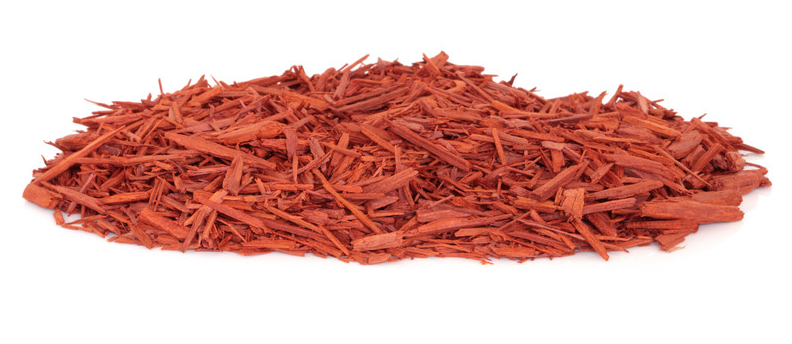
Sandalwood- Did You Know?

SandalwoodDid you know Sandalwood is the oil of sacred devotion? It helps with all kinds of spiritual worship including prayer, and meditation. It teaches reverence and respect for God. Sandalwood has been used since ancient times. More than 4,000 years ago, it was used to calm the mind, still the heart, and prepare the spirit to commune with Deity. In India, it’s been valued for at least 2,000 years as one of the most sacred trees, and an important part of devotional rituals.

Sandalwood is a tree with a extremely aromatic wood. It is economically and culturally important to many countries around the Pacific and Eastern Indian Ocean regions where it grows or is traded. The wood is used for making furniture, ornaments, sacred objects, carvings, and joss sticks (incense). The essential oil is used in medicine, perfume, and aromatherapy.

The tree is medium sized 12-15 meters tall. The tree reaches its full maturity in 60 to 80 years, which is when the center of the slender trunk (the heart wood) has achieved its greatest oil content. Both the heartwood and roots are fragrant and contain the oil; the bark and sapwood, however, are odorless. The Sandalwood tree is never cut down, but uprooted during the rainy season, when it is richer in precious essential oils.

Essential oils may have also been used in Indian medicine, but were popularized in the west by the perfume industry, and so became applied medicinally in the western world after the 1920’s by French aromatherapists. Sandalwood is very beneficial to the skin; it can help reduce the appearance of scars and blemishes and it promotes a healthy, smooth complexion.