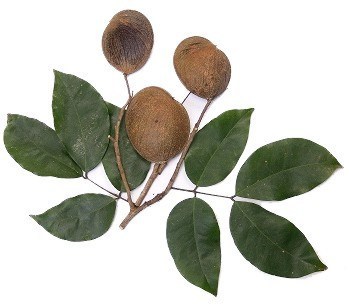
Copaiba essential oil, tapped from the resin of Copaifera trees native to the Amazon rainforest, is prized for its mild, woody aroma and gentle yet powerful benefits. Unlike strong-smelling resins such as frankincense or myrrh, copaiba has a soft, sweet scent that makes it easy to blend with other oils. Traditionally used in South American herbal practices, the resin and oil have long been valued for soothing the body and calming the mind. Diffused, it creates a grounding environment that encourages relaxation and emotional balance.
One of copaiba’s most notable features is its high content of beta-caryophyllene, a compound also found in black pepper, which interacts with the body’s endocannabinoid system. This makes copaiba unique among essential oils, as it can support a sense of calm and help the body respond more naturally to stress. It is often used in massage oils or diluted topical blends to comfort tired muscles and joints. Because of its gentle profile, copaiba is considered a versatile oil that can be used daily for both physical and emotional support.
Did You Know? Copaiba resin has been tapped and used in the Amazon basin since at least the 16th century, when European explorers recorded its use by indigenous peoples. Today, it is sometimes called the “Amazon’s liquid gold” because of its wide range of uses and sustainable harvesting process. Rather than cutting down the tree, harvesters carefully tap the trunk to collect resin, allowing the same tree to provide oil for decades without harm.
Deep in the heart of the Amazon rainforest, towering trees stretched over 100 feet tall, their thick trunks rooted deep in rich, untouched soil. They had stood for centuries, unnoticed by most of the world. But hidden within them was something remarkable—something that would one day change the way people cared for their health and well-being.
For generations, indigenous tribes and local farmers of South America had known the secret of these trees. They carefully tapped the bark, collecting a golden resin that flowed slowly like nature’s own medicine. This thick, aromatic sap was used to cleanse the skin, support oral health, and promote overall wellness. Those who ingested it found it could ease anxious feelings and support the immune, cardiovascular, and digestive systems. Passed down through generations, this knowledge remained within small communities, while the rest of the world remained unaware of its benefits.
As more people looked for natural ways to stay healthy, scientists and wellness experts became interested in this special tree resin. They discovered that it had a unique ingredient called β-caryophyllene (BCP), which could help the body in many ways. BCP connects with CB2 receptors in the body’s endocannabinoid system (ECS), which helps control things like inflammation, the immune system, and overall balance. This meant the resin could help the brain, nerves, liver, and kidneys stay healthy. Scientists also found that this resin had more BCP than any other essential oil, making it one of the most powerful natural wellness tools available.
However, with growing demand came challenges. Some large companies sought to harvest as much of the resin as possible, damaging the trees and ignoring the well-being of the farmers who relied on them. But one company, dōTERRA, took a different approach. Instead of mass production, they focused on sustainability and fair trade, working directly with local harvesters to protect the land and ensure a future for those who had been tending these trees for centuries.
Through dōTERRA’s Co-Impact Sourcing™ initiative, local farmers were trained to tap the trees responsibly, allowing them to continue producing resin for many years. Instead of overharvesting, they carefully collected only what was needed, ensuring that both the environment and the communities that relied on these trees thrived. dōTERRA also invested in education, healthcare, and fair wages for these farmers, helping to improve their quality of life while respecting their traditions and expertise.
One such farmer, whose name may not be widely known but whose impact is undeniable, had spent his entire life harvesting this resin the way his ancestors had before him. For years, he struggled under unfair trade conditions, receiving little pay while foreign companies profited from his hard work. But after partnering with dōTERRA, he and many others finally saw the value of their labor. They received fair wages, proper tools, and training, ensuring that their families could thrive while protecting the delicate balance of the rainforest.
Despite its long history, this oil remained one of nature’s best-kept secrets for centuries. It was widely used in lotions, creams, perfumes, and soaps, and had been an important part of traditional Brazilian health practices. It provided antioxidant support, helped maintain a healthy inflammatory response, and promoted general well-being. Whether applied to the skin for a clear complexion, taken internally for immune support, or diffused for a calming effect, its benefits extended far beyond what early explorers had imagined. This wasn’t just another tree in the rainforest—it was a powerful gift from nature.
The oil hidden in the rainforest? Copaiba. A natural treasure from the towering trees of the Amazon, once known only to indigenous healers and local farmers, now shared with the world through the sustainable efforts of dōTERRA. Thanks to dedicated harvesters, this extraordinary resin is collected responsibly, protecting both the land and the people who depend on it. And now, you know the rest of the story.
Caraway (Carum carvi), a member of the carrot family, has been cultivated for centuries and holds a significant place in both culinary and medicinal traditions. The name caraway is believed to have originated from its early use in Asia and the Mediterranean region. Caraway seeds have historically been used for their digestive benefits and as a natural breath freshener. In biblical times, bread containing caraway seeds was eaten, and there was a superstition that anything containing caraway seeds could not be stolen. This belief made caraway a symbol of protection in European folklore. While these historical uses are well-documented, the scientific basis for caraway preventing theft remains purely anecdotal and rooted in superstition.
Today, caraway seed essential oil is widely used for digestive and oral health benefits. It is often blended with fractionated coconut oil for abdominal massage support, as 2-3 drops may help with occasional stomach discomfort. Caraway seed oil is also used for oral care, with many people adding a drop to their toothbrush or a daily mouth rinse to support fresh breath and dental hygiene. A combination of caraway seed and clove essential oil is sometimes used as a natural cleansing rinse, but while caraway oil has antimicrobial properties, more scientific research is needed to confirm its effectiveness in preventing cavities or gum disease.
Beyond digestion and oral care, caraway seed essential oil is recognized for its calming and relaxing properties. A warm bath infused with one drop of caraway seed essential oil and three drops of lavender essential oil may provide a soothing and aromatic experience. Some studies suggest that caraway seed oil contains antioxidants that may contribute to overall wellness, but further research is needed to determine its full range of health benefits. While many of its traditional applications are well-supported, its effectiveness in areas such as relaxation, stress relief, and long-term antioxidant support requires more clinical validation. Nevertheless, caraway seed essential oil remains a versatile and beneficial addition to natural health and aromatherapy practices.
Ylang ylang essential oil is made from the star-shaped flowers of the tropical ylang ylang tree. It’s mostly used for making perfumes and in aromatherapy. For centuries, ylang ylang has been part of religious rituals and wedding ceremonies.



 Len's Oils