Category Archives: Did You Know

Melaleuca-Did you Know?

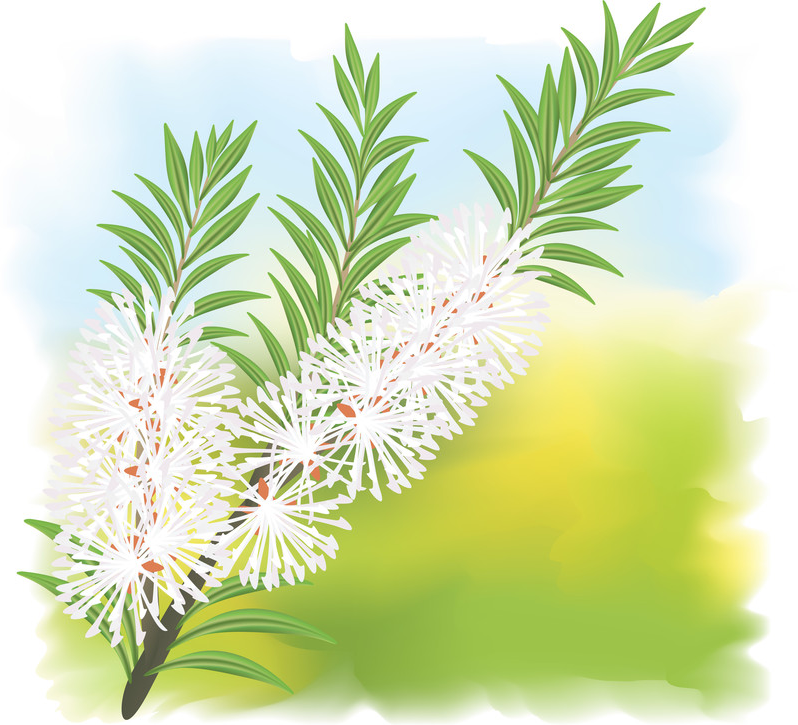
Melaleuca (Tea Tree)Did you know melaleuca essential oil has over 92 different compounds and limitless applications? Melaleuca is the oil of energetic boundaries. A natural disinfectant, Melaleuca clears the baggage from the negative energy. It clearly releases codependent and toxic relationships. Melaleuca encourages people to connect with each other in a positive way.

For many centuries, the native Aborigines of Australia used the therapeutic oil of the Melaleuca trees for a wide range of topical and oral applications. They crushed the leaves to use as rubbing mediums and mixed them with clay to form poultices, and even bathed in the water that had collected under the trees. When the white settlers came, they watched and learned how to use the leaves for their own healing purposes.

It was most unfortunate for people in the west that there was no documented evidence of the use of Melaleuca oil. It was to remain confined to Australia, as a bush remedy, for the next 150 years. In 1922, however, an Australian chemist, Arthur Penfold and his team, distilled the oil from the Melaleuca alternifolia, and subsequently published a paper stating that it had a wide-rang of antibacterial and anti-fungal activity.

During the Second World War Melaleuca oil was in such short supply that all the available supplies of oil were used to help stop infections from the unavoidable war wounds, both in soldiers and munitions workers that were helping with the war effort. Soon it was considered necessary that a cheaper, more readily available, alternative should be manufactured to help stop the spread of germs. The once thriving industry went into a steep decline until recently. Over the past few years it has made a huge come back.

Melaleuca is best known for its purifying properties. It can be used to cleanse and purify the skin, nails, and to promote a clear, healthy complexion. Taken internally, Melaleuca enhances immunity when seasonal threats are high, and Melaleuca can be used on surfaces throughout the home to protect against environmental threats. Melaleuca is frequently used on minor skin irritations to soothe the skin, and help it recover quickly. Diffusing Melaleuca will help purify, and freshen the air.

Melissa-Did You Know?

Melissa Lemon Balm
Did you know Melissa is Greek for “honey bee”? Melissa essential oil is the oil of light. Melissa oil brings to mind truth, and light to the soul. It reminds us of who we are, and why we came to this earth. Melissa invites people to release everything, and anything that holds them back from reaching their greatest potential. When people are feeling weighed down with life’s burdens, Melissa encourages them to keep going.

Melissa also know as Lemon balm has become popular with continued use through the years. So widespread was lemon balm’s reputation for promoting longevity, and dispelling melancholy that by the 17th century, French Carmelite nuns were giving out their Carmelite Water to a faithful following. The lemon-balm infused “miracle water” was thought to improve memory, vision, reduce rheumatic pain, fever, melancholy, and congestion.

In the mid 1500’s to 1700’s when the colonization of the North American continent was occurring, the settlers brought tools, and equipment over with them but more importantly they brought their cherished medical herbal books, and healing plants as well. Lemon balm was one of these herbs of great importance for its many uses. The colonist used lemon balm for cooking, and flavoring, for beverages such as teas and wines, medicine, cosmetic, and house- hold uses such as cleaning, and aromatic uses.

Because of its positive effect on mood, Melissa has long been used to calm tension, and nerves. Diffusing Melissa at night initiates a restful sleep, and promotes emotional, and cognitive health. Melissa helps boost immunity and is especially beneficial when seasonal threats are high. Melissa can also soothe stomach discomfort and help with nausea and indigestion. As one of our rarest and most expensive oils, Melissa has a wide range of health benefits and uses.

Marjoram-Did You Know?

Marjoram

Did you know Marjoram essential oil is the oil of Connection? Marjoram assists people who are unable to trust others or form a serious relationship. Being unable to trust often originates from unpleasant life experiences. Marjoram teaches that trust is the foundation for all human relationships.

Marjoram is surrounded by mythology. People thought marjoram was created by the greek goddess Venus who gifted it with its pleasant sweet flavor and aroma. This is one of the most desired sought after herbs by Aphrodite. People believed that when an unmarried girl kept a marjoram plant in her bed she would see Aphrodite in her dreams, who would then reveal to her, a prospective husband.

By the middle ages, marjoram was worn by couples as garlands to represent love, warm respect, and contentment. It was also added in the food to encourage devotion. Due to its sweet aroma, it was frequently used as deodorant and carried in bouquets and sweet bags. People of England used marjoram as a preservative.

Marjoram was known to the Greeks and Romans as a symbol of happiness. Marjoram has been used in culinary dishes, imparting a unique flavor to soups, stews, dressings, and sauces. In Germany, Marjoram is known as the “Goose Herb” for its traditional use in roasting geese.

In traditional Austrian medicine, Marjoram was used to promote gastrointestinal health and to purify the skin. In modern applications, Marjoram is valued for its calming properties, and for its positive effect on the nervous system. It also soothes tired, stressed muscles, and supports both healthy cardiovascular, and respiratory systems.

Hawaiian Sandalwood-Did You Know?

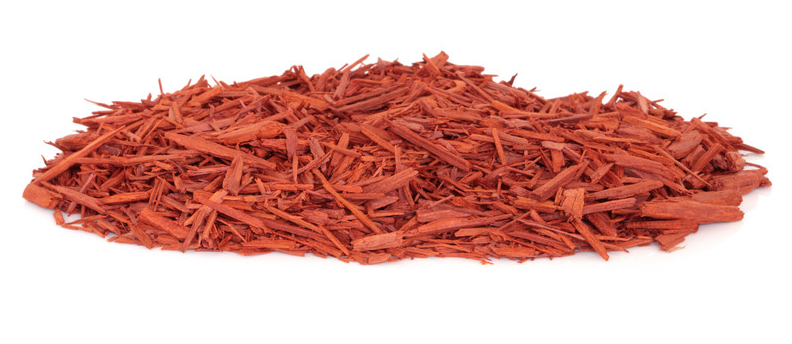
SandalwoodDid you know of the two dozen or so species of Santalum that are known, the Hawaiian islands are home to four of them? it takes over 50 years for a sandalwood tree to mature enough to get a high quality essential oil. After the arrival of Europeans to the islands, they became aware that sandalwood occurred quite widely on the Hawaiian Islands. They were also aware that the demand for sandalwood from southern Asia did not satisfy the market.

200 years ago Sandalwood was the number one trade from the Hawaiian islands. Their trees were among the most prized in all the world and were in great demand. The Hawaiian king, King Kamehameha, sent seven ships to China bearing Sandalwood. (It has been estimated that about 6,000 trees had to be harvested to fill a ship). The Chinese were offended by this, and wanted to come collect the Sandalwood themselves.

Later the ships returned to Hawaii. When the Chinese arrived in Hawaii to collect the Sandalwood, King Kamehameha was likewise highly offended at their actions and set fire to the seven ships bearing all the Sandalwood. Not only that, but he ordered the Sandalwood forests to be cut down and burned, and the ground was seeded with thick grass that prevented the Sandalwood from returning. Since then, Sandalwood from Hawaii basically ceased to exist, until now.

Hawaiian sandalwood essential oil delivers a variety of benefits, including smoothing skin and enhancing moods. With thousands of years of documented use, this oil has a high value to many users. Hawaiian Sandalwood has a rich, sweet, woody aroma that instills calmness and well-being, making it a perfect oil to incorporate into massage or aromatherapy.

Sandalwood is very soothing and nourishing to the skin, making it highly sought after in body and skin care products. Hawaiian Sandalwood can reduce the appearance of scars, blemishes, and stretch marks while providing an overall youthful-looking complexion. In addition to being soothing and nourishing to the skin, Hawaiian Sandalwood provides these same effects to the mind, helping to reduce stress and tension and promote emotional well-being.

Fennel-Did You Know?

Fennel
Did you know fennel essential oil is the oil of responsibility? Fennel supports the person who has a lack of self esteem. This person may feel overwhelmed with life and all the things they are accountable for, having little to zero desire to improve their situation. Fennel is especially important by supporting people to listen and reconnect to the natural messages of the body, where there has been a loss of connection due to emotional eating, severe dieting and even drug abuse.

Fennel can grow up to six feet in height and has delicate, feathery leaves. Most fennel originated in India, Egypt and China. It also dates back to Pliny the Roman author of Naturalis Historie written between 23-79 AD. He used fennel for 22 different ailments. Roman warriors were said to have consumed Fennel to make them strong and ready for battle.

We know King Edward I of England consumed large amounts of fennel because his account book listed a purchase of 8½ pounds. This seed was a one month supply. In the 1300s fennel was used as a condiment and an appetite suppressant. During medieval times, people thought evil spirits could freely move around as the sun moved south. It was thought when fennel was hung over doorways you were protected from the spirits. Fennel seeds inserted into keyholes were thought to protect homes from ghosts especially in the summer.

Fennel is best known for its distinct licorice aroma and taste, yet its ability to ease digestive troubles, and monthly menstrual cycles are equally noteworthy. Fennel can be added to tea to calm the digestive system, as well as the mind and emotions. Fennel can be very soothing when applied to the abdomen during monthly menstrual cycles, and those same properties can lessen the discomfort associated with minor skin irritations. Fennel is also known to support a healthy lymphatic system.

Clove-Did You Know?

clovesDid you know the word clove comes from the French word clov, meaning nail? Clove essential oil is the oil of boundaries helping people to let go of their victim mentality. Clove can assist us in letting go of regular displays of self-betrayal and emotional reliance on a partner by reconnecting them with their personal strong moral values. Clove gives the pushover the power to say “no”.

Each unopened flower bud of the clove tree becomes a clove bud, a tropical evergreen member of the Myrtle family. A clove tree, known botanically as Eugenia aromatica, may live 100 years. They begin producing fruit at seven years and come into full maturity around 25 years. The average crop yield is eight pounds although each year is different. The trees are native to the Moluccas, also known as the Spice Islands.

As early as 200 BC, the Chinese used cloves to freshen their breath during audiences with the emperor. During the late Middle Ages, cloves were used in Europe to preserve, flavor, and garnish food. Clove cultivation was almost entirely confined to Indonesia, because the Dutch government had a monopoly on this valuable spice. Later In the 18th century, the French smuggled cloves from the East Indies to Indian Ocean islands and the New World, breaking the Dutch monopoly on this prized spice.

Clove has been used for years in dental preparations,candy, and gum for its flavor and ability to promote oral health, yet it provides a myriad of health benefits. Its main chemical component, eugenol, makes it a very stimulating and energizing essential oil that can promote blood circulation and benefit cardiovascular health.Due to its high phenol content, caution should be taken when inhaling Clove directly and it should be diluted when applied to the skin. As a cooking spice, Clove adds a spicy flavor to any dish or dessert while providing internal health benefits.

Cinnamon-Did You Know?

Cinnamon Bark
Did you know Cinnamon is the oil of sexual harmony and greatly supports the reproductive system and aids with sexual issues? It helps people to embrace their body, and accepting their physical attractiveness. Cinnamon encourages the growth of strong relationships based on mutual love, and respect.

Cinnamon, which is actually the dried bark of the laurel tree a large tropical evergreen tree can grow up to 45 feet tall. Cinnamon has been used for thousands of years. This powerful spice was used in Egypt, Rome, and China. Cinnamon is native to Sri Lanka. The “real” cinnamon of old comes from the Cinnamomum zeylanicum tree.

Historically, cinnamon is even mentioned in the Bible. Moses used it as an ingredient for his anointing oils. In ancient Rome, it was burned during funerals, as a way to remove some of the odor of dead bodies. The ancient Egyptians used it in embalming mummies because of its pleasant odors and its preservative qualities.

Extracted from bark, cinnamon oil contains strong cleansing and immune enhancing properties. Due to its high content of cinnamaldehyde, Cinnamon should be diluted with Fractionated Coconut Oil when applied to the skin and only one to two drops are needed for internal benefits.

Cinnamon is very purifying to the circulatory system and it helps promote circulation, both internally and when applied to the skin, helping to ease sore muscles and joints. Cinnamon helps maintain a healthy immune system, especially when seasonal threats are high. When diffused, Cinnamon promotes clear breathing while purifying the air. Cinnamon is frequently used in mouth rinses and gums for its oral health benefits. Cinnamon has a long history of culinary uses, adding spice to desserts, entrees, and hot drinks.

Cedarwood-Did You Know?

Cedarwood
Did you know cedarwood is the oil of community bringing people together who struggle to form bonds within social groups? Cedarwood supports people in seeing that they are not alone. It invites people to both give and receive and experience the joy of relationships.

Cedarwood Juniperus Virginiana is an important ornamental and timber tree of eastern North America whose fragrant wood is made into cabinets, fence posts, and pencils. Juniperus Virginiana is a dense slow-growing coniferous evergreen tree that may never become more than a bush on poor soil, but can grow up to 100 ft tall, The oldest tree reported, from Missouri, was 795 years old.

Cedarwood is used by Native American Indians to treat respiratory infections, rheumatism, arthritis, skin rashes, kidney infections and used as an insect repellent. Known for its rich hue and warm, woody scent, Cedarwood essential oil provides a myriad of health benefits that date back to biblical times.

Cedarwood is native to cold climates, thriving in high altitudes. Reminiscent of its size and strength, Cedarwood has a grounding aroma that evokes feelings of wellness and vitality. Additionally, Cedarwood is frequently used in massage therapy to relax and soothe the mind and body.

Myrrh-Did You Know?

MyrrhDid you know Myrrh essential oil is the oil of mother earth? This oil nurtures the soul’s relationship with it’s maternal mother and with the earth. This oil also supports people who have a breakdown of their peaceful connection with the mother-child bond. When this bond has been broken apart, the soul may loose its childlike ability to trust.

Myrrh is nature’s miracle herb. It was one of the three gifts given to Jesus by wise men at His birth. Referenced in the Bible as the Balm of Gilead, Myrrh has been used throughout history as a perfume, incense, and medicine. It was also employed in embalming and religious ceremonies. The name Myrrh is derived from the Arab word ‘morr’ which means ‘bitter’.

Myrrh, botanically, is an aromatic gum resin, an oleoresin to be specific. Oleoresin happens to be a natural blend of a resin and an essential oil. It is obtained from thorny trees of the ‘Commiphora’ genus when a wound in the tree trunk causes it to secrete a resin. The resin has a waxy texture and once harvested, it becomes glossy and hard. The trees are native to regions of Somalia and Ethiopia.

Ancient records show that Myrrh was deemed so valuable that at times it was valued at its weight in gold. Myrrh essential oil is derived from the gummy resin of the small, thorny Myrrh tree and has been used for centuries for its internal and external health benefits. Myrrh has powerful cleansing properties, especially for the mouth and throat. It is also soothing to the skin—promoting a smooth, youthful looking complexion—and promotes emotional balance and well-being.