Category Archives: Better Living

Essential Oils in the Bible

Isaiah 41:19 is a beautiful verse where God promises to transform the wilderness into a flourishing land by planting various trees, including cedar, acacia (shittah tree), myrtle, the oil tree (possibly the olive tree), fir, pine, and box tree. This passage is part of a larger prophecy where God reassures His people that He will provide, restore, and renew even the most barren and lifeless places. In a spiritual sense, this symbolizes God’s ability to bring life, hope, and abundance to those who feel lost or dry in their faith. Just as trees provide shade, shelter, and resources, God provides strength, guidance, and blessings to His people.

This verse also has a strong connection to essential oils, as many of the trees mentioned produce valuable oils used for healing, anointing, and purification. For example, cedarwood oil was used in biblical times for purification and protecting against disease, while myrtle oil was known for its uplifting and cleansing properties. The oil tree likely refers to the olive tree, which produced olive oil—a sacred and essential substance in biblical times, used for anointing, cooking, and healing. These trees not only represent physical blessings but also symbolize spiritual nourishment and restoration that God provides.

For us today, Isaiah 41:19 reminds us that God is capable of bringing life and renewal even in the driest and most desolate places—whether in the land, in our lives, or in our hearts. Just as the trees in this verse provide essential oils and resources for healing, God’s presence in our lives brings spiritual healing, strength, and restoration. This verse is a promise that God can turn struggles into blessings, weakness into strength, and emptiness into abundance when we trust in Him.

A Journey to Reading

When I was a small child, I struggled immensely with my ability to read. I was born with a lazy eye and astigmatism, which meant that for the first four years of my life, I wandered around half-blind. When I finally got glasses, it felt like a whole new world opened up to me. However, while I could now see clearly, I was developmentally behind my peers in many ways, including reading.

In first and second grade, I found myself at the bottom of my class in nearly every subject. Determined to improve, I worked hard to catch up. One year, my efforts paid off when I received an award for reading 1,000 books aloud to my mom and my two oldest siblings, Ramona and Sherry. It was a big accomplishment, especially since the next closest person had read only 400 books. I later learned that my mom secretly wanted to show the other moms how much effort she had put into helping me succeed. Her support made all the difference.

I was fortunate to have many caring and dedicated teachers who helped me along the way. One teacher introduced me to a special reading machine that became both a tool for learning and a source of mischief. The machine worked by sliding a card through it, which triggered a strip of recordable tape to say the word written on the card. It was fascinating to me. But I soon discovered that I could erase the correct word and record the wrong word in its place. While my teacher was not amused by my newfound “skill,” I secretly enjoyed being a little mischievous. That experience, though naughty, also reflected my natural curiosity and desire to learn in my own way.

It’s interesting to reflect on how far I’ve come since those early struggles with reading. Despite my challenges, I eventually overcame them and developed a passion for writing and sharing knowledge. Today, I channel that passion into teaching others about essential oils, something I deeply enjoy. I find it especially fulfilling to share oils that can help children improve their ability to focus—a challenge I faced as a child and continue to manage as an adult.

I feel truly blessed to have discovered an essential oil focus blend that has significantly improved my ability to concentrate. It’s remarkable to think about how my journey has come full circle—from a little girl struggling to read to someone who writes, teaches, and shares tools that can help others. My past struggles have shaped me, and I’m grateful for the lessons they’ve taught me about perseverance, curiosity, and finding joy in the process of learning.

How to Use Essential Oils: Under the Tongue

Using essential oils under the tongue is known as the sublingual route, which allows the oil to enter the bloodstream quickly through the tissues beneath the tongue. This method bypasses the digestive system, enabling faster absorption and more immediate effects. Essential oils taken this way can support various health benefits, including relaxation, immune support, and respiratory relief. However, it is crucial to use only high-quality, food-grade essential oils that are safe for internal use.

When applying essential oils under the tongue, tilt your head back slightly and carefully drip the oil without letting the dropper touch your lips. This prevents contamination and ensures a clean application. Allow the oil to absorb naturally without swallowing or drinking water immediately after, as this helps maximize its effectiveness. Some essential oils, such as peppermint or cinnamon, may feel intense, so dilution with a carrier oil like fractionated coconut oil may be necessary for a more comfortable experience.

Beyond immediate absorption, sublingual use of essential oils may enhance overall wellness by supporting the nervous and immune systems. Lavender (Lavandula angustifolia) is commonly used under the tongue for its calming effects and potential respiratory benefits. It may help soothe occasional throat irritation and promote relaxation. Incorporating this method into a wellness routine can provide fast-acting relief for stress, respiratory concerns, and overall balance.

How to Use Essential Oils: Spine

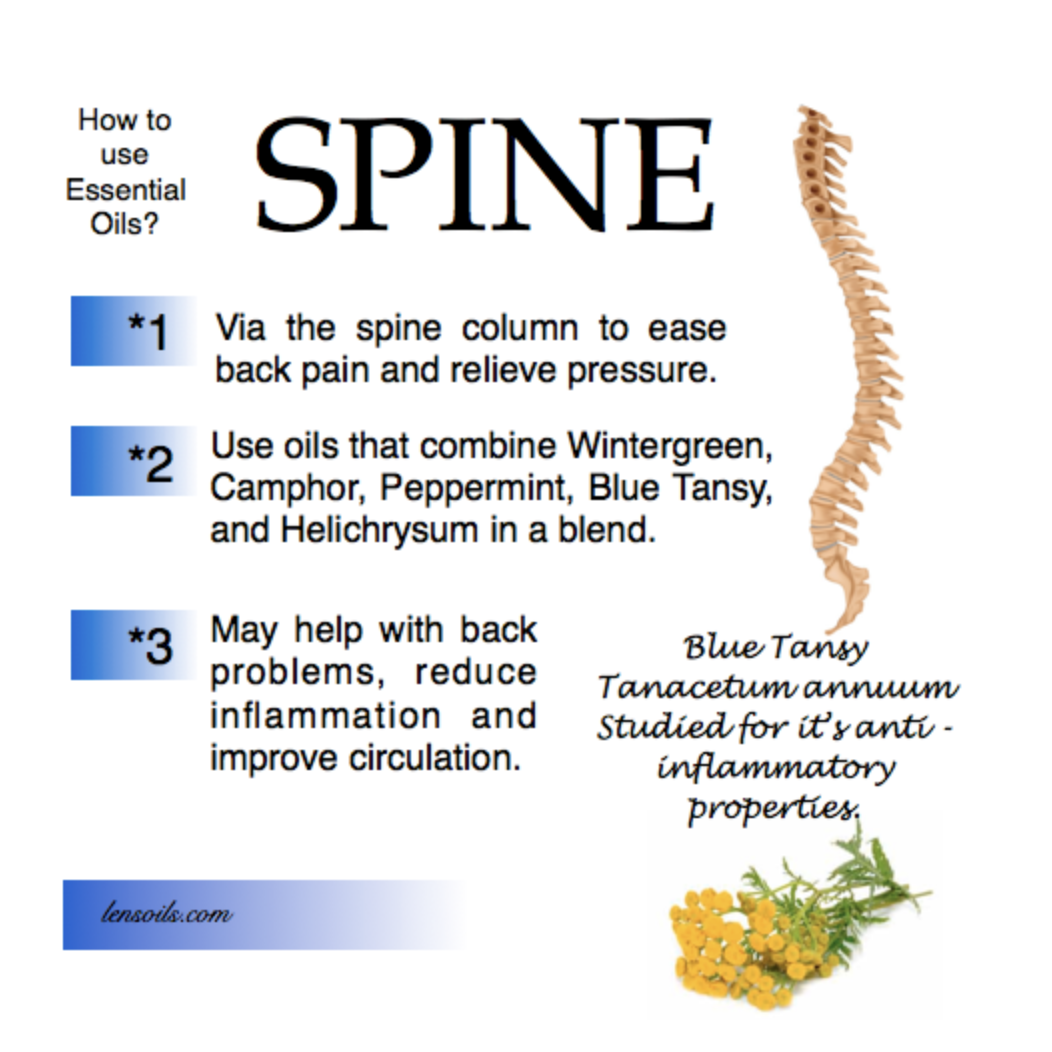
Essential oils can be applied along the spine to help ease back pain and relieve pressure. When massaged into the spinal column, the oils are absorbed into the skin and work to soothe discomfort by targeting muscles and nerves. This method allows the essential oils to penetrate deeply, offering potential relief for tension, stiffness, and inflammation. Many people use this technique as part of a daily routine to support spinal health and overall well-being.

For optimal results, essential oils with soothing and anti-inflammatory properties should be used. Blends that include Wintergreen, Camphor, Peppermint, Blue Tansy, and Helichrysum are particularly effective. These oils work together to relax muscles, reduce swelling, and promote better circulation. Applying them with a carrier oil and massaging them along the spine can provide lasting benefits. This method is commonly used for back problems, soreness after physical activity, or general spinal support.

In addition to its soothing effects, applying essential oils along the spine may contribute to nervous system regulation. The spine houses the spinal cord, which transmits messages between the brain and the body. Essential oils can interact with nerve endings, potentially enhancing relaxation and reducing stress. Blue Tansy (Tanacetum annuum), in particular, has been studied for its anti-inflammatory properties, making it a valuable ingredient in spinal care blends. Incorporating essential oils into a massage routine may support both physical and emotional well-being.

How to Use Essential Oils: Smell

Essential oils can be used through inhalation, which is the fastest route for them to enter the body. When inhaled, the oil’s molecules travel through the olfactory nerves in the nose directly to the brain. This process allows the brain to quickly send signals via the nervous system to areas experiencing pain, stress, or anxiety. Aromatherapy is widely used for emotional and physical well-being because of this direct connection between scent and neurological response.

There are several ways to use essential oils through smell. A diffuser is one of the most effective methods, dispersing tiny oil particles into the air for continuous inhalation. Another method is to inhale directly from the bottle or cap, which provides a quick and concentrated dose of aroma. Additionally, placing a few drops in the palms of your hands, rubbing them together, and cupping them over your nose allows for a personal and immersive experience. This method is particularly useful for on-the-go relief from stress, fatigue, or congestion.

Lemon essential oil (Citrus limon) is a popular choice for aromatherapy due to its uplifting and refreshing scent. It is commonly used to boost mood, improve focus, and cleanse the air. However, caution should be taken when using lemon oil topically, as it can cause extreme skin irritation and increases sensitivity to sunlight. If applied to the skin, it is recommended to avoid direct sunlight for up to 12 hours to prevent burns or irritation. Despite this, lemon oil remains a versatile and beneficial essential oil for both aromatic and topical applications.

From Mistakes to Mastery

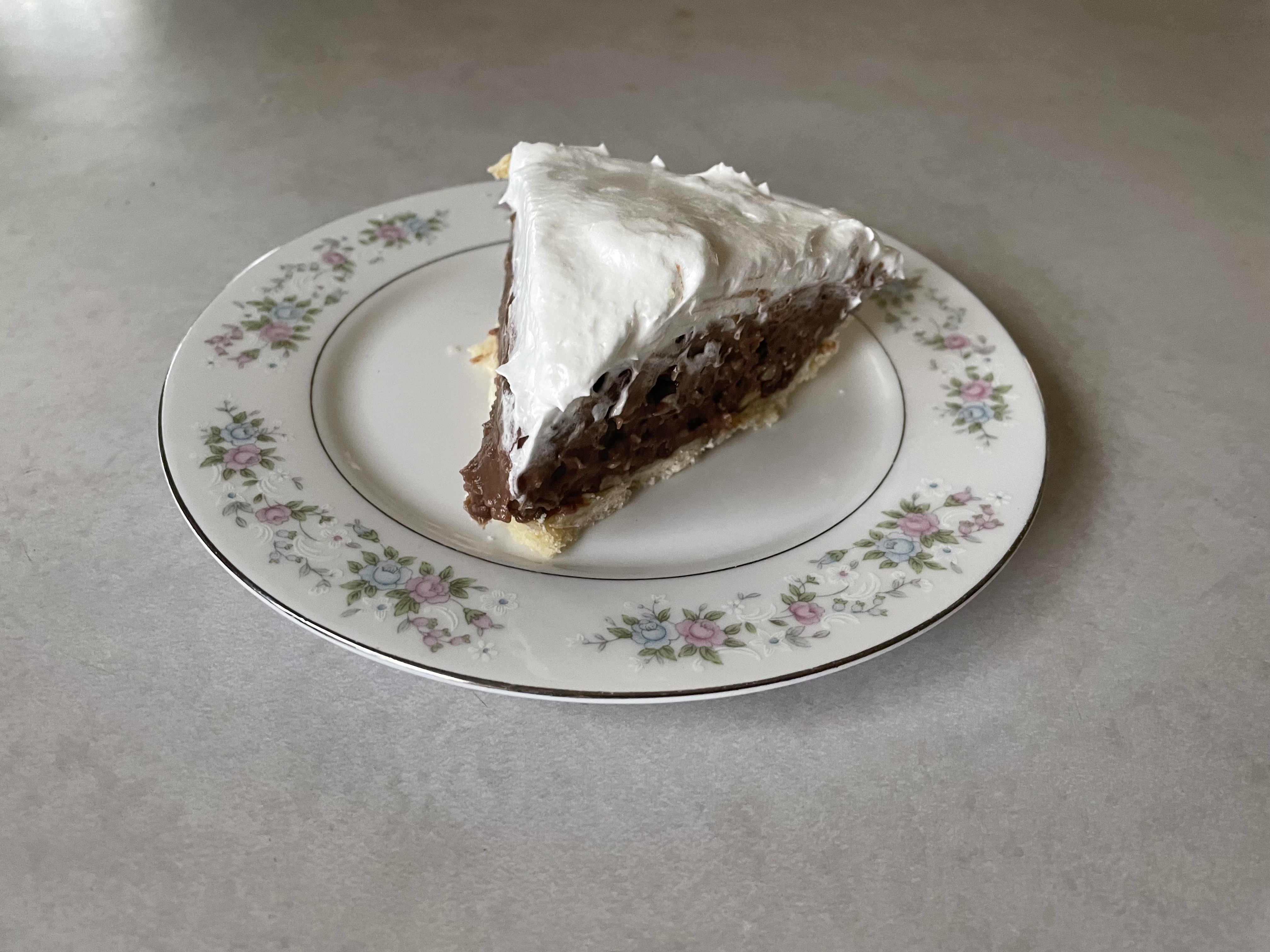
When I was eleven, I decided I wanted to make a homemade chocolate cream pie all by myself. My mom handed me the recipe and said, “I’ll be in my bedroom if you need me.” She later admitted that she would have gone crazy watching me cook since I was just learning. I followed the recipe—or so I thought. It called for three tablespoons of cornstarch, but instead, I added three tablespoons of baking soda. When the instructions said to “bring to a boil,” I couldn’t understand why the pie filling foamed wildly over the top of the pan. Frustrated and confused, I called my mom into the kitchen for help.

The moment she entered the kitchen, she quickly grabbed a second pan and began pouring part of the pie filling into it to manage the overflow. But the filling kept growing. The kitchen was in chaos. That’s when my mom started questioning what ingredients I had added. She carefully went down the list on the recipe card with me. When we reached the cornstarch, I proudly pointed to the baking soda container and said, “I added cornstarch!” My mom gave me a look of disbelief and calmly explained that I had added the wrong ingredient. “This pie filling is no good,” she said. “When you thought you were adding cornstarch, you were adding baking soda.” That was when I learned an important lesson: You can do everything else just right, but one wrong move can still turn everything into a big disaster.

Years later, when I was eighteen, I had the opportunity to work at two different places that made pies. These jobs gave me hands-on experience and introduced me to new techniques. I learned how to perfect pie crusts, balance flavors, and create smooth fillings. One Thanksgiving season, I spent 18 hours in a single Saturday making pies at Marie Callender’s. It was exhausting but rewarding, and I came to truly appreciate the art of pie-making. I am incredibly thankful for the training I received during that time, as it helped shape my confidence and skills in the kitchen.

Over the years, I’ve found myself teaching women’s groups how to create the perfect pie crust and fillings that are both delicious and memorable. What started as a childhood failure became the stepping stone to my current success in baking. My early mistakes in the kitchen were frustrating at the time, but they ultimately paved the way for me to excel. I now find great joy in sharing what I’ve learned with others, proving that even the worst disasters can lead to something worthwhile.

I’ve discovered that asking questions and admitting what you don’t know are key to learning and growth. Acting like you know it all only holds you back. I’m constantly finding new ways to improve, whether it’s perfecting a pie or addressing other challenges in life. Learning what works—and what doesn’t—has become one of my greatest joys.

Interestingly, I’ve found that my experiences with cooking parallel my journey with essential oils. Just as I made countless mistakes when I was learning to cook, I initially struggled to understand how to use essential oils. Now, I rely on my essential oil guidebook to determine which oils are best for various conditions. Like baking, using essential oils involves trial and error. But with every mistake, I gain more knowledge and confidence.

In both cooking and life, every failure teaches an important lesson. Mistakes may seem discouraging in the moment, but they are often stepping stones to greater success. Whether it’s in the kitchen, with essential oils, or any other area, I’ve learned that patience and persistence are the ingredients for growth—and that the best recipes often come from learning what not to do.


I Want You

I want You
Nine years ago, I was introduced to something that has transformed my life: essential oils.

Yes I was a big skeptic about them at first, but I now use essential oils on a daily basis in every area of my home, and they have completely changed my life! My medicine cabinet has been completely transformed, and I am now empowered with the tools and knowledge to care for my family.

When I realized I could get free products AND create residual income? I got really excited!

As a result, of my essential oil journey, and passion helping others, I’m ready to help you get started with your essential oil journey as well.

The best part about essential oils is that there is an option for everyone, whether you want to simply enjoy the products for yourself and transform your family’s health (and get free stuff in the process) OR you’re ready to build a team, create residual income, and get out of debt.

If any of these options sound appealing to you, let’s chat!

I’ll help you figure out which option will be the best fit for you, plus you can qualify for some awesome incentives in the process.

I can’t wait to talk to you!

I love sharing essential oils

Please text Free Sample or call me at 801-661-4786
I will be sure to get back to you as soon as possible.
Or
Send me an email at lfish64@yahoo.com
with the heading Free Sample
It will be an honor to help you in any way that I can.
Or
Write a letter requesting a Free Sample to
Leonard Fish
Leonard Fish
5075 Rushton Acres Court
West Valley City, Utah 84120

Sincerely,

Leonard Fish Signature


How to Use Essential Oils: Quick Tips

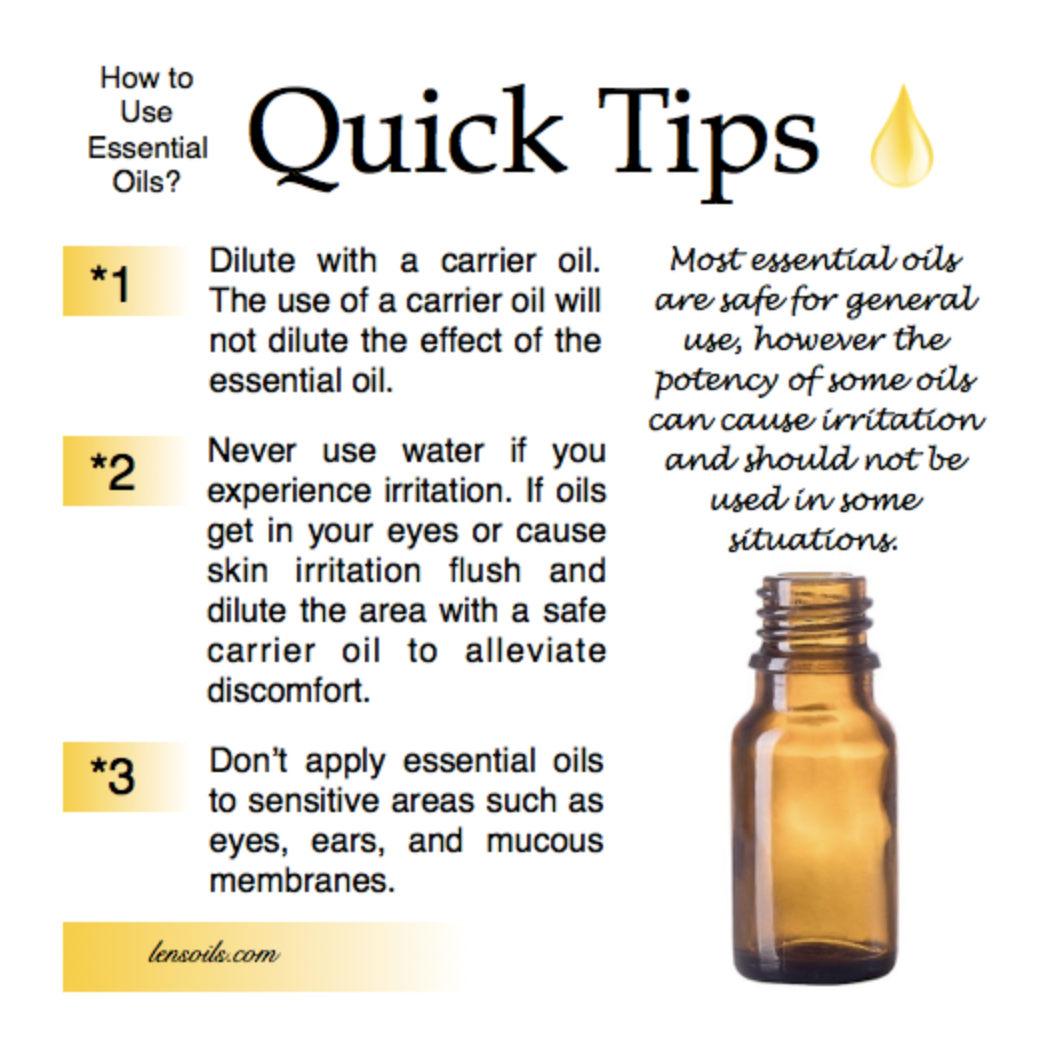
Essential oils are highly concentrated and should be used with care. Always dilute essential oils with a carrier oil, such as coconut, almond, or jojoba oil, before applying them to the skin. This helps prevent irritation without reducing the effectiveness of the oil. While most essential oils are safe for general use, some, like cinnamon or oregano, are particularly potent and may cause skin sensitivity. To test for any adverse reactions, perform a patch test by applying a small amount of diluted oil to a small area of skin and waiting 24 hours.

If essential oils come into contact with your eyes or cause skin irritation, do not rinse with water, as this can spread the oil and worsen irritation. Instead, flush the area with a carrier oil to help dilute and soothe the affected skin. Additionally, avoid applying essential oils directly to sensitive areas such as the eyes, ears, and mucous membranes. When diffusing essential oils, ensure proper ventilation and use recommended amounts to prevent overpowering scents or respiratory discomfort. Always research the safety guidelines for each essential oil, especially if using them around children, pets, or individuals with allergies.

How to Use Essential Oils: Feet

The feet provide one of the safest and most effective ways to absorb essential oils into the body. The large pores on the soles allow oils to be quickly absorbed and distributed throughout the system, making foot application both fast and convenient. Many reflexologists believe that the bottoms of the feet contain reflex points that correspond to different organs, meaning essential oils applied to specific areas may offer targeted support. Simply rub 1-3 drops of essential oil onto the soles of the feet, then rub them together to evenly distribute the oil. This method is particularly useful before bed, as oils like lavender or cedarwood can help promote relaxation and restful sleep.

Because the skin on the feet is thicker than other areas of the body, it’s generally safe for most essential oils, but some, like oregano oil, should be diluted due to their potency. Mixing oregano, tea tree, or eucalyptus essential oil with fractionated coconut oil can be beneficial for foot health, helping to cleanse and support the skin. Essential oils applied to the feet can also provide warmth and circulation support—peppermint or ginger oil, for example, can create a warming or cooling sensation, depending on personal needs. Whether for relaxation, immune support, or overall wellness, applying essential oils to the feet is a simple yet powerful way to experience their benefits.

How to Use Essential Oils: Water

Essential oils can be used in water to support digestion, hydration, and overall well-being. When added to drinking water, essential oils such as lemon, peppermint, or ginger may aid the digestive system by soothing occasional stomach discomfort and supporting nutrient absorption. A drop of peppermint oil in a glass of water can provide a cooling effect on hot days, helping to refresh and energize the body. Additionally, some essential oils, like tea tree or clove, may offer soothing relief when gargled in water, making them a natural option for addressing minor throat irritation.

When using essential oils in water, it’s important to follow safety guidelines to maximize benefits. Always use glass or ceramic containers, as essential oils can degrade plastic and Styrofoam, potentially leaching harmful chemicals into the liquid. Since essential oils are highly concentrated, only a drop or two is needed per glass of water, and they should always be thoroughly mixed before drinking. For a more enjoyable experience, citrus oils like wild orange or grapefruit can be added to enhance the flavor while also providing their cleansing and invigorating properties.