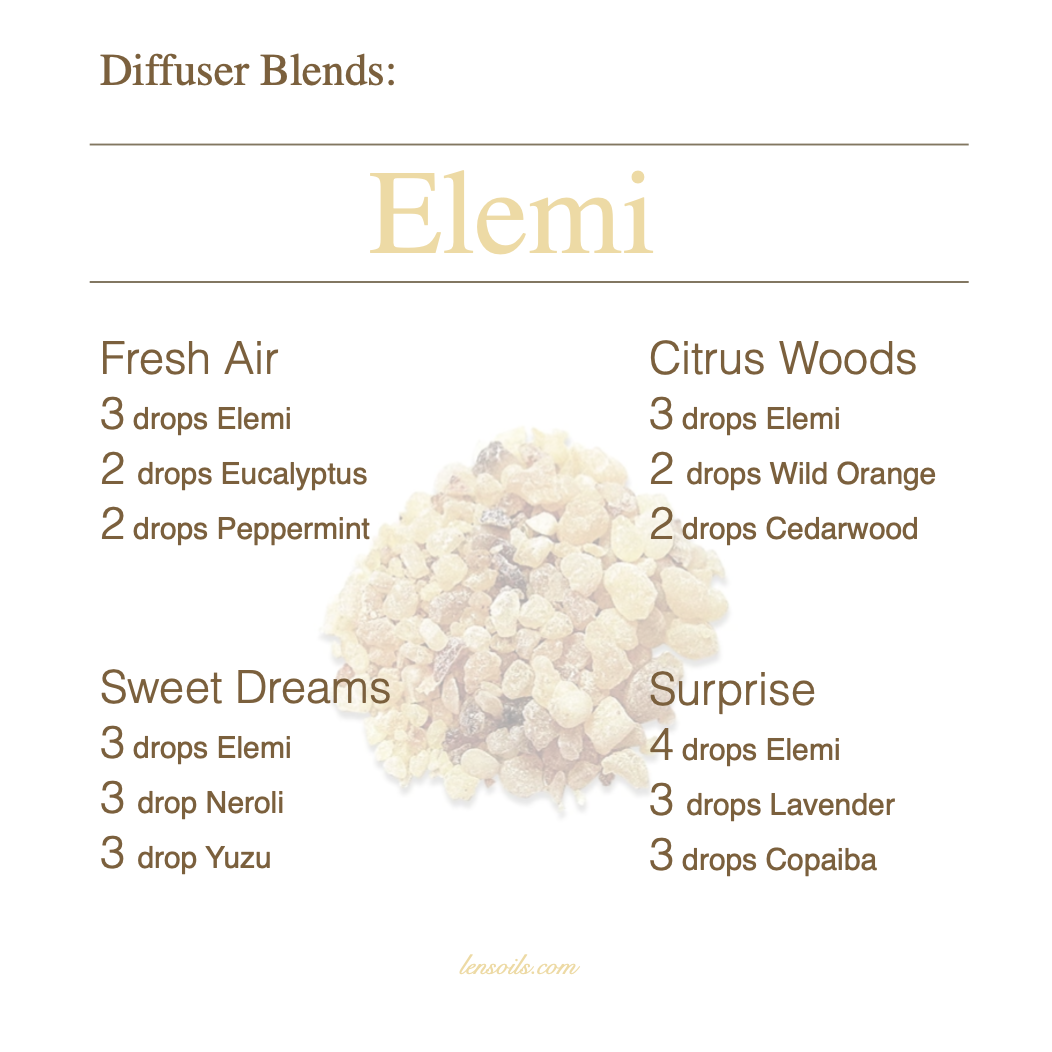
Elemi essential oil, with its fresh, citrusy, and slightly spicy aroma, is a hidden gem for creating versatile and uplifting diffuser blends. Its bright and resinous scent pairs beautifully with citrus oils like Lemon, Bergamot, and Sweet Orange for a cheerful and energizing atmosphere. Elemi also blends harmoniously with woodsy oils like Cedarwood, Sandalwood, and Frankincense, adding depth and warmth for a grounding effect. For a soothing and calming experience, pair Elemi with floral oils such as Lavender, Geranium, or Ylang Ylang. It works well with spicy oils like Ginger or Clove to create a cozy and invigorating blend, while its resinous quality complements herbal oils like Rosemary or Tea Tree for a fresh and cleansing scent. Whether you’re looking for balance, clarity, or an uplifting mood, Elemi’s versatility and unique aroma make it a standout choice for diffuser recipes.
Don’t cry because you don’t have essential oils—your sinuses can’t handle that kind of drama. Smile, because a little lavender is just one click away online! 🌿😌
Shirley Price’s name is synonymous with the rise of aromatherapy as a respected and widely practiced art. Born and raised in the United Kingdom, Shirley’s childhood was steeped in curiosity and a love for the natural world. Growing up in a modest yet nurturing household, she was encouraged by her family to explore science, creativity, and holistic living. This early foundation would serve as the blueprint for her life’s work. With a passion for helping others and a fascination with the healing properties of plants, Shirley embarked on a journey that would position her as a pioneer in the field of aromatherapy.
Shirley’s first encounter with essential oils was transformative. At a time when aromatherapy was far from mainstream, she became captivated by the potential of oils like lavender and tea tree to promote physical and emotional well-being. Her early experiments with these natural extracts fueled her passion for learning, and she immersed herself in studying their properties. For Shirley, essential oils represented a bridge between traditional medicine and natural remedies, a connection that inspired her to delve deeper into this emerging field.
In the 1970s, Shirley Price turned her passion into a profession with the founding of Shirley Price Aromatherapy. Focused on producing high-quality essential oils, her company became a beacon of integrity and innovation. Shirley was meticulous in sourcing her oils, ensuring they were pure, ethically produced, and effective. As one of the first advocates for the therapeutic use of essential oils in the UK, her business set the gold standard for quality in the industry.
Central to Shirley’s work was her deep understanding of essential oils and their benefits. She championed oils like eucalyptus for respiratory health, chamomile for relaxation, and peppermint for energy and mental clarity. Shirley’s research and personal experience demonstrated the versatility of essential oils in enhancing well-being. She didn’t just sell oils—she educated her customers, teaching them how to use these natural remedies safely and effectively.
Believing that knowledge was the cornerstone of progress, Shirley devoted herself to educating others about aromatherapy. She authored several books, including the seminal Practical Aromatherapy, which became a must-read for those entering the field. Her writing demystified essential oils, blending scientific research with practical advice to make aromatherapy accessible to a wider audience. Shirley also worked with healthcare professionals, advocating for essential oils to complement conventional treatments.
Under Shirley’s visionary leadership, her business grew from a small operation into an international enterprise. Her efforts to legitimize aromatherapy as a complementary medicine included collaborations with scientists, therapists, and industry professionals. By building a body of evidence supporting the benefits of essential oils, Shirley played a critical role in the global acceptance of aromatherapy as both an art and a science.
One of Shirley’s lasting contributions was her commitment to quality. She insisted on rigorous testing and ethical sourcing for every product that bore her name. This dedication to excellence earned her the trust of clients worldwide and established standards that are still followed in the industry today. Her brand became synonymous with purity and reliability, elevating aromatherapy to a level of credibility it hadn’t previously achieved.
Shirley’s approach to health went beyond essential oils. She embraced a holistic philosophy, advocating for the integration of aromatherapy with other natural therapies, such as massage, reflexology, and meditation. Her vision emphasized the interconnectedness of physical, emotional, and spiritual health, inspiring many to adopt a more balanced and mindful lifestyle.
As her influence grew, Shirley took steps to ensure her work would endure. She established the Shirley Price International College of Aromatherapy, training a new generation of therapists to carry her vision forward. The college became a hub for education and innovation, equipping students with the tools to use essential oils effectively and ethically. Shirley’s legacy lives on through the countless lives she touched, both directly and indirectly.
Shirley Price’s contributions to aromatherapy have left an indelible mark. From a small UK business to a global movement, her passion and dedication turned a niche practice into a respected industry. Today, her name continues to inspire trust, innovation, and excellence in the world of aromatherapy. Through her work, Shirley proved that nature truly holds the key to healing, and her vision continues to guide those who seek to harness its power.
Song of Solomon 3:6 is a vivid and poetic verse describing a grand and majestic arrival, likely referring to King Solomon or a royal bride coming in a splendid procession. The imagery of pillars of smoke and the rich perfume of myrrh and frankincense creates a scene of beauty, luxury, and importance. In biblical times, smoke rising from burning incensewas associated with worship, purification, and divine presence, while perfumes and spices were symbols of wealth, honor, and preparation for sacred moments. This verse paints a picture of someone emerging from the wilderness in glory, transformed and ready for a royal or spiritual union.
The mention of myrrh and frankincense connects deeply to essential oils and natural resins that were highly prized in ancient Israel. Myrrh, a resin with a deep, rich scent, was used for anointing, healing, and embalming, often symbolizing sacrifice and devotion. Frankincense, known for its uplifting aroma, was used in temple worship and prayers, representing purification and connection with God. These oils were some of the most valuable traded commodities, associated with kingship, holiness, and sacred moments. The phrase “all powders of the merchant”suggests an abundance of rare and exotic spices, reinforcing the image of splendor, preparation, and divine blessing.
For us today, Song of Solomon 3:6 reminds us of the beauty of spiritual preparation. Just as the procession was perfumed and adorned, we are called to prepare our hearts and lives for our relationship with God. The use of essential oils in this verse symbolizes purification, worship, and devotion, teaching us to bring our best—our love, faith, and obedience—before the Lord. This passage also reflects the idea of transformation, where one emerges from the wilderness refined, prepared, and ready for something greater. It is a powerful reminder that our spiritual journey is one of beauty, fragrance, and purpose in God’s presence.
In the bustling markets of ancient China, healers and herbalists sought remedies for ailments both great and small. They turned to roots, leaves, and seeds, blending them into tonics and teas. Among these was a particular seed, small but powerful, valued for its ability to ease digestion and bring balance to the body. By the 5th century, it had become a staple in Chinese medicine, known for its ability to cool the body and calm the mind.
Far to the west, in the heart of the Mediterranean, Greek physicians took notice. Hippocrates, the father of modern medicine, praised the seed for its medicinal properties. He saw it as more than just a spice—it was a remedy, a healer. To the Greeks, it was a symbol of good health, used to treat ailments ranging from digestive troubles to nervous tension. And so, it made its way into their diets and their medicines.
By the time the Romans rose to power, the seed had cemented its place in history. Pliny the Elder, the great Roman naturalist, wrote of its effectiveness, describing how it was used to aid digestion and purify the body. Roman soldiers carried it with them on long campaigns, believing it kept their stomachs strong and their minds sharp. It was scattered on tables, mixed into broths, and even blended into wine.
In India, Ayurvedic practitioners had long embraced the seed’s power. They believed it brought warmth to the body, aided circulation, and supported overall well-being. It was used in massages, teas, and restorative tonics. Even today, in the practice of Ayurveda, this seed is seen as a key to balance, promoting digestion and relaxation through ancient traditions that have stood the test of time.
By the 19th century, science had begun to catch up with tradition. Chemists discovered that the seed contained phthalides, compounds that supported digestion and helped maintain a sense of calm. Researchers noted its effect on the nervous system and how it could contribute to an uplifted mindset. Doctors began recommending it as a natural remedy, and its essential oil gained recognition in holistic healing.
One of those fascinated by its benefits was Dr. John Christopher, a renowned herbalist who studied plants and their effects on human health. He incorporated the seed’s oil into his practice, using it to help with digestive concerns and to encourage relaxation. His work helped bring herbal medicine into the modern age, emphasizing the value of plant-based healing.
But the seed’s influence didn’t stop at digestion. Scientists exploring its oil found that when diffused, it could promote a positive, uplifting atmosphere. Aromatherapists began blending it with other essential oils to create calming, soothing scents, ideal for relieving tension and supporting restful sleep.
Even in modern spas, its oil is recognized for its ability to promote relaxation. When added to warm bath water with Epsom salt, it creates a calming soak, easing both the body and the mind. Whether used in baths, diffusers, or herbal remedies, its effects are undeniable—it has been a quiet companion to wellness for centuries.
And now, with all the clues before you—the ancient markets, the wisdom of Hippocrates, the soldiers of Rome, and the healers of Ayurveda—you might think we’re talking about fennel or anise. But no, the timeless remedy of this story is celery seed. With its distinct aroma, digestive benefits, and calming properties, it has been a trusted remedy for generations.
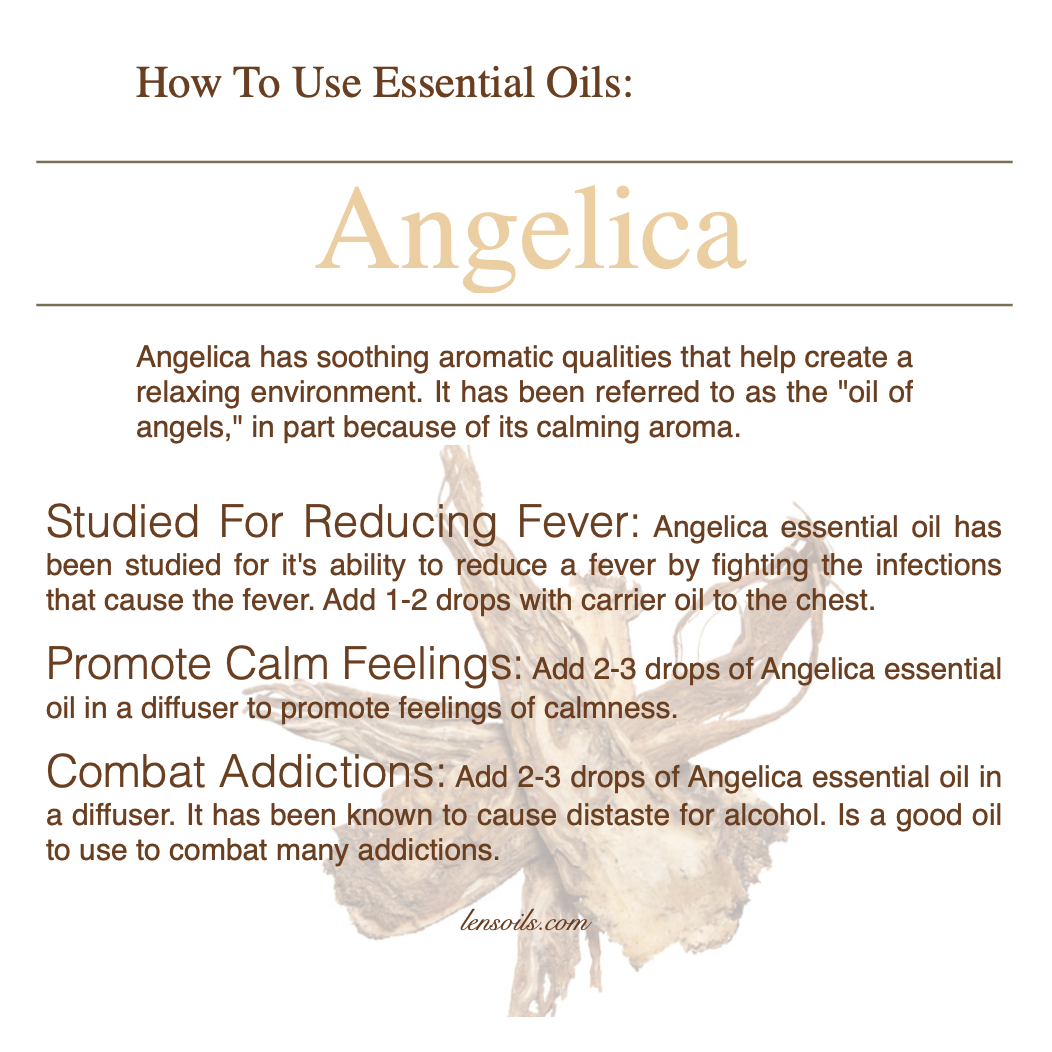
Angelica essential oil is well known for its soothing and calming aromatic qualities, making it a popular choice for creating a relaxing environment. Often referred to as the “oil of angels,” it has a gentle yet grounding aroma that can help ease stress and tension. Many people use Angelica oil in aromatherapy to unwind after a long day or to promote a sense of peace during meditation. Its natural properties make it a valuable oil for emotional balance and relaxation.
In addition to its calming effects, Angelica essential oil has been studied for its ability to reduce fevers. It is believed to help fight the infections that cause fever, supporting the body’s natural healing process. To use Angelica oil for this purpose, dilute 1-2 drops with a carrier oil and apply it to the chest. The oil’s therapeutic properties may assist in boosting the immune system and providing relief from discomfort. It is also commonly used in diffusers to promote feelings of tranquility, helping to create a restful atmosphere.
Beyond its traditional uses, Angelica essential oil has been noted for its potential in combating addictions. When diffused, it is said to cause a distaste for alcohol, making it a helpful tool for those looking to break free from certain habits. Some people also use it to help manage cravings and support emotional resilience during recovery. While not a standalone solution, incorporating Angelica oil into a wellness routine may provide additional support for those seeking to overcome various dependencies.
One of the most memorable stories from The Art of Happiness that reflects the quote “A calm mind brings inner strength and self-confidence, so that’s very important for good health.” is the story of a Tibetan monk who endured years of imprisonment and torture yet emerged with unshaken peace and inner strength.
The Story of the Tibetan Monk
During a conversation, the Dalai Lama shared the story of a Tibetan monk who had been imprisoned by the Chinese government for nearly 20 years after the invasion of Tibet in 1959. The monk had been tortured, starved, and subjected to brutal conditions in a Chinese prison camp.
When the monk was finally released, he traveled to India and met with the Dalai Lama. The Dalai Lama, knowing the suffering he had endured, asked him,
“What was the greatest danger you faced during your time in prison?”
The monk replied, “The greatest danger I faced was losing my compassion for my captors.”
What This Story Teaches Us
Despite experiencing unimaginable suffering, the monk maintained a calm mind and inner strength. He understood that if he allowed anger, hatred, or fear to take over, he would have lost his inner peace and self-confidence—which, in turn, would have destroyed his mental and physical health.
Instead of focusing on his suffering, he focused on compassion, forgiveness, and maintaining a peaceful state of mind. He survived the ordeal not just physically, but emotionally and spiritually intact.
I remember a kind couple, John and Nome Mackaleash, who loved my parents and enjoyed spending time with our family. They had big hearts and a genuine desire to help. They often brought us new clothes from a business they owned, showing their thoughtfulness in ways we deeply appreciated. One visit stands out in my memory: my sister Rachel was participating in a fundraiser, selling boxes of M&M candies for a dollar each—a significant amount of money in the 1980s. Without hesitation, John pulled out twenty dollars and bought the entire case of candy. Then, in an act of pure generosity, he gave each of us our own box.
Fast forward 20 years, and now it was my turn as a parent. My children were doing school fundraisers, but my reaction was the opposite of John’s. I completely discouraged them from participating. I’d say, “I’ll give you a dollar if you don’t do that fundraiser.” I was downright unpleasant to anyone who came to my door selling something.
One day, while listening to an audiobook, I heard the speaker say, “Be generous with your money, and it will come back to you tenfold.” Something about that message resonated with me. I decided to change my ways. I started being more open and generous, buying from every child who came to my door. It reminded me of John’s incredible generosity and the example he set for me all those years ago.
This shift in mindset also made me realize how giving can create a ripple effect. I even hired neighborhood kids to clean up rotten apples in my front yard and rewarded each of them with a crisp two-dollar bill. Seeing their smiles made me realize that generosity isn’t just about money—it’s about creating moments of joy and encouragement for others.
This perspective ties perfectly into my love for essential oils. Generosity isn’t just about giving money or gifts; it’s about sharing things that have positively impacted your life. For me, essential oils have been life-changing. I use them daily, appreciating their ability to promote better health without harmful side effects. When I experience the benefits of an oil—whether it’s improved focus, better sleep, or relief from discomfort—I feel compelled to share it with others.
I believe essential oils represent the same spirit of generosity that John and Nome demonstrated. They offer people hope and an alternative path to better health. Generosity, whether it’s giving time, money, or a small bottle of essential oil, creates a harvest far greater than we can imagine. Every time I share an oil, I’m reminded of the beauty in giving: it transforms lives—mine and others’—and fosters a deeper connection to those around me.
The lesson is clear: generous giving of ourselves, whether through kindness, encouragement, or something as simple as sharing essential oils, leads to a generous harvest of joy, hope, and connection. And just like John’s act of kindness with those boxes of candy, it’s the small, thoughtful gestures that often make the biggest difference.
Essential oils can be a natural and effective way to support your pet’s well-being when used safely and correctly. A calming spray made with diluted lavender or chamomile oil can help ease anxiety in pets, especially during stressful situations like thunderstorms or travel. Lightly misting your pet’s bedding or crate can create a soothing environment that promotes relaxation. These gentle essential oils are known for their calming properties and can help pets feel more at ease in unfamiliar or high-stress situations.
For pet owners looking to protect their furry friends from pests, a natural flea and tick repellent can be made by blending cedarwood and lemongrass essential oils with a carrier oil. Applying a small amount of this mixture to a pet’s collar or bandana can help keep insects away without the use of harsh chemicals. Additionally, dry and cracked paw pads can be soothed with a homemade paw balm made from frankincense or myrrh essential oils combined with coconut oil and shea butter. This nourishing balm helps restore moisture and protect a pet’s paws from rough surfaces and extreme weather conditions.
Beyond these specific uses, pet owners should always be cautious when introducing essential oils to their animals. Some oils, such as tea tree oil for dogs and citrus oils for cats, can be toxic and should be avoided. Essential oils should always be properly diluted, and it’s best to consult a veterinarian before using them on or around pets, especially if the pet has pre-existing health conditions. Observing how a pet reacts to an essential oil and adjusting usage accordingly ensures their safety and comfort while benefiting from natural remedies.
John 19:39 describes Nicodemus, a Pharisee who had once visited Jesus secretly at night (John 3:1-2), now openly honoring Him after His crucifixion. In this moment, Nicodemus, along with Joseph of Arimathea, brought a mixture of myrrh and aloes, about a hundred pounds in weight, to prepare Jesus’ body for burial. This act of devotion was significant because these fragrant resins and oils were costly and used in ancient Jewish burial practices to anoint and preserve the body. Nicodemus, who had once been hesitant in his faith, now publicly expressed his love and respect for Jesus, showing his transformation from a secret follower to a bold disciple.
This verse highlights the importance of essential oils and natural resins in biblical times. Myrrh, a resin extracted from trees, was commonly used in perfumes, anointing oils, and embalming. It was one of the gifts brought to Jesus at His birth (Matthew 2:11), symbolizing both His kingship and suffering. Aloes, often associated with sandalwood oil, were used for their preserving and healing properties. The mixture of myrrh and aloes that Nicodemus brought was an extravagant gift, emphasizing the reverence and care shown to Jesus even after His death. These essential oils not only had practical purposes but also carried deep spiritual significance, symbolizing purification, honor, and preparation for eternity.
For us today, John 19:39 reminds us of the depth of love and devotion we should have for Jesus. Just as Nicodemus used myrrh and aloes to care for Jesus’ body, we can see these biblical essential oils as symbols of sacrifice, healing, and reverence in our own faith journey. This passage also challenges us to consider our relationship with Jesus—do we follow Him in secret, or are we willing to openly show our love and commitment, just as Nicodemus did in the end? Through this verse, we are reminded that Jesus’ sacrifice was the ultimate act of love, and He deserves our deepest devotion.







 Len's Oils