Tag Archives: The rest of the story

The Indigo Secret

In the early 1940s, World War II was raging, and the people of England were bracing themselves for the worst. Amid the chaos and fear, one young woman named Marguerite Maury was quietly working in her small Parisian laboratory, surrounded not by weapons or blueprints for war but by plants—hundreds of them. Marguerite was a biochemist and an avid believer in the power of natural remedies. But her fascination wasn’t merely scientific—it was personal. She had suffered from chronic illness as a child and found solace in the aromatic compounds of flowers and herbs.

Marguerite’s life took a turn when she came across the work of René-Maurice Gattefossé, a French chemist whose accidental discovery of lavender’s healing properties changed the course of modern aromatherapy. Gattefossé had burned his hand during an experiment and instinctively plunged it into a container of lavender oil. To his astonishment, the burn healed quickly, with little scarring. Inspired, Marguerite began to explore the healing potential of other plants, diving deeper into the study of essential oils.

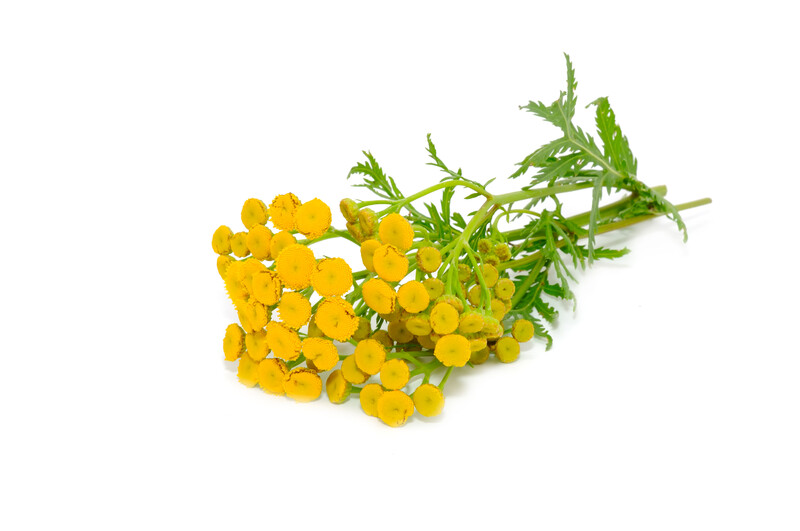
Her research led her to a plant that, at first glance, seemed utterly unremarkable. It grew wild in the sun-soaked fields of Morocco, its yellow blossoms swaying gently in the Mediterranean breeze. Local farmers harvested it for its traditional uses, but Marguerite suspected the plant was capable of far more. She obtained a small sample of its oil and began her experiments. What she discovered would change her life—and the lives of countless others.

The oil was unlike anything Marguerite had ever encountered. Its color was a striking indigo blue, almost otherworldly. Marguerite learned that this unique hue came from a compound called chamazulene, which was only formed during the distillation process. But it wasn’t just the color that intrigued her—it was the oil’s effects. It seemed to calm irritated skin, ease tension, and lift the spirits in ways she had never seen before.

Marguerite decided to test the oil on herself. At the time, she was battling stress and fatigue from long days in her lab. She placed a single drop in a bowl of steaming water, inhaling deeply. The rich, herbaceous aroma filled her senses, and almost immediately, she felt a sense of calm and focus. Over the next few months, she shared the oil with friends and colleagues, documenting its effects on everything from blemishes to sore muscles.

Her breakthrough came when she presented her findings to a group of biochemists in Paris. They were skeptical at first, dismissing her work as nothing more than folk medicine. But Marguerite was undeterred. She had seen the results firsthand—she knew the oil was a gift, not just for healing the body but for restoring the soul. Eventually, her persistence paid off, and the scientific community began to take notice.

By the 1950s, Marguerite Maury had become a pioneer in aromatherapy, and her work with this mysterious blue oil had earned her international recognition. She introduced the concept of using essential oils not just for their physical benefits but for their emotional and psychological effects—a radical idea at the time. Her discoveries paved the way for modern holistic medicine, changing how people viewed the connection between plants and healing.

And the plant that started it all? The humble blue tansy, also known as Moroccan tansy. Today, it’s cherished for its skin-soothing properties, its ability to uplift the mood, and its role in Marguerite Maury’s groundbreaking legacy.

And now you know the rest of the story.

The Seeds of Timeless Wisdom

Long ago, in lands where mountains kissed the sky and the desert stretched far and wide, humanity found treasures hidden in plain sight. They were not gold or jewels but plants—humble, unassuming, yet brimming with secrets that whispered through the ages. One of these plants would change the way people saw healing, nourishment, and even trust. But before we get to that, let’s start with the foundation of its legacy.

The earliest healers didn’t wear lab coats or work in sterile clinics. They were farmers, shepherds, and midwives who turned to the earth’s bounty for answers. Oils pressed from leaves, roots, and seeds became their medicine. A mere drop could soothe pain or sweeten a sour stomach. These ancient remedies, passed through generations, became the foundation of modern wellness. Yet, even with all our advancements, some secrets from the past remain indispensable.

For centuries, the carrot family has been a source of health and nourishment. From its roots came earthy sustenance, and from its seeds, oils that calmed and healed. Plants like cumin and fennel have become kitchen staples, their aromatic seeds flavoring dishes and aiding digestion. These seeds, steeped in history, whisper their benefits into every bite. But there was one cousin in this family, small and quiet, that rose to fame in ways no one could predict.

This tiny hero carried its aroma into the stories of many cultures. Bread baked with its seeds graced ancient tables, offering sustenance and solace. Tales from long-forgotten kitchens spoke of this seed’s power to soothe a worried mind and ease a troubled gut. Meanwhile, in distant lands, the same seeds became symbols of loyalty, ensuring that belongings laced with their scent remained unstealable. Such is the legacy of these simple yet profound seeds.

And so we arrive at caraway seed. Native to Asia but beloved worldwide, it has stood the test of time as both a healer and protector. Its essential oil, extracted from the seed, has amazing benefits. A soothing abdominal massage with caraway seed oil calms discomfort; a single drop in a daily rinse refreshes the breath and supports oral health. Blend it with lavender in a bath, and you’ll find peace in its calming embrace. In biblical times, caraway seed even found its way into bread, a testament to its enduring value.

Now, whenever you see that tiny seed, remember its journey—from ancient remedies to modern wellness. It’s more than a spice; it’s a bridge between the wisdom of the past and the promise of the future. And now you know… the rest of the story.

The Indigo Gift


And now for the rest of the story

There was a time, not too many years ago, when a small group of farmers in Morocco found themselves at a crossroads. They had worked their fields for generations, harvesting grains and spices from the Mediterranean earth, just as their parents and grandparents had done before them. But times were changing, and so was the land. Harsh seasons and dwindling returns made their crops unpredictable. Many were ready to give up, feeling the weight of their families’ legacy slipping through their fingers. And yet, there was a wild, seemingly ordinary yellow-flowered plant growing around their fields, something they had never really thought twice about.

This yellow-flowered plant wasn’t entirely unknown. Their grandmothers had used it now and then, mixing it into remedies to soothe aching muscles or using it to help with skin irritation after long days working under the Moroccan sun. But it had no real value to anyone outside their villages. Then, a team of essential oil experts discovered the remarkable potential of this humble plant. To the farmers’ surprise, it turned out that the plant held within it a potent and rare essential oil that could have an incredible impact beyond their fields. The oil from this yellow flower was a rich indigo, unlike anything they had ever seen, and it was soon drawing interest from companies around the world.

As demand grew, the farmers entered a partnership with doTERRA, a company that would not only bring them fair trade practices but also invest in the sustainability of their land. Under this new alliance, the farmers began to learn ways of refining and cultivating their crops, caring for each yellow bloom with newfound respect and purpose. The company was equally invested, ensuring the soil was treated with care, the plants grown without harm, and the farmers’ futures protected. For many, it felt like a new beginning — a fresh start rooted in the wisdom of the past.

It was during this time that Dr. Robert Pappas, an expert in essential oil chemistry, heard about the beautiful blue oil from Morocco and saw an opportunity to further its potential. Known for his expertise on essential oils, Dr. Pappas studied the primary component, chamazulene, that gave this oil its vivid indigo color and its renowned skin-soothing properties. Through his research at Essential Oil University, he discovered that with careful storage—like refrigeration and minimal air exposure—the oil’s color and effectiveness could be preserved, ensuring a high-quality product for consumers. His knowledge helped doTERRA establish best practices for handling the oil, preserving its unique characteristics and enhancing its benefits for users around the world.

Soon, the stories of this essential oil’s benefits started reaching places far from Morocco. People used it to ease tension, soothe irritated skin, and elevate their spirits. The farmers couldn’t believe that the plant they’d always seen as just another wildflower was now a part of something bigger than they’d imagined. As they harvested the flowers each season, they saw firsthand the difference it made, not only in their own lives but in the lives of people across the globe.

And there was something else, something that set this oil apart. When distilled, it transformed into a beautiful indigo blue, a color that seemed almost magical, as if it carried the essence of the Mediterranean sky. This blue oil, so unique and vibrant, was treasured not just for its color but for the way it could uplift a room with a single drop in a diffuser or soothe weary skin when mixed with a lotion after a long, exhausting day.

This treasured oil, the gift of the small yellow flower, was known as Blue Tansy. It was the very thing that had transformed the lives of those Moroccan farmers, helped them reconnect with their land, and showed the world that sometimes, the most remarkable treasures come from the humblest of places. And now, every time you add a drop of Blue Tansy oil to your skincare or breathe it in for a moment of calm, you’re part of their story too. 

And that, as Paul Harvey might say, is the rest of the story.