
Shirley Price: A Life of Passion and Healing
Shirley Price’s name is synonymous with the rise of aromatherapy as a respected and widely practiced art. Born and raised in the United Kingdom, Shirley’s childhood was steeped in curiosity and a love for the natural world. Growing up in a modest yet nurturing household, she was encouraged by her family to explore science, creativity, and holistic living. This early foundation would serve as the blueprint for her life’s work. With a passion for helping others and a fascination with the healing properties of plants, Shirley embarked on a journey that would position her as a pioneer in the field of aromatherapy.
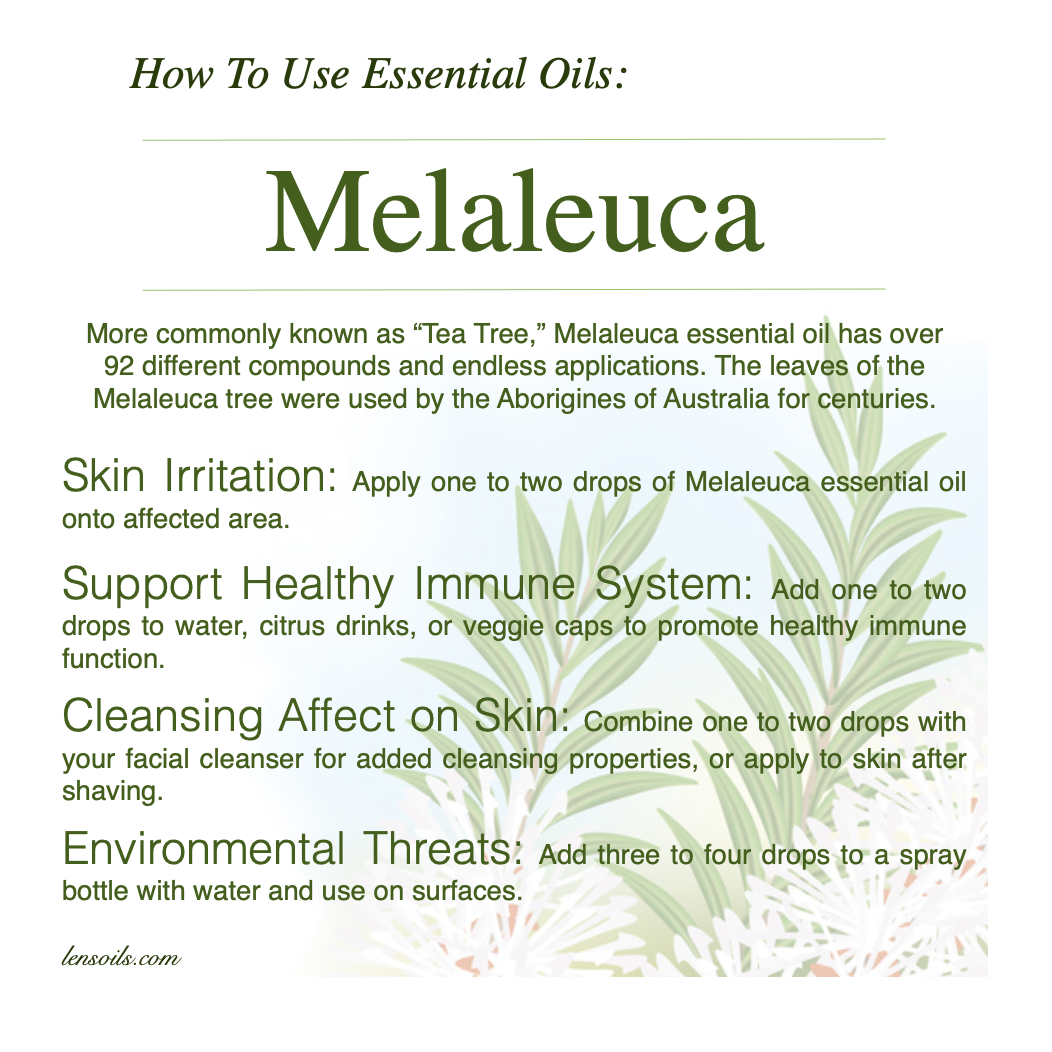
Shirley’s first encounter with essential oils was transformative. At a time when aromatherapy was far from mainstream, she became captivated by the potential of oils like lavender and tea tree to promote physical and emotional well-being. Her early experiments with these natural extracts fueled her passion for learning, and she immersed herself in studying their properties. For Shirley, essential oils represented a bridge between traditional medicine and natural remedies, a connection that inspired her to delve deeper into this emerging field.
In the 1970s, Shirley Price turned her passion into a profession with the founding of Shirley Price Aromatherapy. Focused on producing high-quality essential oils, her company became a beacon of integrity and innovation. Shirley was meticulous in sourcing her oils, ensuring they were pure, ethically produced, and effective. As one of the first advocates for the therapeutic use of essential oils in the UK, her business set the gold standard for quality in the industry.
Central to Shirley’s work was her deep understanding of essential oils and their benefits. She championed oils like eucalyptus for respiratory health, chamomile for relaxation, and peppermint for energy and mental clarity. Shirley’s research and personal experience demonstrated the versatility of essential oils in enhancing well-being. She didn’t just sell oils—she educated her customers, teaching them how to use these natural remedies safely and effectively.
Believing that knowledge was the cornerstone of progress, Shirley devoted herself to educating others about aromatherapy. She authored several books, including the seminal Practical Aromatherapy, which became a must-read for those entering the field. Her writing demystified essential oils, blending scientific research with practical advice to make aromatherapy accessible to a wider audience. Shirley also worked with healthcare professionals, advocating for essential oils to complement conventional treatments.
Under Shirley’s visionary leadership, her business grew from a small operation into an international enterprise. Her efforts to legitimize aromatherapy as a complementary medicine included collaborations with scientists, therapists, and industry professionals. By building a body of evidence supporting the benefits of essential oils, Shirley played a critical role in the global acceptance of aromatherapy as both an art and a science.
One of Shirley’s lasting contributions was her commitment to quality. She insisted on rigorous testing and ethical sourcing for every product that bore her name. This dedication to excellence earned her the trust of clients worldwide and established standards that are still followed in the industry today. Her brand became synonymous with purity and reliability, elevating aromatherapy to a level of credibility it hadn’t previously achieved.
Shirley’s approach to health went beyond essential oils. She embraced a holistic philosophy, advocating for the integration of aromatherapy with other natural therapies, such as massage, reflexology, and meditation. Her vision emphasized the interconnectedness of physical, emotional, and spiritual health, inspiring many to adopt a more balanced and mindful lifestyle.
As her influence grew, Shirley took steps to ensure her work would endure. She established the Shirley Price International College of Aromatherapy, training a new generation of therapists to carry her vision forward. The college became a hub for education and innovation, equipping students with the tools to use essential oils effectively and ethically. Shirley’s legacy lives on through the countless lives she touched, both directly and indirectly.
Shirley Price’s contributions to aromatherapy have left an indelible mark. From a small UK business to a global movement, her passion and dedication turned a niche practice into a respected industry. Today, her name continues to inspire trust, innovation, and excellence in the world of aromatherapy. Through her work, Shirley proved that nature truly holds the key to healing, and her vision continues to guide those who seek to harness its power.

 Len's Oils