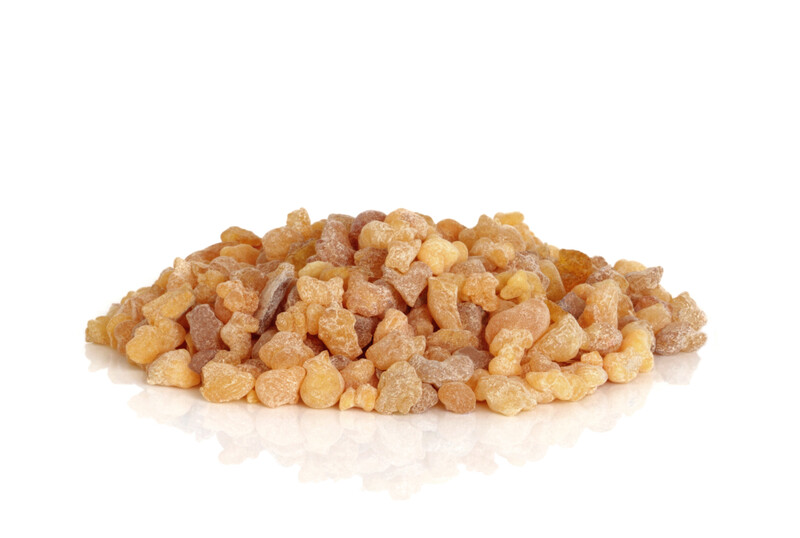
Long before labels, bottles, or written instructions, there was a desert tree growing where almost nothing else could survive. Its roots clung to rocky ground, and its branches bent under heat and wind. When the bark was gently cut, a milky sap slowly appeared. Time and sun hardened it into pale drops. People noticed the scent when it burned. They sensed its value long before they understood why it mattered so much.
These hardened drops began traveling farther than the trees ever could. Caravans carried them across deserts on camels, moving from village to city, from shore to shore. The journeys were dangerous and slow, but traders kept going. This substance was rare, slow to collect, and highly desired. Entire trade routes grew around it. Cities prospered because of it. Some even guarded its sources as carefully as treasure.
In ancient temples, the resin met fire and changed form. Smoke curled upward into high ceilings and open skies. In Babylon and Assyria, people believed that rising scent carried prayers to the heavens. The air felt calmer, quieter, more focused. The act of burning it marked moments as important. Over time, the scent itself became linked with reverence, reflection, and the feeling that something unseen was listening closely.
Farther west, in Egypt, the resin took on an even broader role. It was burned in temples but also blended into perfumes and skin salves. Egyptians valued it for both sacred ceremonies and daily care. It was used to honor life and prepare for death. This substance crossed boundaries few things could. It belonged to priests and families alike. What began in the desert became part of ordinary human routines.
Then came a quiet moment recorded in ancient writings. Travelers followed signs and brought gifts fit for someone believed to matter greatly. Among those offerings was this resin, chosen not for wealth alone but for meaning. It symbolized honor and reverence. Even then, it was already ancient. That single moment did not begin its story, but it confirmed its importance. History had already tested it. Belief simply gave it another chapter.
Centuries passed. Empires faded. New tools and medicines appeared. Yet the resin remained. People continued using it in traditional healing practices, observing how it affected skin, breath, and calm. Healers shared what they noticed, passing knowledge through generations. Though explanations changed, the experience stayed familiar. It was never rushed or dramatic. It worked quietly, slowly, and steadily, earning trust over time.
In modern life, long days still leave marks on the body. Hands grow sore from work. Muscles tighten. When a drop of this ancient substance is warmed between the palms, its scent feels grounding. People notice their breathing slow. The warmth is gentle, not sharp. It does not promise miracles. Instead, it offers comfort. The body seems to recognize it, as if remembering something very old.
Evenings bring their own weight. Tired feet meet the floor carrying worry from the day. A small ritual, low and simple, helps invite rest. Applied carefully, the substance becomes part of quiet routines. Skin, marked by time, receives gentle care. Inside, the body continues its unseen work. Nothing flashy happens. Yet many people return to it again and again, drawn by its steady presence.
What makes this resin remarkable is not just how it is used, but how long it has endured. Few natural substances connect ancient deserts, sacred spaces, and modern homes so smoothly. It never demanded belief. It never chased attention. It stayed useful by being consistent. In a changing world, it invites slowing down, breathing deeply, and valuing simple, lasting support.
Only now does the name step forward, having waited thousands of years to be spoken. The same desert resin carried across trade routes, burned in temples, and used in quiet routines was also placed in the hands of travelers who knelt beside a baby lying in a manger. That gift was this very substance. Its name is frankincense. It still warms, still calms, and still carries history in every drop. And now you know the rest of the story.


 Len's Oils