Tag Archives: Sage

How to Use Essential Oils: Warm

Essential oils can create a warming sensation on the skin, but it’s important to remember that everyone experiences this feeling differently. What may feel mildly warm to one person could feel hot or even irritating to another. When using essential oils classified as “warm,” caution should be taken, especially for those with sensitive skin. If an oil accidentally gets into the eyes or mucous membranes, it can cause discomfort or a burning sensation. Always use proper dilution methods to prevent adverse reactions.

The 50/50 rule is a helpful guideline when using warm essential oils. This means mixing equal parts (5 drops) of a warm essential oil with a carrier oil (5 drops) before applying it to the skin. Proper dilution helps reduce the risk of irritation while still allowing the oil’s therapeutic benefits to take effect. Some warm oils, like peppermint, may feel cooling initially but can have a warming after-effect, while others, like black pepper or ginger, provide steady warmth upon application. For internal use, extra caution is needed, as some warm oils may cause discomfort if not properly diluted.

In addition to their warming properties, these essential oils offer a variety of benefits. Oils like basil, cardamom, and clary sage can support digestion, while eucalyptus and rosemary may help open airways for clearer breathing. Other oils such as ginger and wintergreen are commonly used to ease muscle tension and support circulation. Understanding how warm oils interact with the body allows for more effective and comfortable use in aromatherapy, skincare, and wellness routines.


Sage-Did You Know?

Sage
Did you know Sage is the oil of purification? Sage is known for its ability to cleanse energy, and spaces. It also purifies the body, and opens spiritual channels. Sage is a powerful energy cleansing oil. It can send away unwanted or hard to endure energies, and restore harmony, and balance. It plays a role in helping people who have experienced any form of abuse, also feeling a disconnect from their physical body.

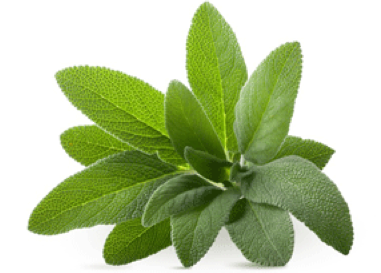
Sage (Salvia officinalis) has a herbaceous spicy aroma. The Ancient Greeks and Romans used the leaves of both species as compresses for the treatment of wounds. The oldest reference is a depiction of Salvia fruticosa on a fresco at in Crete, which has been dated at about 1400 BC. The name salvia in fact comes from the latin, salvere, meaning to heal. It has been identified for its ability to strengthen the senses, and vital centers of the body.

Sage was used by herbalists externally to treat sprains, swelling, ulcers, and bleeding. Internally, a tea made from sage leaves has had a long history of use to treat sore throats and coughs; often by gargling. It was also used by herbalists for rheumatism, excessive menstrual bleeding, and to dry up a mother’s milk when nursing was stopped. It is helpful for supporting the respiratory, reproductive, and nervous systems. Sage may help in coping with despair and mental fatigue.

Sage-Did You Know?

SageDid you know sage is the oil of purification? Sage is known for its ability to cleanse energy, and spaces. It also purifies the body, and opens spiritual channels. Sage is a powerful energy cleansing oil. It can send away unwanted or hard to endure energies, and restore harmony, and balance. It plays a role in helping people who have experienced any form of abuse, also feeling a disconnect from their physical body.

Sage (Salvia officinalis) has a herbaceous spicy aroma. The Ancient Greeks and Romans used the leaves of both species as compresses for the treatment of wounds. The oldest reference is a depiction of Salvia fruticosa on a fresco at in Crete, which has been dated at about 1400 BC. The name salvia in fact comes from the latin, salvere, meaning to heal. It has been identified for its ability to strengthen the senses, and vital centers of the body.

Sage was used by herbalists externally to treat sprains, swelling, ulcers, and bleeding. Internally, a tea made from sage leaves has had a long history of use to treat sore throats and coughs; often by gargling. It was also used by herbalists for rheumatism, excessive menstrual bleeding, and to dry up a mother’s milk when nursing was stopped. It is helpful for supporting the respiratory, reproductive, and nervous systems. Sage may help in coping with despair and mental fatigue.

Sage-Did You Know?

SageDid you know sage is the oil of purification? Sage is known for its ability to cleanse energy, and spaces. It also purifies the body, and opens spiritual channels. Sage is a powerful energy cleansing oil. It can send away unwanted or hard to endure energies, and restore harmony, and balance. It plays a role in helping people who have experienced any form of abuse, also feeling a disconnect from their physical body.

Sage (Salvia officinalis) has a herbaceous spicy aroma. The Ancient Greeks and Romans used the leaves of both species as compresses for the treatment of wounds. The oldest reference is a depiction of Salvia fruticosa on a fresco at in Crete, which has been dated at about 1400 BC. The name salvia in fact comes from the latin, salvere, meaning to heal. It has been identified for its ability to strengthen the senses, and vital centers of the body.

Sage was used by herbalists externally to treat sprains, swelling, ulcers, and bleeding. Internally, a tea made from sage leaves has had a long history of use to treat sore throats and coughs; often by gargling. It was also used by herbalists for rheumatism, excessive menstrual bleeding, and to dry up a mother’s milk when nursing was stopped. It is helpful for supporting the respiratory, reproductive, and nervous systems. Sage may help in coping with despair and mental fatigue.

Sage-Did You Know

SageDid you know sage is the oil of purification? Sage is known for its ability to cleanse energy, and spaces. It also purifies the body, and opens spiritual channels. Sage is a powerful energy cleansing oil. It can send away unwanted or hard to endure energies, and restore harmony, and balance. It plays a role in helping people who have experienced any form of abuse, also feeling a disconnect from their physical body.

Sage (Salvia officinalis) has a herbaceous spicy aroma. The Ancient Greeks and Romans used the leaves of both species as compresses for the treatment of wounds. The oldest reference is a depiction of Salvia fruticosa on a fresco in Crete, which has been dated at about 1400 BC. The name salvia in fact comes from the latin, salvere, meaning to heal. It has been identified for its ability to strengthen the senses, and vital centers of the body.

Sage was used by herbalists externally to treat sprains, swelling, ulcers, and bleeding. Internally, a tea made from sage leaves has had a long history of use to treat sore throats and coughs; often by gargling. It was also used by herbalists for rheumatism, excessive menstrual bleeding, and to dry up a mother’s milk when nursing was stopped. It is helpful for supporting the respiratory, reproductive, and nervous systems. Sage may help in coping with despair and mental fatigue.