Tag Archives: Digestive support

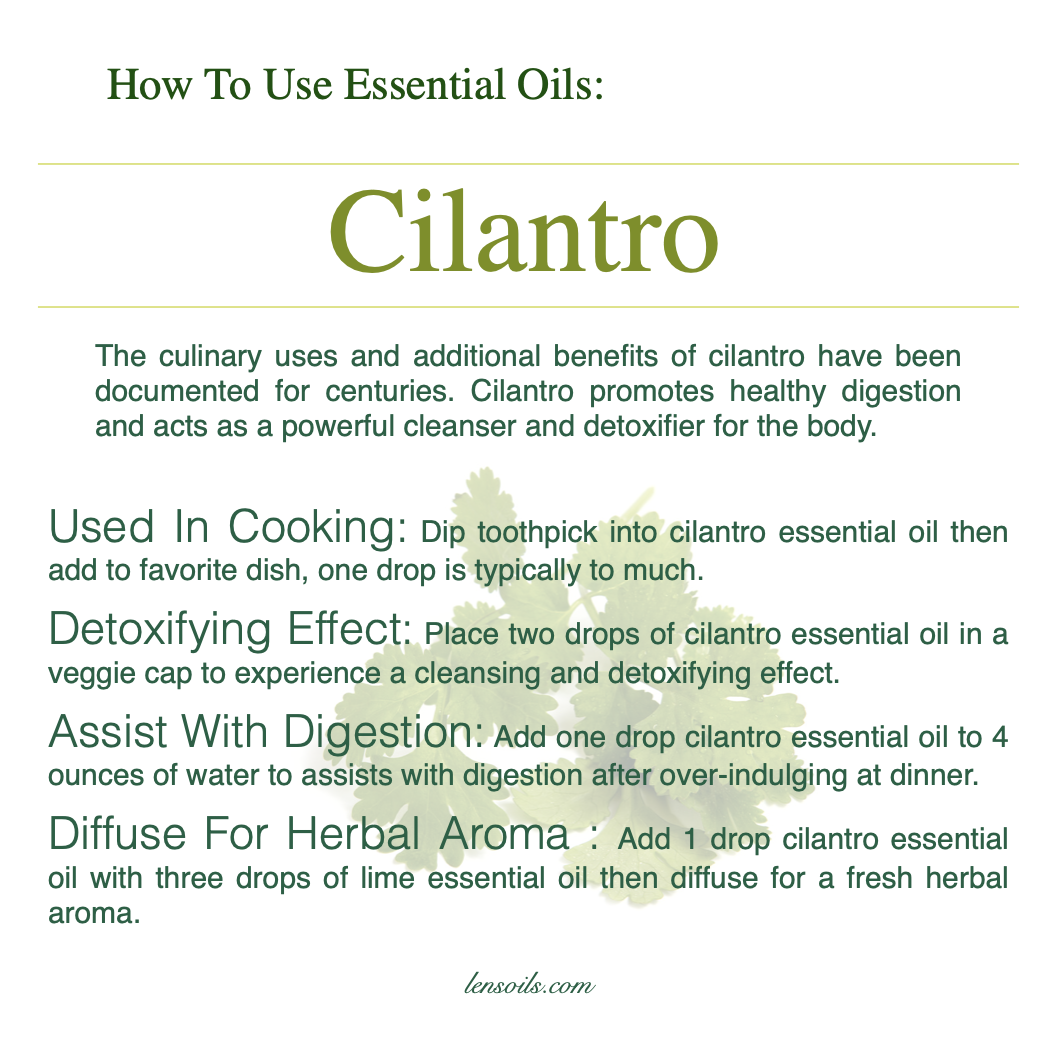
How to Use Essential Oils: Cilantro

Cilantro (Coriandrum sativum) has been used in culinary and medicinal traditions for centuries, valued for both its distinctive flavor and health-supporting properties. Known for its fresh, herbaceous aroma, cilantro is widely used in cooking, particularly in Mexican, Middle Eastern, and Asian cuisines. The essential oil, derived from cilantro leaves, is highly concentrated, and a small amount goes a long way. A common method for culinary use is dipping a toothpick into cilantro essential oil and stirring it into dishes, as even one full drop may be too strong. Beyond its culinary appeal, cilantro essential oil is believed to promote digestion and help detoxify the body. Some practitioners suggest placing two drops of cilantro essential oil in a veggie capsule to support natural cleansing processes. While cilantro has been traditionally used for detoxification, more scientific studies are needed to validate its direct impact on heavy metal removal and long-term detox benefits.

Cilantro essential oil is also frequently used for digestive support. Many individuals add one drop to four ounces of water to assist digestion after a heavy meal, a practice based on cilantro’s traditional use in easing bloating and occasional stomach discomfort. Additionally, diffusing one drop of cilantro essential oil with three drops of lime essential oil can create a refreshing herbal aroma, often used to promote a sense of freshness and mental clarity. Some aromatherapists believe that cilantro’s invigorating scent may also contribute to emotional balance and stress reduction. While these benefits are widely supported by holistic wellness practices, further clinical research is required to fully understand cilantro essential oil’s physiological effects on digestion and mood enhancement.

Beyond its culinary and detoxifying properties, cilantro essential oil is being explored for its potential antibacterial and antimicrobial effects. Some studies suggest that cilantro oil contains compounds that may help inhibit certain bacteria, making it a potential natural preservative. It has also been traditionally used in folk medicine for immune support, though its efficacy compared to standard antimicrobial treatments remains an area of study. Despite these uncertainties, cilantro essential oil remains a highly versatile oil, offering culinary, digestive, and aromatic benefits, making it a valuable addition to natural wellness practices.
The Herb of Two Opinions and the Rest of the Story

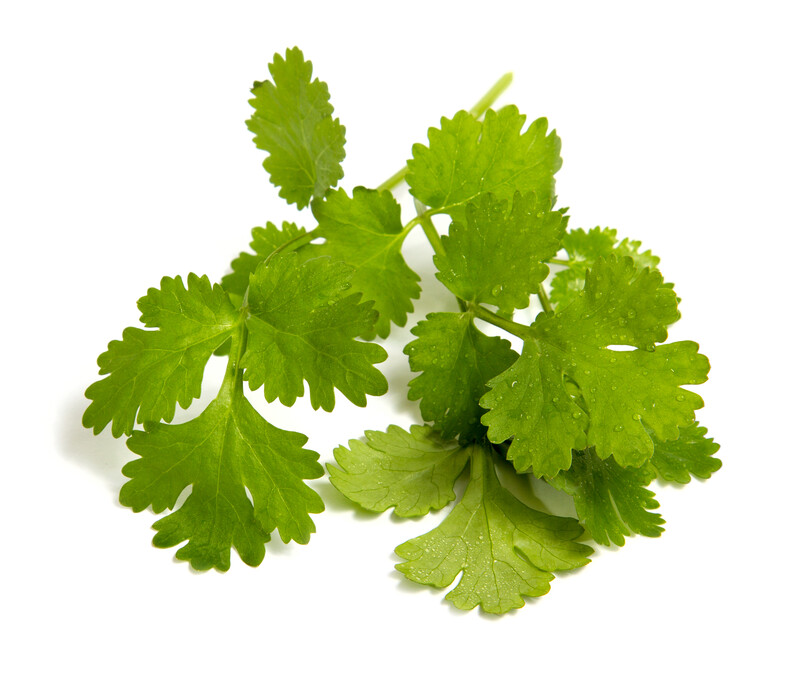
For centuries, an unassuming green herb has graced tables across the world, its fragrance as distinct as its flavor. It has been crushed into pastes, steeped into teas, and scattered atop dishes from Mexico to India. Ancient civilizations knew of its powers long before modern science confirmed its worth. Traces of it have been found in the tombs of Egyptian pharaohs, nestled alongside gold and sacred artifacts, hinting at a value that extended far beyond the kitchen. Hippocrates, the father of medicine, spoke of its medicinal properties, while Chinese healers used it to rid the body of toxins.

In the Middle Ages, it was rumored to hold mystical qualities, a belief likely rooted in its ability to purify and restore. Traders carried its seeds along the Silk Road, sharing its secret with distant lands. The Spanish conquistadors ensured its presence in the New World, where it flourished in the warm, fertile soils of the Americas. Today, it is a staple in kitchens worldwide, yet it remains one of the most polarizing ingredients in culinary history—beloved by some and despised by others.

Its scent, bright and citrusy to some, is curiously soapy to others, a perception dictated by genetics. Charles J. Wysocki, a behavioral neuroscientist, uncovered the genetic link that determines whether one will relish its fresh, tangy bite or recoil at its pungency. This divisive reaction is rooted in olfactory receptors, proving that taste, at times, is simply a matter of biology. But beyond its flavor, it harbors an arsenal of benefits that modern science has only begun to unravel.

Dr. Ellen Silbergeld, a toxicologist renowned for her work in environmental health, found that this little leaf could do what few other plants could—it binds to heavy metals in the body, aiding in their safe removal. Its detoxifying properties have made it a subject of research in holistic medicine, where it is lauded for its ability to cleanse the bloodstream and support liver function. Some have even referred to it as nature’s own “chelation therapy.”

Not just a detoxifier, this herb is a digestive ally. Its essential oils contain compounds that soothe the gut, reducing bloating and discomfort after a heavy meal. A single drop of its concentrated essence, mixed into water, can help the body process rich or indulgent foods. For those who prefer its raw form, adding it to meals not only enhances flavor but also promotes gut health.

Its uses extend beyond digestion and detoxification. Researchers have found that its antioxidant properties may support the body’s defenses against oxidative stress. With a rich profile of vitamins A, C, and K, it contributes to skin health, immune support, and overall well-being. And when paired with lime in a diffuser, its fresh herbal aroma invigorates the senses, bringing a touch of nature indoors.

For all its uses, it remains misunderstood by many. Some associate it with humble street food, while others see it as a refined touch in gourmet cuisine. It has been praised in Ayurvedic medicine for its healing properties, studied by Western scientists for its detoxifying effects, and endlessly debated at dinner tables around the world. Cilantro, with its distinct flavor, divides opinions—fresh and citrusy to some, overwhelmingly soapy to others, a reaction dictated by genetics. Yet, despite the controversy, it continues to thrive in cultures across the globe, enhancing meals, supporting digestion, and purifying the body. A staple in kitchens from Mexico to India, a remedy in holistic medicine, and a topic of scientific curiosity, this humble herb holds a history as rich as its flavor.

And now you know the rest of the story.

Clues of a Spicy Secret

It was a cold winter evening in the late 18th century when a young French chemist named Antoine Baumé began experimenting with the oils of an exotic spice. His research, focused on its strong, spicy aroma, revealed that just a small amount of this oil could transform ordinary remedies into something extraordinary. What made this discovery remarkable was how it seemed to heighten the senses, soothe discomfort, and even energize the weary. But Baumé, a man of few words, left his notes mysteriously vague, leaving the spice’s legacy to drift into obscurity—for a while.

Centuries earlier, in ancient Egypt, Pharaohs demanded that this spice be included in their burial rites. Its aroma, earthy yet sweet, filled the air during rituals, symbolizing both purification and preservation. Priests burned it in temple offerings, believing its scent could carry prayers to the heavens. While frankincense and myrrh often stole the spotlight, this spice stood silently in the background, a humble hero in the halls of Egyptian mysticism.

In the Bible, this spice was mentioned multiple times as a symbol of wealth, sacredness, and divine favor. Moses used it in the anointing oil for the Tabernacle, mixing it with other spices to create a fragrance both holy and unforgettable. The book of Proverbs spoke of its value, and it became synonymous with wisdom and health. Over time, merchants from the East carried it to Europe, where kings and queens clamored for its warmth and richness.

Fast forward to the 15th century, and Christopher Columbus encountered a mystery spice in the New World. Though it was not the spice he sought—cinnamon—it bore a striking resemblance in both flavor and aroma. He brought it back to Spain, where it quickly became a favorite in kitchens, adding depth to savory and sweet dishes alike. Explorers and traders were enchanted by its versatility, yet its true origin remained a closely guarded secret.

In 1819, English herbalist Nicholas Culpeper wrote of the spice’s remarkable medicinal properties. According to Culpeper, its oil could soothe indigestion, relieve chills, and fortify the immune system against seasonal threats. He recommended mixing it with water or wine for digestive relief or combining it with honey to calm a sore throat. While cinnamon was the darling of herbal medicine, this spice became its quieter but equally powerful cousin.

In kitchens across Europe and Asia, bakers discovered that just a drop or two of this spice could elevate pies, breads, and desserts to new heights. It offered a richer, deeper flavor than cinnamon, with a hint of fiery sweetness that lingered long after the last bite. It wasn’t just for food, though. Blended with clove and ginger, its oil became a staple in wintertime rituals, warming homes and hearts alike.

By the 20th century, essential oil practitioners rediscovered this ancient treasure. Aromatherapists praised its ability to boost the immune system and calm the mind. Fitness enthusiasts began using it in water to ward off hunger cravings, while others added it to their wellness routines for digestive support. Its strong, spicy scent became a favorite in fall and winter diffuser blends, evoking feelings of warmth, comfort, and nostalgia.

But what made this spice truly unique was its resilience. Growing wild in the forests of Southeast Asia, the plant thrived in conditions where few others could survive. Its hardy bark and leaves were as unyielding as its aroma was inviting. For centuries, its strength and vitality inspired those who used it, whether for cooking, healing, or spiritual practices.

And now, with all the clues before you—the sacred oils of ancient Egypt, the fiery warmth of fall recipes, the misunderstood spice sought by explorers—you might think we’re talking about cinnamon. But we’re not.

The unsung hero of this tale is Cassia. A close relative to cinnamon, Cassia’s bold, spicy oil has traveled through history, quietly transforming lives with its warmth and strength. And now, as Paul Harvey would say, you know the rest of the story.