Tag Archives: Aroma

Fields of Fire and The Rest of the Story

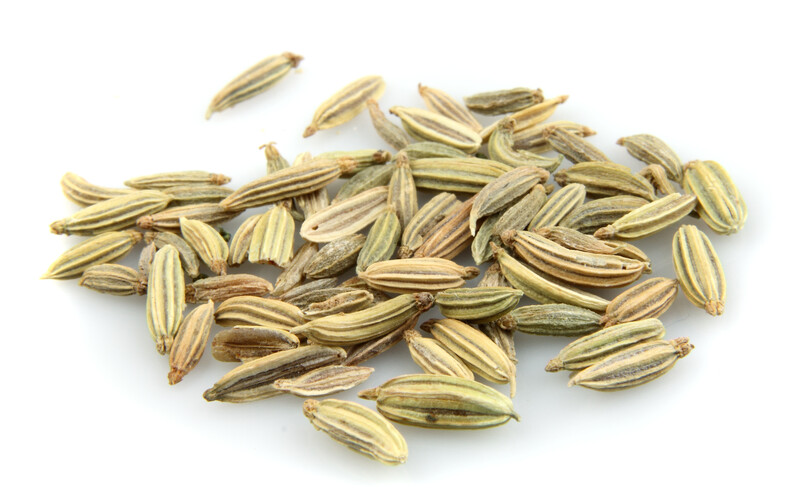
It began in sun-drenched fields, where soft feathery stalks swayed in the breeze and the air smelled faintly of licorice and earth. Long before maps had borders and names, this plant grew wild along the shores of the Mediterranean. Ancient hands didn’t call it medicine or spice—they just knew that chewing a few seeds settled the stomach and brightened the senses. The knowledge didn’t come from books. It came from experience.

Through wars and winters, the plant remained. Roman soldiers chewed its seeds for courage. Midwives in medieval villages gave it to new mothers for strength. In some places, it was hung over doorways to ward off unwelcome spirits. In others, it was ground into food to flavor feasts and help with digestion after. It became a plant of the people, simple, strong, enduring and always nearby.

As centuries turned, apothecaries and herbalists began boiling the seeds, pressing the oils, and steeping the leaves. And when modern distillation arrived, something even more concentrated emerged. The scent was sweet but strong—like anise and black licorice, with something warm beneath. People began to use it for clarity, for confidence, for calming unsettled thoughts. No one needed permission. They just liked how it made them feel.

Today, the steam distillers run quietly in rural hillsides where the tradition is still alive. The seeds are collected when they’re rich in oil, their pale green shells holding a powerful secret. In small villages, farmers still know which rows produce the boldest flavor, and which seasons yield the brightest scent. And companies like doTERRA have chosen to partner with these growers—preserving not just the oil, but the hands and heritage behind it.

That light-green plant, with feathery leaves and tiny seeds that shimmer in the sun, has flavored food, soothed spirits, and sharpened minds for thousands of years. It was trusted by mothers, soldiers, and healers alike. Its name? That came later—borrowed from Latin, carried across languages, and eventually distilled into something more than a spice. This is Fennel. Now you know the rest of the story.

The Beauty of Bergamot

Bergamot blooms where the climate is right,
In sun-soaked soil, kissed by light.
A citrus gem, both rare and sweet,
Its gifts to us are pure and complete.

In Italy’s hands, its power unfurled,
Soothing stress in a bustling world.
Diffuse its drops when tensions rise,
And feel calm wash through, a sweet surprise.

A shower’s steam, a calming embrace,
Bergamot purifies skin with grace.
One drop, a breath, its aroma unfurls,
A tranquil gift from nature’s pearls.

For bedtime peace, a massage supreme,
Bergamot oils create a dream.
Applied to feet with gentle care,
Relaxation fills the evening air.

A cleanser’s touch, a drop or two,
Bergamot makes your skin anew.
Its purifying touch, a natural art,
Caring for your skin and heart.

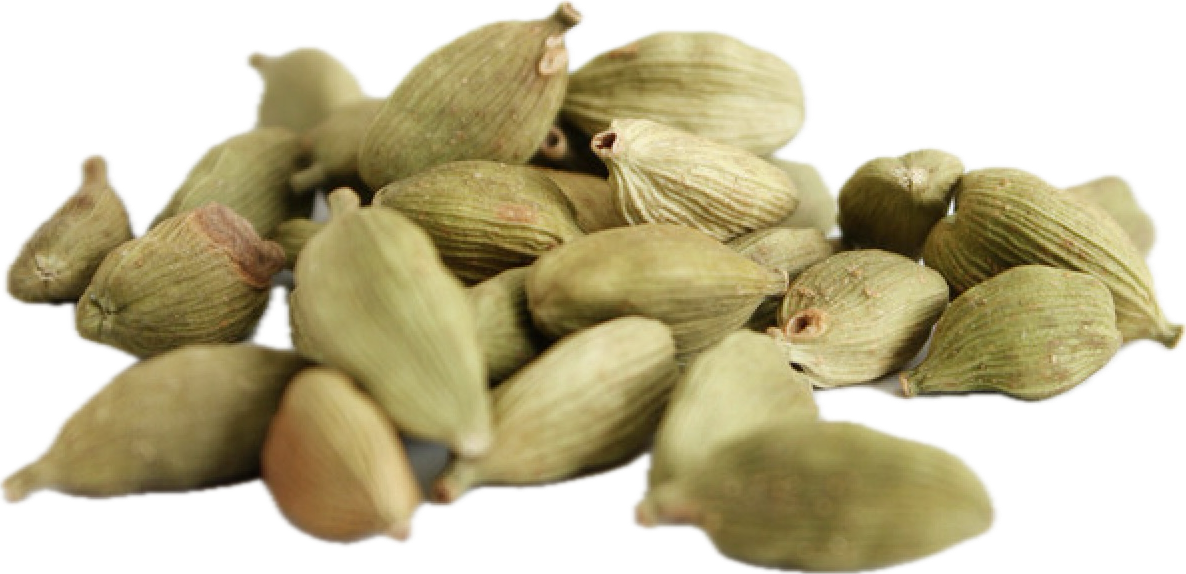
The Green Jewel of the Spice Trade

For centuries, the world has sought remedies to soothe life’s little discomforts, often turning to the Earth itself for solutions. Across continents and cultures, one particular spice found its place in the kitchens and apothecaries of ancient civilizations. A whisper of this ingredient’s magic could be found in the tales of traders who carried it from one bustling market to another, exchanging more than goods—they exchanged hope.

It began as a secret, growing wild in the humid rainforests of a distant land. Those who lived nearby believed in its remarkable properties: a balm for uneasy stomachs, a tonic for clear breaths, and even a cure for venomous bites. The truth about its worth, however, couldn’t be contained for long. Like a fine thread in a tapestry, this spice wove its way into the daily lives of those who discovered it, adding flavor to their meals and clarity to their minds.

The spice’s fame spread, carried by determined traders who ventured through jungles and over oceans. Arab merchants, keen-eyed and quick-witted, brought it into global commerce, ensuring its presence in the most elegant kitchens and revered medicine chests. By the time Portuguese explorers landed on its shores, its trade routes had already been established, leading back to the verdant hills of southern India, where it thrived in its natural, untamed glory.

In time, it became an empire within an empire. Kerala dominated its trade, its harvests meticulously overseen by rulers who recognized its value. Yet, as history often unfolds, colonial hands sought to control it, transplanting its cultivation to other lands. By the 20th century, a new contender emerged, far from its native soil. In the mountains of Guatemala, farmers began planting it as a secondary crop alongside coffee. Before long, it dethroned coffee as the most valuable agricultural export in the region.

Today, this remarkable spice is known not only for its culinary prowess but also for its ability to calm indigestion, promote clear breathing, and even brighten one’s mental clarity. A single drop of its oil can transform a dish, while its aroma fills rooms with a sense of warmth and comfort. Its versatility in food, medicine, and trade is a testament to its enduring legacy. And now you know the rest of the story—about the little green pod that started it all: Cardamom.