Using essential oils under the tongue is known as the sublingual route, which allows the oil to enter the bloodstream quickly through the tissues beneath the tongue. This method bypasses the digestive system, enabling faster absorption and more immediate effects. Essential oils taken this way can support various health benefits, including relaxation, immune support, and respiratory relief. However, it is crucial to use only high-quality, food-grade essential oils that are safe for internal use.
When applying essential oils under the tongue, tilt your head back slightly and carefully drip the oil without letting the dropper touch your lips. This prevents contamination and ensures a clean application. Allow the oil to absorb naturally without swallowing or drinking water immediately after, as this helps maximize its effectiveness. Some essential oils, such as peppermint or cinnamon, may feel intense, so dilution with a carrier oil like fractionated coconut oil may be necessary for a more comfortable experience.
Beyond immediate absorption, sublingual use of essential oils may enhance overall wellness by supporting the nervous and immune systems. Lavender (Lavandula angustifolia) is commonly used under the tongue for its calming effects and potential respiratory benefits. It may help soothe occasional throat irritation and promote relaxation. Incorporating this method into a wellness routine can provide fast-acting relief for stress, respiratory concerns, and overall balance.
Essential oils can be applied along the spine to help ease back pain and relieve pressure. When massaged into the spinal column, the oils are absorbed into the skin and work to soothe discomfort by targeting muscles and nerves. This method allows the essential oils to penetrate deeply, offering potential relief for tension, stiffness, and inflammation. Many people use this technique as part of a daily routine to support spinal health and overall well-being.
For optimal results, essential oils with soothing and anti-inflammatory properties should be used. Blends that include Wintergreen, Camphor, Peppermint, Blue Tansy, and Helichrysum are particularly effective. These oils work together to relax muscles, reduce swelling, and promote better circulation. Applying them with a carrier oil and massaging them along the spine can provide lasting benefits. This method is commonly used for back problems, soreness after physical activity, or general spinal support.
In addition to its soothing effects, applying essential oils along the spine may contribute to nervous system regulation. The spine houses the spinal cord, which transmits messages between the brain and the body. Essential oils can interact with nerve endings, potentially enhancing relaxation and reducing stress. Blue Tansy (Tanacetum annuum), in particular, has been studied for its anti-inflammatory properties, making it a valuable ingredient in spinal care blends. Incorporating essential oils into a massage routine may support both physical and emotional well-being.
It was a cold winter evening in the late 18th century when a young French chemist named Antoine Baumé began experimenting with the oils of an exotic spice. His research, focused on its strong, spicy aroma, revealed that just a small amount of this oil could transform ordinary remedies into something extraordinary. What made this discovery remarkable was how it seemed to heighten the senses, soothe discomfort, and even energize the weary. But Baumé, a man of few words, left his notes mysteriously vague, leaving the spice’s legacy to drift into obscurity—for a while.
Centuries earlier, in ancient Egypt, Pharaohs demanded that this spice be included in their burial rites. Its aroma, earthy yet sweet, filled the air during rituals, symbolizing both purification and preservation. Priests burned it in temple offerings, believing its scent could carry prayers to the heavens. While frankincense and myrrh often stole the spotlight, this spice stood silently in the background, a humble hero in the halls of Egyptian mysticism.
In the Bible, this spice was mentioned multiple times as a symbol of wealth, sacredness, and divine favor. Moses used it in the anointing oil for the Tabernacle, mixing it with other spices to create a fragrance both holy and unforgettable. The book of Proverbs spoke of its value, and it became synonymous with wisdom and health. Over time, merchants from the East carried it to Europe, where kings and queens clamored for its warmth and richness.
Fast forward to the 15th century, and Christopher Columbus encountered a mystery spice in the New World. Though it was not the spice he sought—cinnamon—it bore a striking resemblance in both flavor and aroma. He brought it back to Spain, where it quickly became a favorite in kitchens, adding depth to savory and sweet dishes alike. Explorers and traders were enchanted by its versatility, yet its true origin remained a closely guarded secret.
In 1819, English herbalist Nicholas Culpeper wrote of the spice’s remarkable medicinal properties. According to Culpeper, its oil could soothe indigestion, relieve chills, and fortify the immune system against seasonal threats. He recommended mixing it with water or wine for digestive relief or combining it with honey to calm a sore throat. While cinnamon was the darling of herbal medicine, this spice became its quieter but equally powerful cousin.
In kitchens across Europe and Asia, bakers discovered that just a drop or two of this spice could elevate pies, breads, and desserts to new heights. It offered a richer, deeper flavor than cinnamon, with a hint of fiery sweetness that lingered long after the last bite. It wasn’t just for food, though. Blended with clove and ginger, its oil became a staple in wintertime rituals, warming homes and hearts alike.
By the 20th century, essential oil practitioners rediscovered this ancient treasure. Aromatherapists praised its ability to boost the immune system and calm the mind. Fitness enthusiasts began using it in water to ward off hunger cravings, while others added it to their wellness routines for digestive support. Its strong, spicy scent became a favorite in fall and winter diffuser blends, evoking feelings of warmth, comfort, and nostalgia.
But what made this spice truly unique was its resilience. Growing wild in the forests of Southeast Asia, the plant thrived in conditions where few others could survive. Its hardy bark and leaves were as unyielding as its aroma was inviting. For centuries, its strength and vitality inspired those who used it, whether for cooking, healing, or spiritual practices.
And now, with all the clues before you—the sacred oils of ancient Egypt, the fiery warmth of fall recipes, the misunderstood spice sought by explorers—you might think we’re talking about cinnamon. But we’re not.
The unsung hero of this tale is Cassia. A close relative to cinnamon, Cassia’s bold, spicy oil has traveled through history, quietly transforming lives with its warmth and strength. And now, as Paul Harvey would say, you know the rest of the story.
Essential oils can be used through inhalation, which is the fastest route for them to enter the body. When inhaled, the oil’s molecules travel through the olfactory nerves in the nose directly to the brain. This process allows the brain to quickly send signals via the nervous system to areas experiencing pain, stress, or anxiety. Aromatherapy is widely used for emotional and physical well-being because of this direct connection between scent and neurological response.
There are several ways to use essential oils through smell. A diffuser is one of the most effective methods, dispersing tiny oil particles into the air for continuous inhalation. Another method is to inhale directly from the bottle or cap, which provides a quick and concentrated dose of aroma. Additionally, placing a few drops in the palms of your hands, rubbing them together, and cupping them over your nose allows for a personal and immersive experience. This method is particularly useful for on-the-go relief from stress, fatigue, or congestion.
Lemon essential oil (Citrus limon) is a popular choice for aromatherapy due to its uplifting and refreshing scent. It is commonly used to boost mood, improve focus, and cleanse the air. However, caution should be taken when using lemon oil topically, as it can cause extreme skin irritation and increases sensitivity to sunlight. If applied to the skin, it is recommended to avoid direct sunlight for up to 12 hours to prevent burns or irritation. Despite this, lemon oil remains a versatile and beneficial essential oil for both aromatic and topical applications.
Essential oils are absorbed transdermally through the skin’s pores, allowing their beneficial properties to take effect. Some essential oils are gentle and soothing, while others are considered “hot” and can cause irritation. To ensure safe application, it is essential to have fractionated coconut oil available to dilute stronger oils. When applying multiple oils, allow a few minutes between each layer to let the skin absorb the properties of each oil properly.
When using essential oils on the skin, it’s important to consider factors such as skin sensitivity and the purpose of the oil. Always perform a patch test before using a new oil to check for any reactions. Dilution is key for safe application, especially with potent oils like oregano or cinnamon. Additionally, essential oils should be applied to pulse points or problem areas for targeted benefits. For enhanced absorption, gently massaging the oil into the skin can improve circulation and effectiveness.
One particularly beneficial oil for skincare is Roman Chamomile (Anthemis nobilis). This essential oil is known for its calming and soothing properties, making it an excellent choice for irritated or sensitive skin. It can help reduce redness, inflammation, and minor skin discomfort. Roman Chamomile is also popular for promoting relaxation, making it a great addition to nighttime skincare routines.
Nine years ago, I was introduced to something that has transformed my life: essential oils.
Yes I was a big skeptic about them at first, but I now use essential oils on a daily basis in every area of my home, and they have completely changed my life! My medicine cabinet has been completely transformed, and I am now empowered with the tools and knowledge to care for my family.
When I realized I could get free products AND create residual income? I got really excited!
As a result, of my essential oil journey, and passion helping others, I’m ready to help you get started with your essential oil journey as well.
The best part about essential oils is that there is an option for everyone, whether you want to simply enjoy the products for yourself and transform your family’s health (and get free stuff in the process) OR you’re ready to build a team, create residual income, and get out of debt.
If any of these options sound appealing to you, let’s chat!
I’ll help you figure out which option will be the best fit for you, plus you can qualify for some awesome incentives in the process.
I can’t wait to talk to you!
I love sharing essential oils
Please text Free Sample or call me at 801-661-4786
I will be sure to get back to you as soon as possible.
Or
Send me an email at lfish64@yahoo.com
with the heading Free Sample
It will be an honor to help you in any way that I can.
Or
Write a letter requesting a Free Sample to
Leonard Fish
5075 Rushton Acres Court
West Valley City, Utah 84120
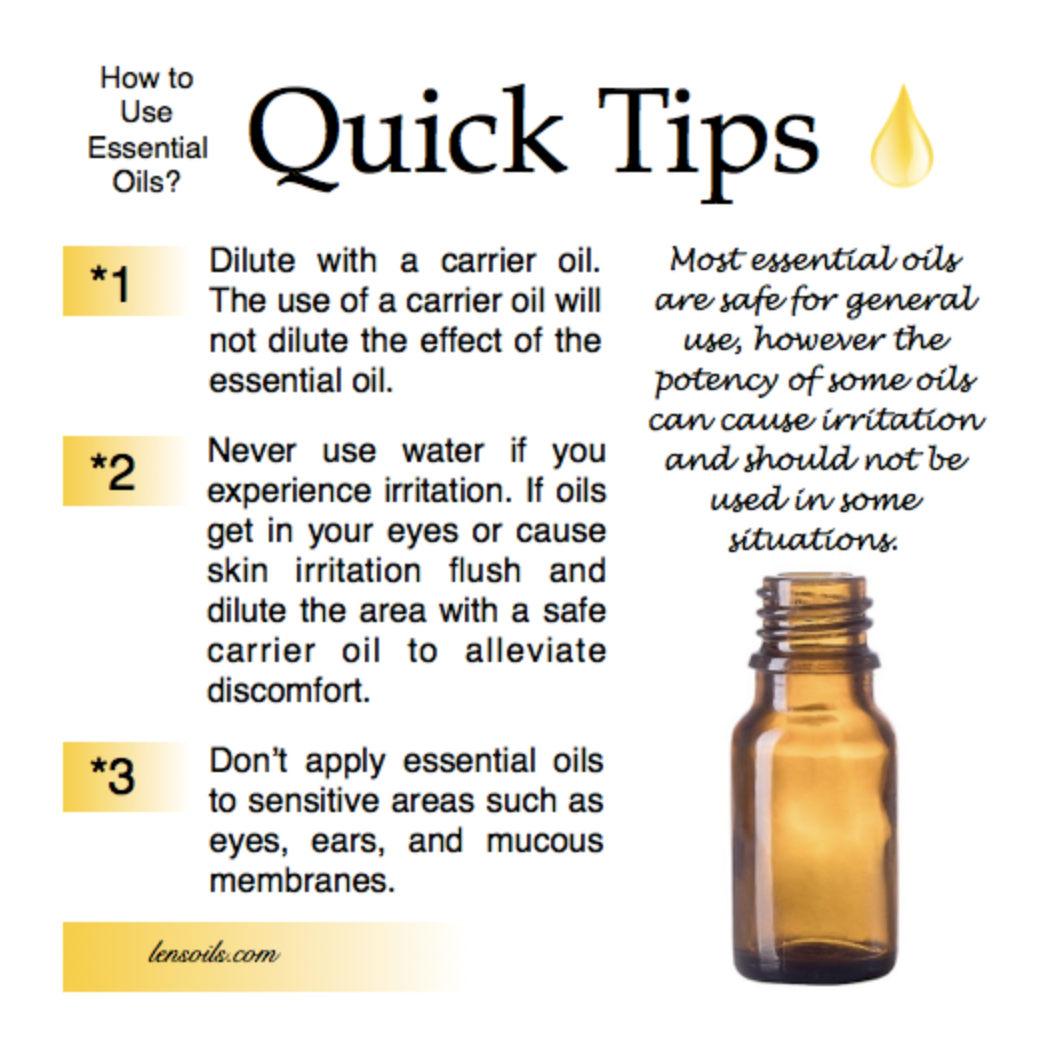
Essential oils are highly concentrated and should be used with care. Always dilute essential oils with a carrier oil, such as coconut, almond, or jojoba oil, before applying them to the skin. This helps prevent irritation without reducing the effectiveness of the oil. While most essential oils are safe for general use, some, like cinnamon or oregano, are particularly potent and may cause skin sensitivity. To test for any adverse reactions, perform a patch test by applying a small amount of diluted oil to a small area of skin and waiting 24 hours.
If essential oils come into contact with your eyes or cause skin irritation, do not rinse with water, as this can spread the oil and worsen irritation. Instead, flush the area with a carrier oil to help dilute and soothe the affected skin. Additionally, avoid applying essential oils directly to sensitive areas such as the eyes, ears, and mucous membranes. When diffusing essential oils, ensure proper ventilation and use recommended amounts to prevent overpowering scents or respiratory discomfort. Always research the safety guidelines for each essential oil, especially if using them around children, pets, or individuals with allergies.
The feet provide one of the safest and most effective ways to absorb essential oils into the body. The large pores on the soles allow oils to be quickly absorbed and distributed throughout the system, making foot application both fast and convenient. Many reflexologists believe that the bottoms of the feet contain reflex points that correspond to different organs, meaning essential oils applied to specific areas may offer targeted support. Simply rub 1-3 drops of essential oil onto the soles of the feet, then rub them together to evenly distribute the oil. This method is particularly useful before bed, as oils like lavender or cedarwood can help promote relaxation and restful sleep.
Because the skin on the feet is thicker than other areas of the body, it’s generally safe for most essential oils, but some, like oregano oil, should be diluted due to their potency. Mixing oregano, tea tree, or eucalyptus essential oil with fractionated coconut oil can be beneficial for foot health, helping to cleanse and support the skin. Essential oils applied to the feet can also provide warmth and circulation support—peppermint or ginger oil, for example, can create a warming or cooling sensation, depending on personal needs. Whether for relaxation, immune support, or overall wellness, applying essential oils to the feet is a simple yet powerful way to experience their benefits.
Essential oils can be used in water to support digestion, hydration, and overall well-being. When added to drinking water, essential oils such as lemon, peppermint, or ginger may aid the digestive system by soothing occasional stomach discomfort and supporting nutrient absorption. A drop of peppermint oil in a glass of water can provide a cooling effect on hot days, helping to refresh and energize the body. Additionally, some essential oils, like tea tree or clove, may offer soothing relief when gargled in water, making them a natural option for addressing minor throat irritation.
When using essential oils in water, it’s important to follow safety guidelines to maximize benefits. Always use glass or ceramic containers, as essential oils can degrade plastic and Styrofoam, potentially leaching harmful chemicals into the liquid. Since essential oils are highly concentrated, only a drop or two is needed per glass of water, and they should always be thoroughly mixed before drinking. For a more enjoyable experience, citrus oils like wild orange or grapefruit can be added to enhance the flavor while also providing their cleansing and invigorating properties.
Do you want to expand your health options? Try using natural essential oils.
Request a a Free Sample.
Please text Free Sample or call me at 801-661-4786 I will be sure to get back to you as soon as possible. Or Send me an email at lfish64@yahoo.com with the heading Free Sample It will be an honor to help you in any way that I can. Or Write me a letter, request a Free Sample
Leonard Fish 5075 Rushton Acres Court West Valley City, Utah 84120 USA








 Len's Oils