Category Archives: Essential Oil Information

Lime-Did You Know?

lime

Did you know Lime essential oil is the oil of zest for life? Lime permeates the soul with enthusiasm for life, when a person has been overwhelmed by discouragement or deep sorrow. Lime elevates them above their difficulties, and reminds them to have gratitude for the gift of life. This oil encourages balance between the heart, and mind.

Limes probably originated in Indonesia or the nearby mainland of Asia? Limes were introduced to the western Mediterranean countries by returning crusaders in the 12th and 13th centuries. Columbus took citrus-fruit seed, probably including limes, to the West Indies on his second voyage in 1493, and the trees soon became widely distributed in the West Indies, Mexico, and Florida.

Scottish naval surgeon Sir James Lind discovered by his observation of long-haul sailors that citrus fruits wiped out the horrible scurvy. This disease is caused by a lack of vitamin C, which had destroyed the British navy more than any enemy. It was noted that seamen that drank lime juice dramatically reduced their mortality rate.

Cold-pressed from the peel of fresh limes, Lime essential oil is refreshing, and energizing in both aroma, and taste. Limes are frequently used in entrées, and beverages for their fresh, citrus flavor. Lime essential oil contains powerful antioxidants that ward off free radicals, and enhance immunity.

Due to its high limonene content, Lime provides internal cleansing benefits, and can be diffused to help purify the air. It’s also an effective and natural surface cleaner. Lime is known for its ability to uplift mood, and balance and energize the mind, and body. Lime is frequently used in facial and body cleansers for its purifying properties, and uplifting scent.

 

Rose-Did You Know?

Red roseDid you know rose oil holds a higher frequency than any other oil on the planet? Rose essential oil is the Oil of Divine Love. It is a powerful healer of the heart. It supports a person in reaching toward heaven, and connecting with Divine love. Rose teaches the necessary need for Divine grace, and intervention in the healing process.

Roses have a long and beautiful history. They have been symbols of beauty, love, and war. According to fossil evidence, the rose is 35 million years old. In nature the genus Rosa has some 150 species spread throughout the Northern Hemisphere. Roses started appearing in gardens 5000, years ago in China and the Middle East.

Before the sun greets the morning, workers can be found in fields harvesting the delicate bloom of the Rosa damascena. The labor-intensive production process has a very low yield; it takes approximately 1,160,000 freshly picked rose petals to produce only one ounce (30 mL) of Rose essential oil. Because the petals are so delicate, the distillation process must happen the same day that the flower is harvested. But from this labor comes an essential oil known for its hydrating properties.

Rose essential oil not only helps balance moisture levels in skin, but also supports the skin’s elasticity, reduces the appearance of skin imperfections, and promotes healthy and even skin tone. The uplifting aroma of Rose is an intriguing mixture of depth, and complex sweetness. Diffuse in the morning to promote energy and vitality.

Cumin-Did You Know?

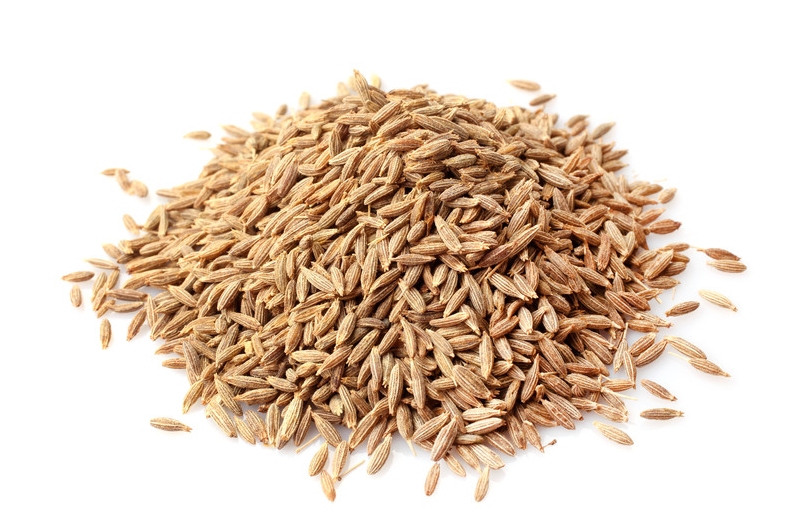
Cumin The Did You Know GuyDid you know Cumin was used in the ancient Egyptian mummification process? Marcus Antoninus 16th emperor of Rome was given a nickname that referenced the herb as someone miserly must have eaten cumin, and symbolized excessive desire. Pliny the Elder, a Roman naturalist who lived between 23 AD and 79 AD was said to have listed Cumin as “the best appetizer of all condiments.”

The history of Cumin goes back over 5000 years. from Iran and the Mediterranean. Cumin is a small seed that comes from the Cuminum cyminum herb, a member of the parsley family. This seed has a distinct flavor, and warm aroma. It is a major ingredient in chili powder as well as curry powder. According to the Bible, Cumin had such a powerful medicinal value that it could be used as money!

Cumin has an overpowering smell and should be used very sparingly. Yet it is considered non-toxic, non-irritant and non-sensitizing. It does have photo-toxic qualities, so it should not be used when the skin will be exposed to sunlight. Photosensitization, and photo-toxicity can occur when certain essential oils react when exposed to Ultraviolet UVA light. Inflammation, blistering, and reddening/burning of the skin are common.

Cumin is useful as a warming oil and helps relieve muscular pains and osteoarthritis. In the digestive system, it is a stimulant that helps with colic, dyspepsia, flatulence, bloating and indigestion. For the nervous system, it is a tonic, and has a beneficial effect on headaches, migraines, and nervous exhaustion.

Oregano-Did You Know?

Oregano

Did you know the word “oregano” comes from the Greek phrase, “joy of the mountains?” Oregano is the oil of humility and non-attachment. Oregano cuts through the less important parts of life and teaches people to do the same. Oregano is a powerful oil, and may even be described as assertive or intense. Oregano addresses an individual’s need to be “right.”

Ancient Greek physicians discovered that oregano had beneficial properties, and prescribed it for a variety of ailments. Hippocrates used it as well, as its close cousin, Marjoram, as an antiseptic. Just married couples were crowned with wreaths of it. It was also put on graves to give peace to departed spirits.

The use of oregano later spread throughout Europe and much of Northern Africa. In these regions it was used as a spice for meats, fish, and a flavoring for wine. In the middle ages people continued to use it. Oregano was one of few spices used in cooking to give variety to the daily meals.

In spite of its use in England, Oregano was little known in the United States prior to the Second World War. Soldiers discovered the flavors, and aromas during the Italian Campaign, and brought back the spice, and the desire for it. The oregano sold on the spice racks of stores today, is usually made up of several varieties.

Oregano is one of the most potent and powerful essential oils, and has been used for centuries in traditional medicine for its cleansing and immune-boosting properties. The primary chemical components of Oregano are carvacol, and thymol, both in the Phenols group, which possess purifying, and antioxidant properties. Due to its high phenol content, caution should be taken when inhaling or diffusing Oregano; only one to two drops is needed. Additionally, Oregano should be diluted with fractionated coconut oil when applied to the skin.

Oregano essential oil contains phenols—powerful antioxidants that ward off free radicals. One drop taken daily can help maintain healthy immune function; Oregano should be taken more frequently when seasonal threats are high, or as needed to further boost immunity. In addition to being a popular cooking spice, Oregano supports healthy digestion by promoting the secretion of digestive juices. When diffused, Oregano acts as an enhancer and equalizer in essential oil blends, and can help maintain healthy respiratory function.

Melaleuca-Did you Know?

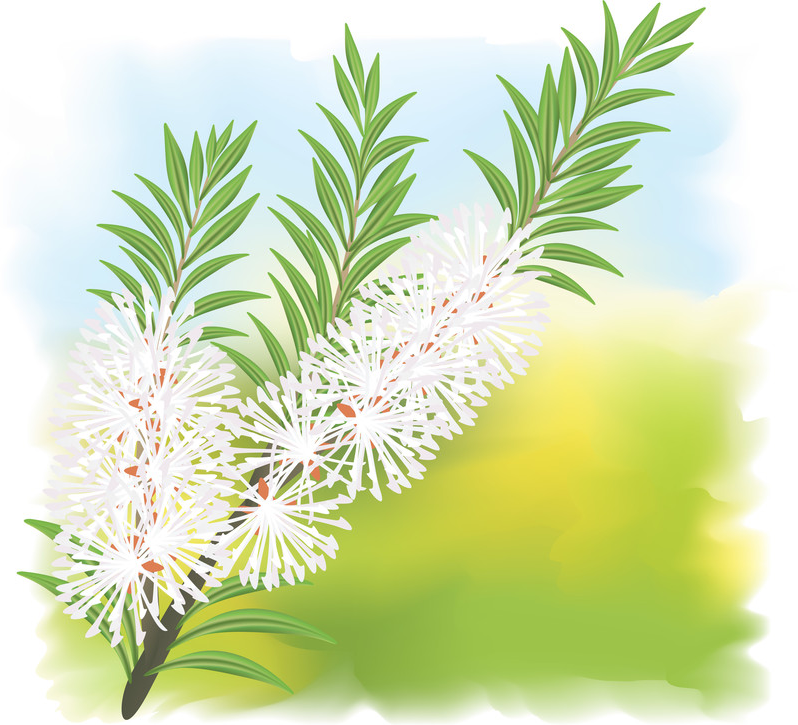
Melaleuca (Tea Tree)Did you know melaleuca essential oil has over 92 different compounds and limitless applications? Melaleuca is the oil of energetic boundaries. A natural disinfectant, Melaleuca clears the baggage from the negative energy. It clearly releases codependent and toxic relationships. Melaleuca encourages people to connect with each other in a positive way.

For many centuries, the native Aborigines of Australia used the therapeutic oil of the Melaleuca trees for a wide range of topical and oral applications. They crushed the leaves to use as rubbing mediums and mixed them with clay to form poultices, and even bathed in the water that had collected under the trees. When the white settlers came, they watched and learned how to use the leaves for their own healing purposes.

It was most unfortunate for people in the west that there was no documented evidence of the use of Melaleuca oil. It was to remain confined to Australia, as a bush remedy, for the next 150 years. In 1922, however, an Australian chemist, Arthur Penfold and his team, distilled the oil from the Melaleuca alternifolia, and subsequently published a paper stating that it had a wide-rang of antibacterial and anti-fungal activity.

During the Second World War Melaleuca oil was in such short supply that all the available supplies of oil were used to help stop infections from the unavoidable war wounds, both in soldiers and munitions workers that were helping with the war effort. Soon it was considered necessary that a cheaper, more readily available, alternative should be manufactured to help stop the spread of germs. The once thriving industry went into a steep decline until recently. Over the past few years it has made a huge come back.

Melaleuca is best known for its purifying properties. It can be used to cleanse and purify the skin, nails, and to promote a clear, healthy complexion. Taken internally, Melaleuca enhances immunity when seasonal threats are high, and Melaleuca can be used on surfaces throughout the home to protect against environmental threats. Melaleuca is frequently used on minor skin irritations to soothe the skin, and help it recover quickly. Diffusing Melaleuca will help purify, and freshen the air.

Melissa-Did You Know?

Melissa Lemon Balm
Did you know Melissa is Greek for “honey bee”? Melissa essential oil is the oil of light. Melissa oil brings to mind truth, and light to the soul. It reminds us of who we are, and why we came to this earth. Melissa invites people to release everything, and anything that holds them back from reaching their greatest potential. When people are feeling weighed down with life’s burdens, Melissa encourages them to keep going.

Melissa also know as Lemon balm has become popular with continued use through the years. So widespread was lemon balm’s reputation for promoting longevity, and dispelling melancholy that by the 17th century, French Carmelite nuns were giving out their Carmelite Water to a faithful following. The lemon-balm infused “miracle water” was thought to improve memory, vision, reduce rheumatic pain, fever, melancholy, and congestion.

In the mid 1500’s to 1700’s when the colonization of the North American continent was occurring, the settlers brought tools, and equipment over with them but more importantly they brought their cherished medical herbal books, and healing plants as well. Lemon balm was one of these herbs of great importance for its many uses. The colonist used lemon balm for cooking, and flavoring, for beverages such as teas and wines, medicine, cosmetic, and house- hold uses such as cleaning, and aromatic uses.

Because of its positive effect on mood, Melissa has long been used to calm tension, and nerves. Diffusing Melissa at night initiates a restful sleep, and promotes emotional, and cognitive health. Melissa helps boost immunity and is especially beneficial when seasonal threats are high. Melissa can also soothe stomach discomfort and help with nausea and indigestion. As one of our rarest and most expensive oils, Melissa has a wide range of health benefits and uses.

Marjoram-Did You Know?

Marjoram

Did you know Marjoram essential oil is the oil of Connection? Marjoram assists people who are unable to trust others or form a serious relationship. Being unable to trust often originates from unpleasant life experiences. Marjoram teaches that trust is the foundation for all human relationships.

Marjoram is surrounded by mythology. People thought marjoram was created by the greek goddess Venus who gifted it with its pleasant sweet flavor and aroma. This is one of the most desired sought after herbs by Aphrodite. People believed that when an unmarried girl kept a marjoram plant in her bed she would see Aphrodite in her dreams, who would then reveal to her, a prospective husband.

By the middle ages, marjoram was worn by couples as garlands to represent love, warm respect, and contentment. It was also added in the food to encourage devotion. Due to its sweet aroma, it was frequently used as deodorant and carried in bouquets and sweet bags. People of England used marjoram as a preservative.

Marjoram was known to the Greeks and Romans as a symbol of happiness. Marjoram has been used in culinary dishes, imparting a unique flavor to soups, stews, dressings, and sauces. In Germany, Marjoram is known as the “Goose Herb” for its traditional use in roasting geese.

In traditional Austrian medicine, Marjoram was used to promote gastrointestinal health and to purify the skin. In modern applications, Marjoram is valued for its calming properties, and for its positive effect on the nervous system. It also soothes tired, stressed muscles, and supports both healthy cardiovascular, and respiratory systems.