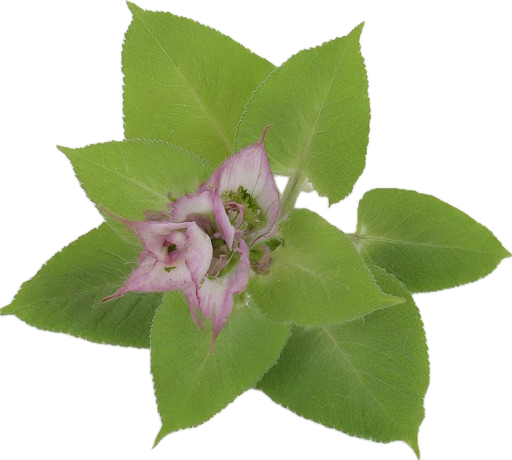
It was a time when medicine was crude and knowledge of plants held the key to survival. For centuries, a certain herb grew wild across the Mediterranean, its soft, green leaves soaking in the sun, its pale purple blossoms opening to the morning light. The people who harvested it found something remarkable—when crushed and steeped in water, its leaves released a fragrance unlike any other.
But its true power wasn’t in its scent. Healers of old discovered that this plant had a peculiar effect on the mind—it soothed frayed nerves, lifted the weight of sorrow, and even seemed to sharpen vision. The ancient Greeks and Romans recorded its medicinal properties, and during the Middle Ages, it was cultivated in monastery gardens for use in herbal remedies. Physicians of the time prescribed it for ailments ranging from digestive issues to eye conditions, leading to its reputation as a powerful healing herb.
By the 16th century, this humble plant had made its way into the apothecaries of Europe. A renowned German physician and botanist, Leonhart Fuchs, documented its uses in one of the first comprehensive herbal medicine books of the Renaissance. Fuchs noted that the plant’s oil could calm the body and mind, ease muscle tension, and was beneficial for women’s health. Herbalists across Europe took note, and it became a staple in medicinal gardens.
Then, during the 18th century, a shift occurred. This plant’s oil became more than a remedy—it became an inspiration. A French perfumer named Jean-Louis Fargeon, best known for crafting fragrances for Queen Marie Antoinette, experimented with plant extracts to create complex and elegant scents. While historical records do not confirm that he specifically used this plant, perfumers of his era prized its ability to enhance floral notes and provide a soft, musky warmth. Over time, it became a valuable ingredient in perfumes and cosmetics, bridging the worlds of medicine and luxury.
In more recent times, scientists began to study what herbalists had long known. Research confirmed that this plant contained compounds capable of easing tension, promoting relaxation, and supporting skin health. It wasn’t just an old wives’ tale—this plant was, in fact, a treasure trove of natural benefits. Aromatherapists found that diffusing its oil before bed encouraged restful sleep, and mixing it with carrier oils created a soothing massage experience.
One person in particular helped bring this herb back into modern healing practices. A woman named Margaret Maury, a French biochemist and aromatherapist in the 20th century, studied the effects of plant oils on the body and mind. She played a key role in integrating essential oils into therapeutic massage and holistic medicine, emphasizing their ability to support emotional well-being. Her work helped revive interest in this remarkable plant, making it widely available to those seeking natural wellness solutions.
Today, this herb is found in wellness products, beauty treatments, and even hospital settings, where it is used to help calm patients. Its essential oil is cherished for its ability to soothe the skin, promote relaxation, and strengthen hair. A few drops in a warm bath with Roman chamomile create a stress-relieving soak. A diffuser can fill a room with its calming aroma before sleep, and when blended with fractionated coconut oil, it transforms into a rejuvenating massage treatment.
The tall, delicate plant with its soft, purple blossoms holds the secret to one of nature’s most soothing and restorative oils, Clary sage. From ancient healers to modern science, its power has remained undeniable for this remarkable herb, offering comfort, balance, and healing to those who seek it. And now you know the rest of the story.

 Len's Oils