
I have never yet met a healthy person who worried very much about his health, or a really good person who worried much about his own soul – John B. S. Haldane
I have never yet met a healthy person who worried very much about his health, or a really good person who worried much about his own soul – John B. S. Haldane
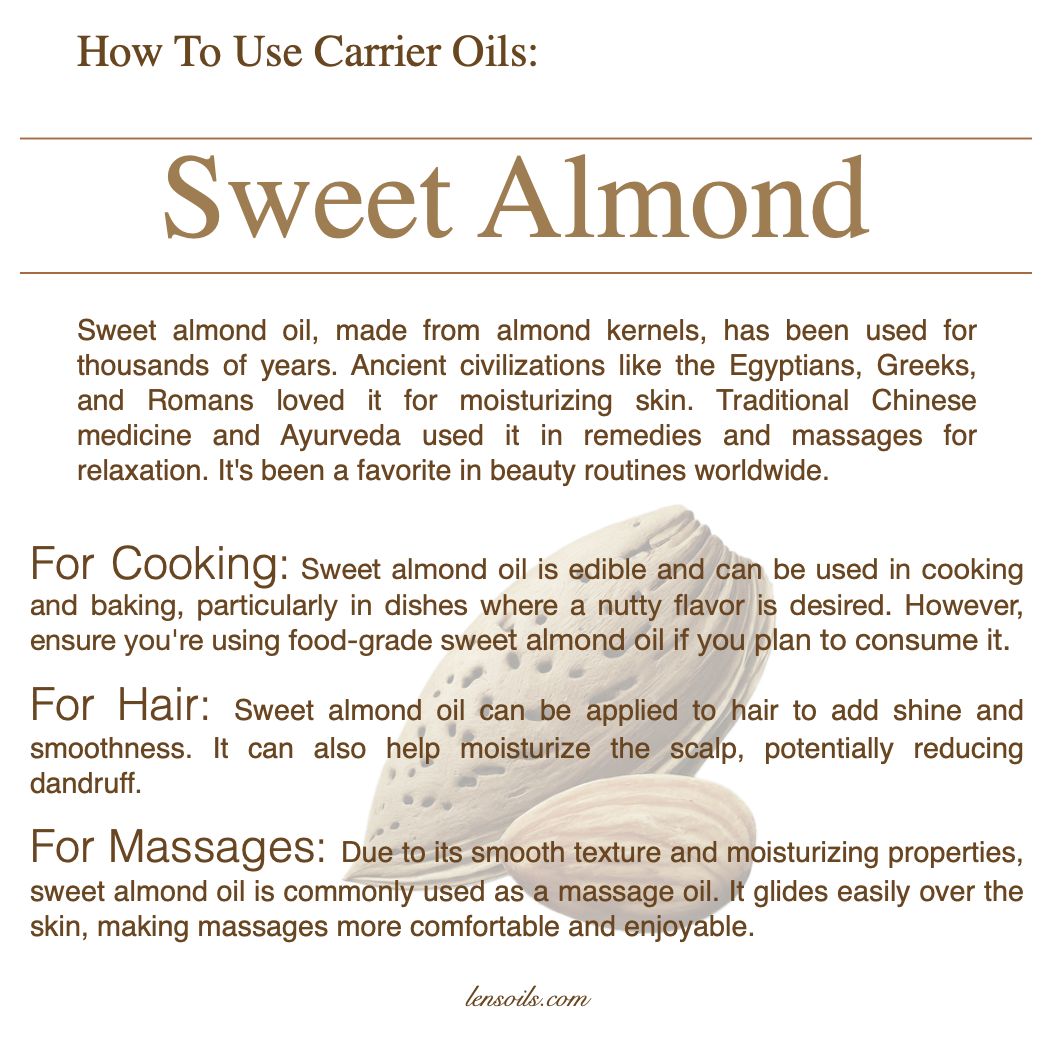
Sweet almond oil, derived from the kernels of almonds, has been valued for thousands of years across cultures for its skin-nourishing qualities. Ancient Egyptians, Greeks, and Romans used it as a natural moisturizer to soften and protect skin, a tradition that continues today. In traditional Chinese medicine and Ayurveda, sweet almond oil was also widely applied in therapeutic massages, as it is thought to have relaxation-promoting properties. Documented benefits of sweet almond oil include its high levels of vitamin E, fatty acids, and antioxidants, which contribute to its moisturizing and protective effects on the skin.
Beyond skincare, sweet almond oil is edible and used in cooking, particularly in dishes where a mild, nutty flavor enhances the recipe. However, only food-grade sweet almond oil should be consumed. In hair care, this oil is applied to add shine, smoothness, and scalp hydration, which may help reduce dandruff. Additionally, its smooth texture and ease of absorption make it a popular massage oil, offering both moisturizing effects and a gentle glide over the skin.

This verse is part of the purification ritual for someone healed from leprosy, symbolizing cleansing, renewal, and restoration.

For thousands of years, people from cultures like the Egyptians and Mayans have used rosehip oil in traditional medicine to help with stomachaches, heal wounds, and more. During World War II, when oranges were hard to find, rosehips became an important source of Vitamin C to help fight illness. Later, in the 1980s, scientists discovered rosehip oil’s benefits for sensitive skin, making it a popular choice in beauty products.
Rosehip oil can be used in many ways. For skin, it works as a light, quick-absorbing moisturizer for all types, leaving skin feeling soft and hydrated. Just add a few drops to your clean face and massage gently. For hair, rosehip oil adds moisture and shine; massage a few drops into your scalp and hair, leave it for 30 minutes to an hour, then shampoo as usual. For scars and stretch marks, applying a few drops and massaging it twice a day may help reduce their appearance over time.

Feed a cold starve a fever. Good Advice!

Raspberries are not just delicious; they are packed with essential nutrients like vitamins C and K, fiber, and powerful antioxidants that help protect and nourish your body. The oil extracted from raspberry seeds brings even more benefits, especially for your skin and hair. This natural oil is rich in moisturizing properties, promotes healthy hair growth, and has soothing anti-inflammatory effects. It’s a gentle, effective way to give your skin and hair the care they deserve, helping you feel refreshed and revitalized.
For your face, just a few drops of raspberry seed oil, used morning and night, can make all the difference. It’s a non-greasy, easily absorbed moisturizer that leaves your skin feeling soft and smooth. You can mix it with your makeup remover, facial cream, or even add it to face masks or lip balms for an extra nourishing boost. For your hair, adding 2-3 drops to your shampoo, conditioner, or directly to your scalp or ends can promote shine, strength, and overall health. When it comes to your body, mix it with your lotion, sunscreen, or bath gel, or simply use it on its own for a luxurious, all-over moisturizing treatment. Your skin will feel deeply hydrated, and your hair will have that healthy glow and softness.

Enjoy these fun diffuser blends for Halloween

All he wanted was candy.
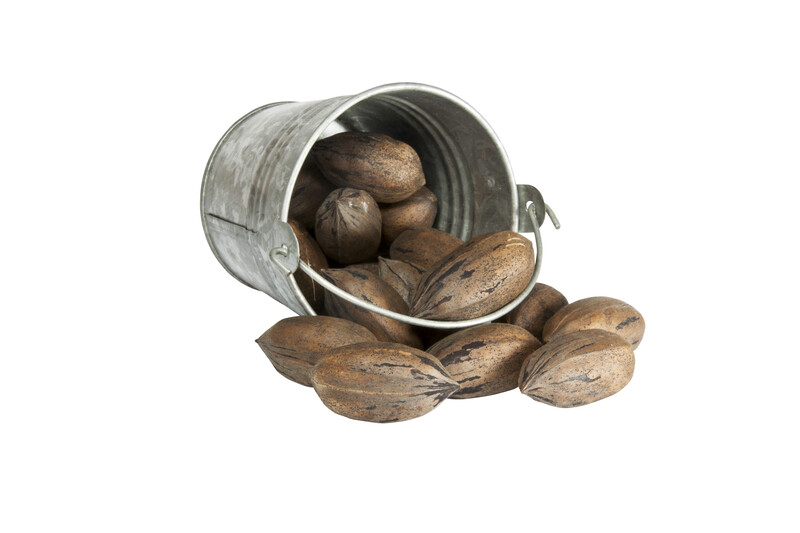
On the outskirts of town there was a big old pecan tree by the cemetery fence. One day two boys filled up a bucketful of nuts and sat down by the tree, out of sight and began dividing the nuts.
“One for you, one for me, One for you, one for me” said one boy.
Several were dropped and rolled down toward the fence. Another boy came riding along the road on his bicycle. As he passed, he thought he heard voices from inside the cemetery, and he slowed down to investigate. Sure enough, he heard “One for you, one for me. One for you, one for me.” He just knew what it was. “Oh, my,” he shuddered, “it’s Satan and the Lord dividing souls at the cemetery.”
He Jumped back on his bike and rode off. Just around the bend he met an old man with a cane, hobbling along. “Come here quick,” said the boy, “you won’t believe what I heard. “Satan and the Lord are down at the cemetery dividing up the souls.” The man said, “Beat it kid, can’t you it’s hard for me to walk?” When the boy insisted, though, the man hobbled to the cemetery.
Standing by the fence, they heard, One for you, one for me. One for you, one for me.” The old man whispered, “Boy, you’ve been telling the truth. Let’s see if we can see the devil himself.” Shaking with fear, they peered through the fence, yet we’re still unable to see anything. The. The old man and the boy gripped the wrought iron bars of the fence tighter and tighter as they tried to get a glimpse of Satan.
At last they heard, “One for you, one for me. And one last one for you. That’s all. Now let’s go get the nuts by the fence, and we’ll be done.”
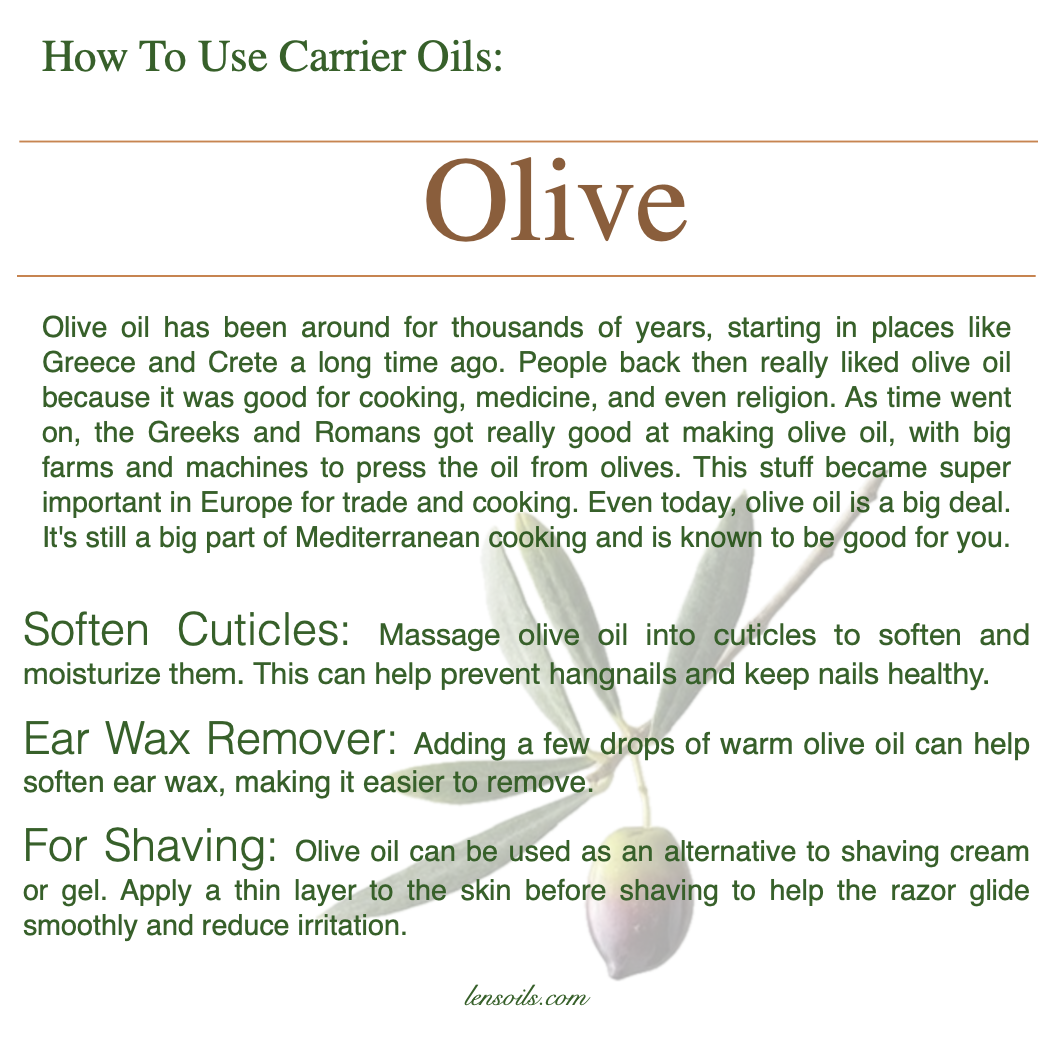
For thousands of years, olive oil has been a superstar, starting in ancient Greece and Crete. People loved it for cooking, medicine, and even religious ceremonies. As time went on, the Greeks and Romans perfected their olive oil game, creating massive farms and machines to press olives like pros. This liquid gold became a huge part of European trade and cooking. Fast forward to today, and olive oil is still a kitchen favorite, especially in Mediterranean dishes, where it adds flavor, health benefits, and a touch of history to meals everywhere. Olive oil truly stands the test of time!
 Len's Oils