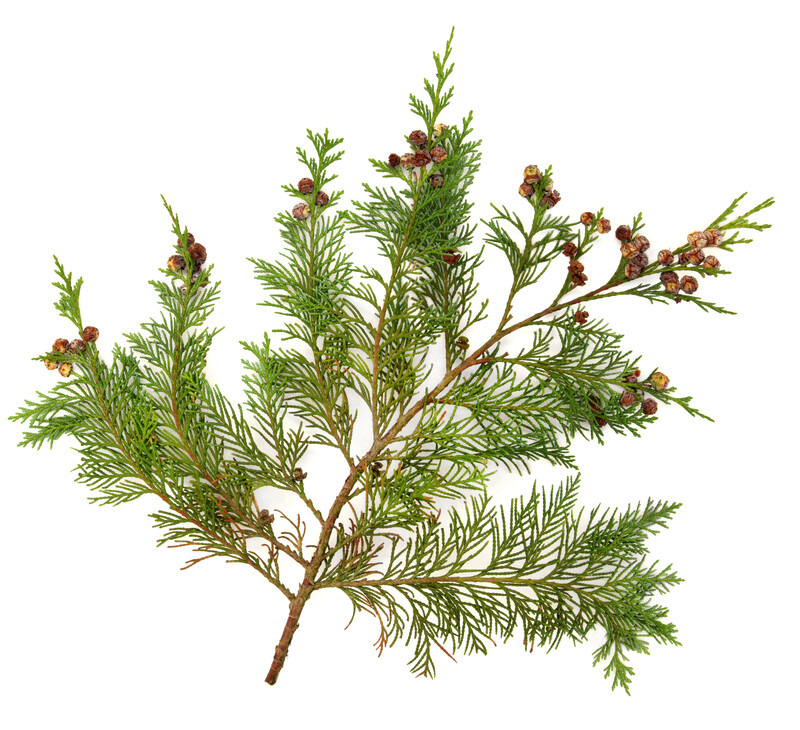
High in the mist-covered mountains of Lebanon, King Solomon’s builders labored. They sought wood that would withstand centuries, wood that was resistant to decay and filled the air with an unmistakable aroma. They chose carefully, for this wood would line the halls of the most magnificent temple ever built. It was a tree known for its strength, durability, and fragrance—a tree that had already been revered for generations.
Far to the south, the priests of Egypt knew of this tree as well. It was not merely prized for its timber but for something more—the oil that could be extracted from its heartwood. The Egyptians used this oil to embalm their dead, believing it would preserve not just the body, but the soul. The tombs of Pharaohs bore the scent long after their earthly kings had turned to dust.
Centuries later, the Roman scholar Pliny the Elder wrote of its properties. He documented its resistance to rot and insects, its deep, grounding fragrance, and the way its oil was used to anoint sacred objects. The Romans burned shavings of its wood in temples, letting the aroma drift skyward with their prayers.
In the American colonies, settlers recognized the same properties. They lined their closets with this wood, filling storage chests with its shavings. Why? Because its scent repelled moths and insects, protecting precious linens and heirlooms for generations. Even today, small blocks of this wood are placed in closets for the same reason.
By the 20th century, chemists began to examine the oil more closely. Among them was René-Maurice Gattefossé, the French scientist who pioneered aromatherapy. He recognized this oil’s ability to promote relaxation and soothe the mind. Blended into massage oils or diffused into the air, it provided a sense of calm after a long, weary day.
Meanwhile, outdoorsmen took note of another quality. Hikers and campers began using the oil as a natural insect repellent. A drop on a cotton ball, tucked into a tent or sleeping bag, kept unwanted pests at bay. It was yet another way this tree protected those who sought its benefits.
Modern dermatologists discovered its skincare potential. With astringent properties, it became a trusted ingredient in facial treatments, helping with oily skin. Those who suffered from occasional skin irritation found that just a few drops blended into lotions or carrier oils could provide relief.
And in households around the world, its scent filled the air—not just in wooden furniture, but in diffusers, candles, and soaps. It became a staple in spas, helping people unwind from the pressures of daily life. It was the quiet companion of relaxation, as it had been for thousands of years.
And now, with all the clues before you—the ancient temples, the chests lined with fragrant wood—you might think we’re talking about sandalwood or pine. But no, the unsung hero of this story is Cedarwood. With its grounding aroma and remarkable benefits, it has touched lives for centuries.
And now you know the rest of the story.
 Len's Oils