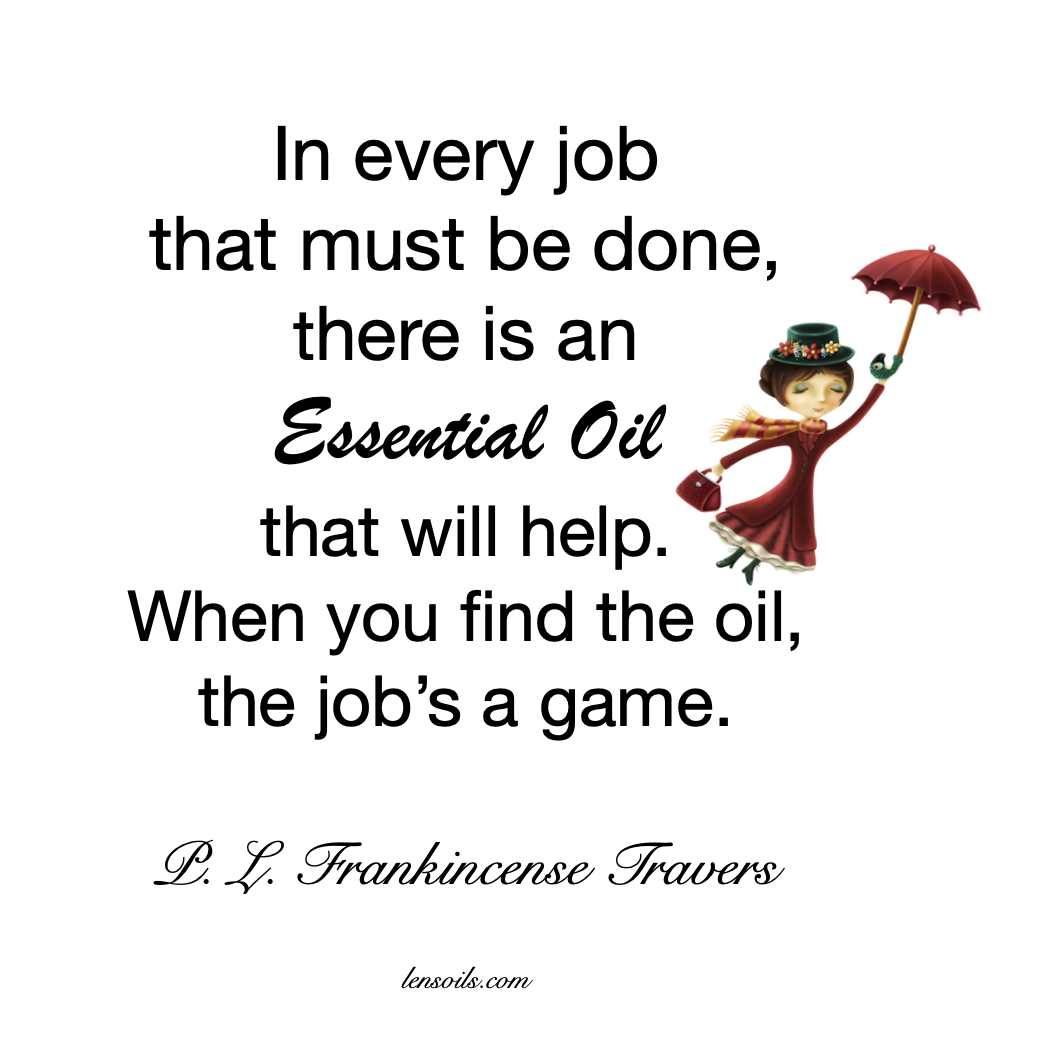
In every job that must be done, there really is an essential oil that will help — not because it magically finishes the job, but because it keeps you from sighing loudly, checking the clock, and questioning all your life choices. Find the right oil, and suddenly dishes feel competitive, laundry becomes a sport, and emails are answered with suspicious calm. Turns out the real magic isn’t the task becoming fun — it’s you staying sane long enough to finish it.
The Japanese proverb reminds us that the person who eats plain food is usually the healthiest — comforting news for anyone who orders rice without a speech. While others chase superfoods and trends, this wisdom points to simple meals, modest portions, and food that doesn’t need explaining. It’s quiet, unfashionable, and somehow keeps working year after year.
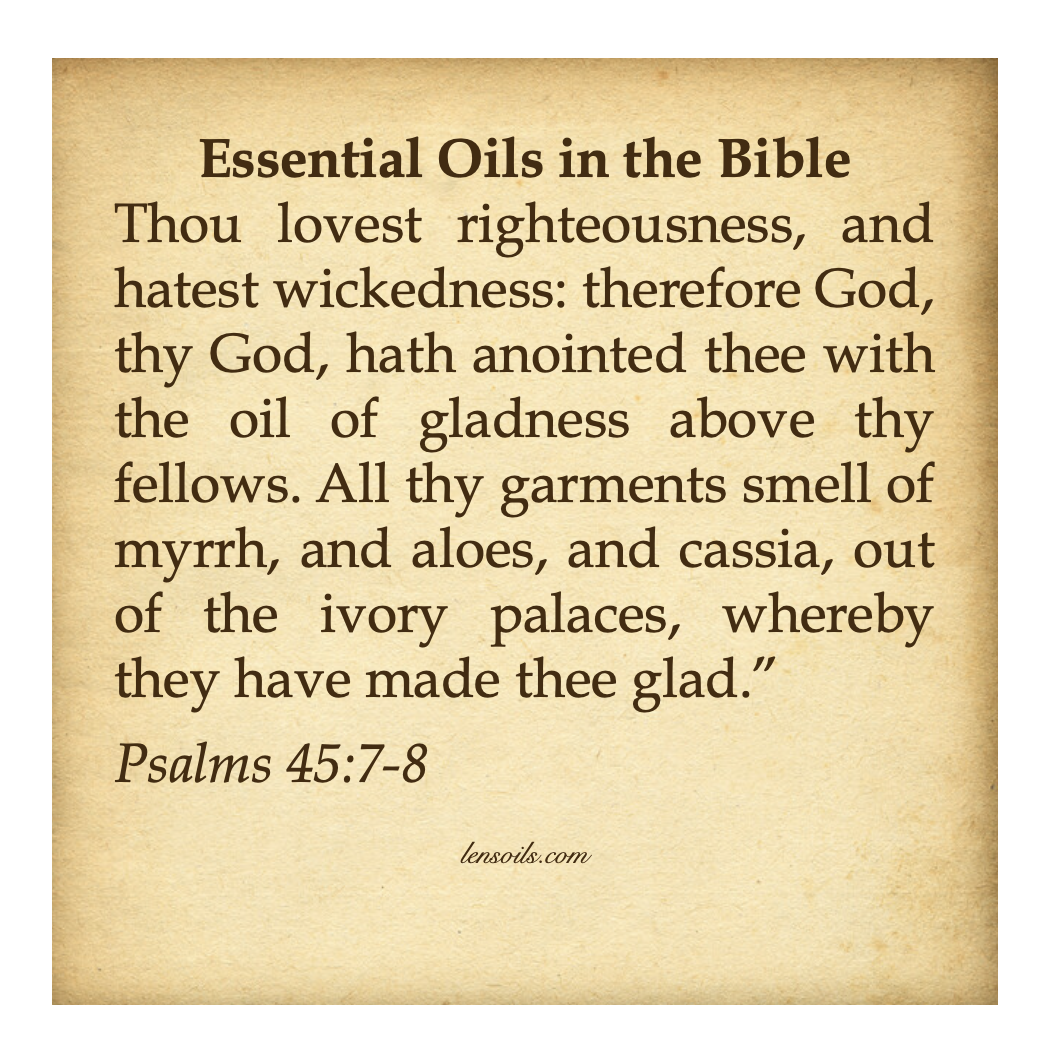
Psalm 45 was written as a royal wedding song, celebrating a king whose leadership was marked by justice, integrity, and joy. In the ancient Near East, kings were publicly anointed with oil as a sign of authority, favor, and divine approval. The “oil of gladness” in Book of Psalms reflects a real ceremonial act, where fragrant oils were poured as part of celebration, consecration, and honor. Joy was not only spoken of — it was seen, felt, and even smelled.
The mention of myrrh, aloes, and cassia points directly to essential oils known and prized in biblical times. These aromatic resins and woods were used in perfumes, sacred anointing oils, and royal garments, especially for important occasions. Clothing infused with these scents signaled abundance, joy, and distinction. The passage shows that fragrance was woven into spiritual life, leadership, and celebration, connecting righteousness with gladness through tangible, plant-based oils that lifted the senses and marked moments of divine favor.
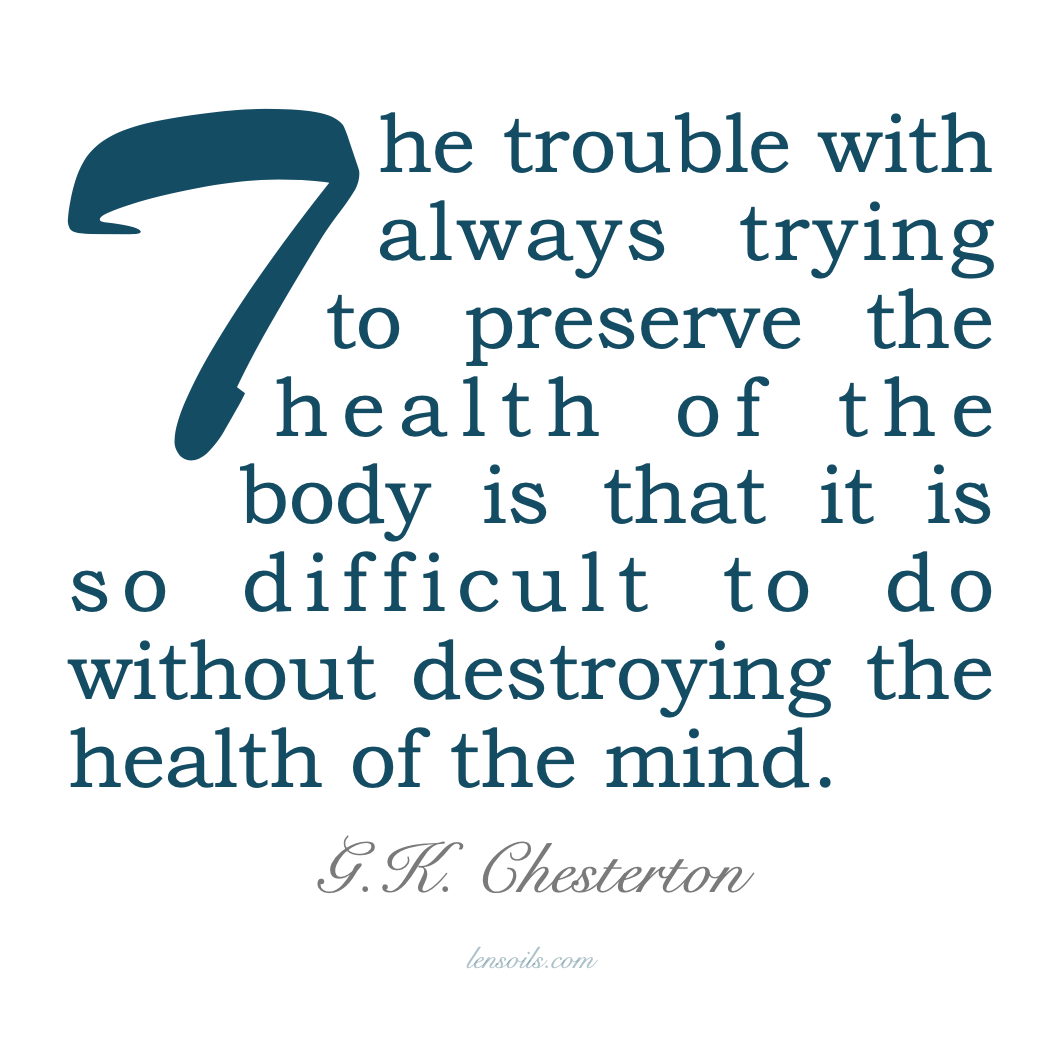
Chesterton nailed it: if you spend every waking moment trying to keep your body perfectly healthy, you may end up mentally exhausted and afraid of birthday cake. When health turns into constant monitoring, the mind never gets a day off. Real wellness leaves room for laughter, rest, indulgence, and the occasional rule-breaking snack. A sound body matters, but not at the cost of joy or peace of mind.
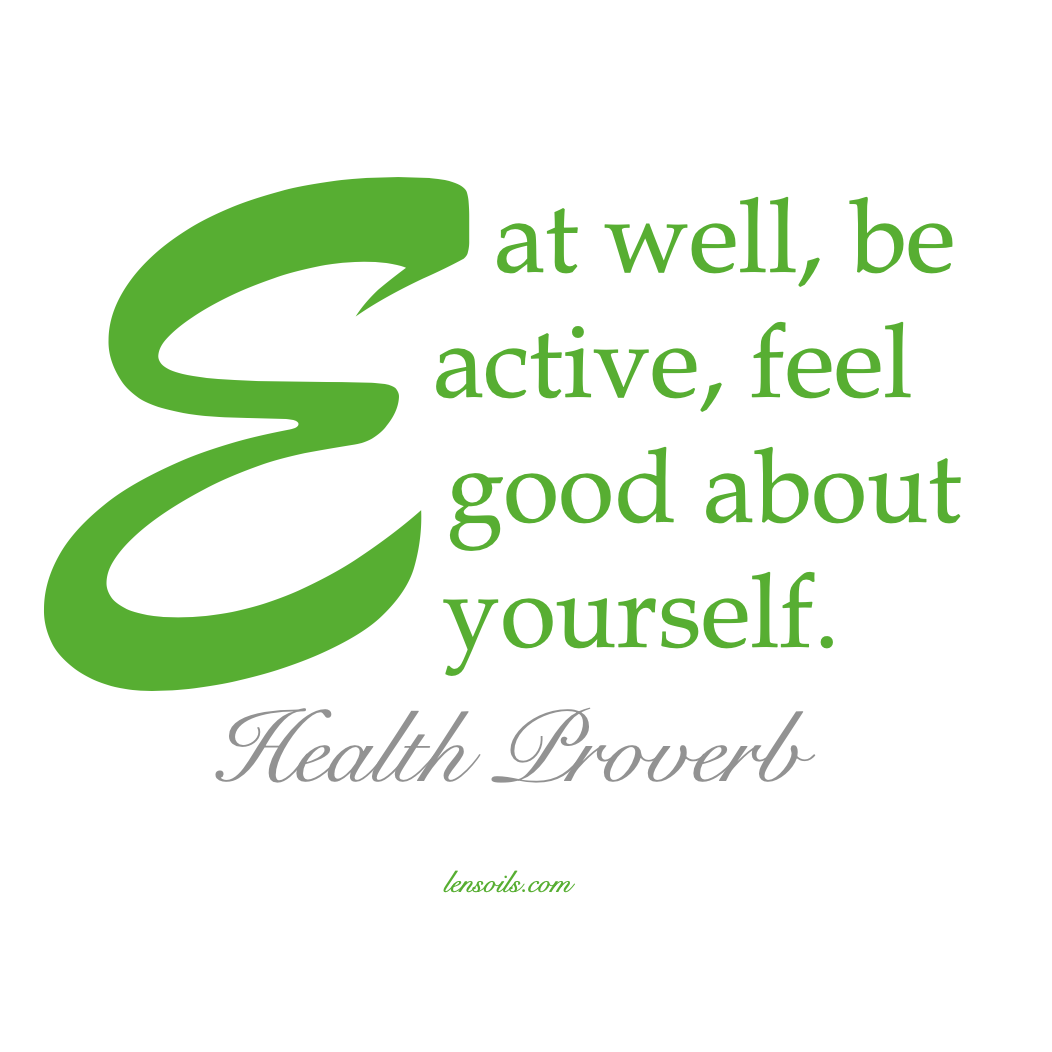
Eat well, be active, feel good about yourself — a simple plan until a donut appears, the couch calls your name, and your confidence needs a reboot. Still, it works. Feed your body like it matters, move it the way it was designed to move, and stop talking to yourself like a disappointed gym teacher. Health isn’t perfection or kale worship — it’s doing the basics most days and laughing when you don’t.
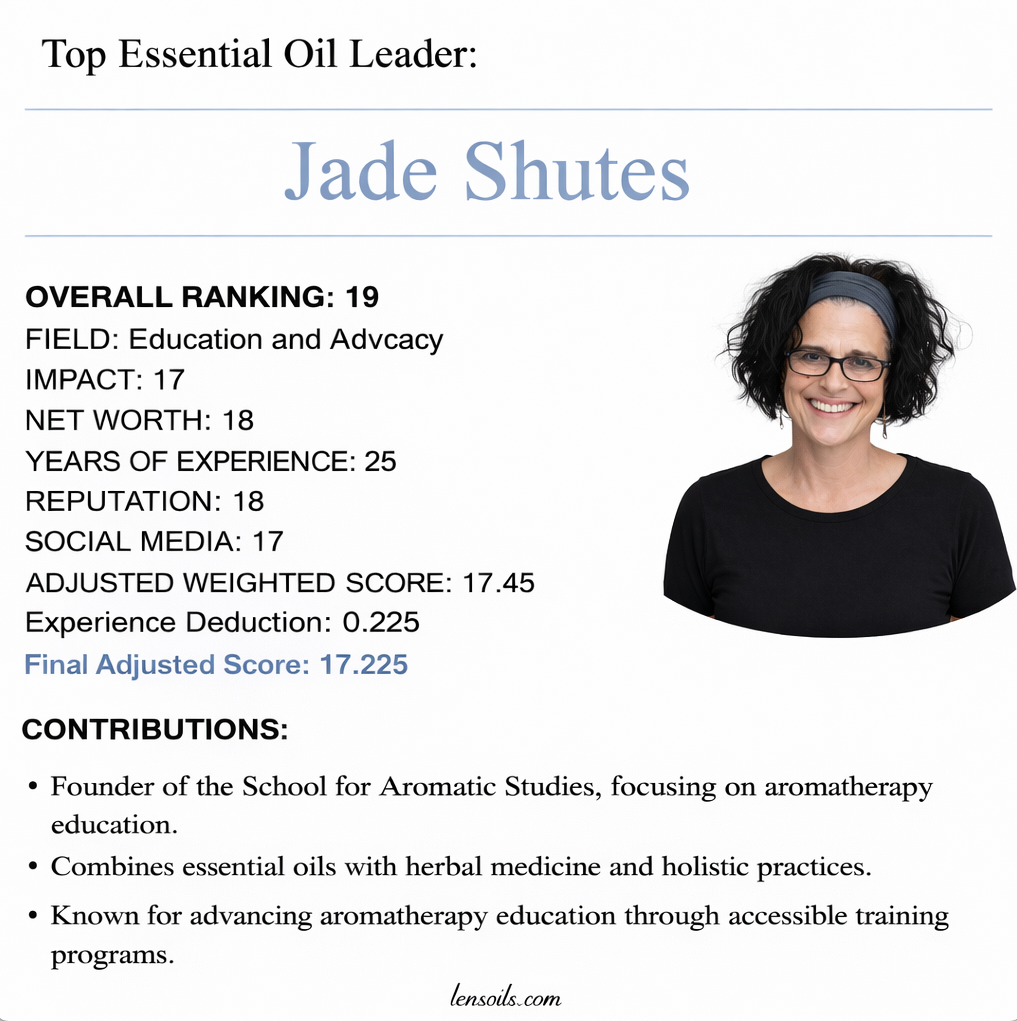
Jade Shutes is widely recognized as a leading authority in professional aromatherapy, with more than 25 years of experience shaping how essential oils are studied and responsibly applied. Her work has consistently emphasized safety, scientific understanding, and ethical practice, helping elevate aromatherapy from casual use into a disciplined and respected field.
She is the founder and director of the School for Aromatic Studies, an internationally respected institution dedicated to comprehensive aromatherapy education. Through this school, Jade has developed structured programs that address essential oil chemistry, anatomy and physiology, safety guidelines, and professional standards. These courses serve students worldwide, including practitioners seeking both foundational knowledge and advanced professional training.
Education also plays a central role in Jade’s published works, which are widely used as teaching resources. Her books include Aromatherapy for Bodyworkers, which focuses on practical and safe application for massage and manual therapies; The Carrier Oil Palette, an in-depth examination of carrier oils and their therapeutic roles; and The Ultimate Guide to Aromatherapy, which presents a structured, educational overview of essential oils for informed use. Together, these works support both classroom learning and independent study.
Across her teaching and writing, Jade consistently integrates aromatherapy with herbal medicine and holistic health traditions. She presents essential oils as supportive tools within a broader system of plant-based care rather than as isolated solutions. This balanced approach has helped aromatherapy gain credibility among educators, wellness professionals, and students seeking thoughtful, evidence-informed instruction.
Beyond her formal credentials and publications, Jade’s long-term influence is reflected in the practitioners she has trained and mentored. Many students credit her with shaping not only their technical skills but also their critical thinking and ethical approach. Her legacy is seen in a generation of aromatherapists who practice with discernment, responsibility, and deep respect for the plants they study and use.
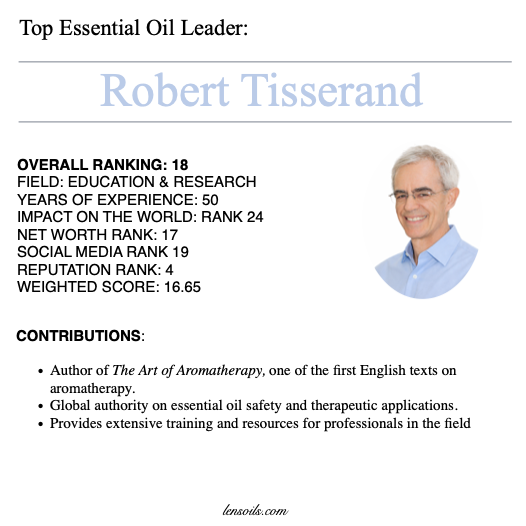
Robert Tisserand is one of the most influential figures in modern aromatherapy, especially in the English-speaking world. With more than fifty years of experience, he helped introduce aromatherapy at a time when reliable information was scarce. His early work laid the foundation for aromatherapy to be taken seriously as a structured practice rather than a fringe or mystical tradition.
Tisserand first gained wide recognition with The Art of Aromatherapy in 1977, one of the earliest comprehensive English texts on the subject. The book brought together traditional uses, emerging science, and practical guidance, making aromatherapy accessible to practitioners and the public alike. For many, it served as a gateway into understanding essential oils beyond simple fragrance or folklore.
As the field grew, Tisserand shifted his focus toward safety, chemistry, and evidence-based practice. He became known for emphasizing proper dilution, contraindications, and toxicological limits, challenging unsafe or exaggerated claims. This approach helped protect users and practitioners while raising professional standards, even when it meant confronting popular but risky trends within the aromatherapy community.
His most authoritative contribution is Essential Oil Safety, co-authored with Rodney Young. This reference work is considered the gold standard for professionals, educators, and clinicians worldwide. It compiles research on dermal limits, drug interactions, phytotoxicity, and internal use, offering clear guidelines rooted in scientific data rather than opinion or marketing language.
Through the Tisserand Institute, he continues to educate professionals globally with courses, research articles, and safety resources. His influence is quiet but structural, shaping how aromatherapy is taught, regulated, and practiced. While not universally popular with casual users, Tisserand’s legacy rests on credibility, rigor, and a long-term commitment to making aromatherapy safer and more trustworthy.
Please text Free Sample or call me at 801-661-4786 I will be sure to get back to you as soon as possible. Or Send me an email at lfish64@yahoo.com with the heading Free Sample It will be an honor to help you in any way that I can. Or Write me a letter, request a Free Sample Leonard Fish 5075 Rushton Acres Court West Valley City, Utah 84120 USA
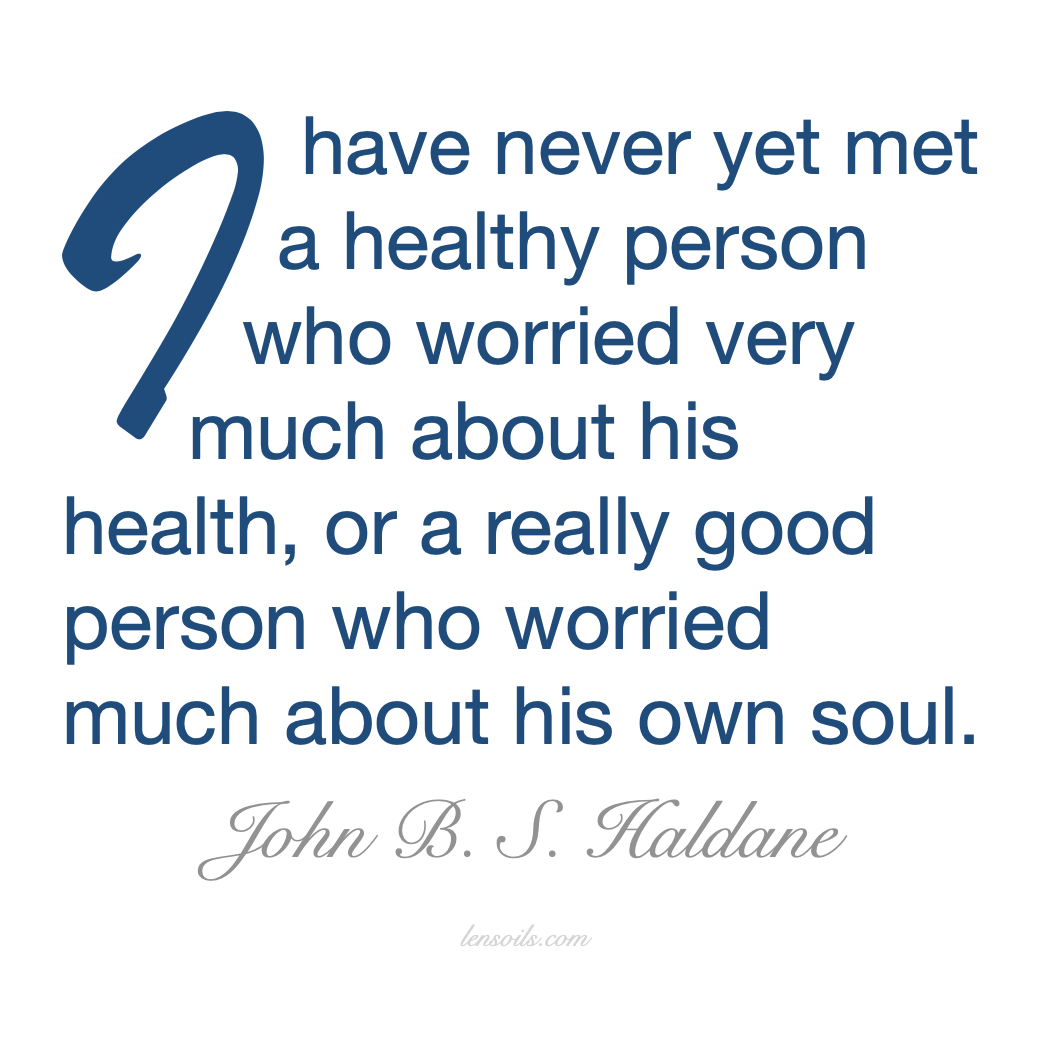
“I have never yet met a healthy person who worried very much about his health, or a really good person who worried much about his own soul.” —John B. S. Haldane
Or… kind of like how the person who says “I’m not competitive” is usually the one flipping the board game when they lose.
—Meaning: when you’re genuinely well or truly good, you live it naturally — you don’t have to obsess over proving it.




 Len's Oils