Tag Archives: Forgiveness

A Story From The Art of Happiness

A Story from The Art of Happiness

One of the most memorable stories from The Art of Happiness that reflects the quote “A calm mind brings inner strength and self-confidence, so that’s very important for good health.” is the story of a Tibetan monk who endured years of imprisonment and torture yet emerged with unshaken peace and inner strength.

The Story of the Tibetan Monk

During a conversation, the Dalai Lama shared the story of a Tibetan monk who had been imprisoned by the Chinese government for nearly 20 years after the invasion of Tibet in 1959. The monk had been tortured, starved, and subjected to brutal conditions in a Chinese prison camp.

When the monk was finally released, he traveled to India and met with the Dalai Lama. The Dalai Lama, knowing the suffering he had endured, asked him,

“What was the greatest danger you faced during your time in prison?”

The monk replied, “The greatest danger I faced was losing my compassion for my captors.”

What This Story Teaches Us

Despite experiencing unimaginable suffering, the monk maintained a calm mind and inner strength. He understood that if he allowed anger, hatred, or fear to take over, he would have lost his inner peace and self-confidence—which, in turn, would have destroyed his mental and physical health.

Instead of focusing on his suffering, he focused on compassion, forgiveness, and maintaining a peaceful state of mind. He survived the ordeal not just physically, but emotionally and spiritually intact.

Essential Oils in the Bible: Psalms 51:7

Psalm 51:7 states:
“Purge me with hyssop, and I shall be clean: wash me, and I shall be whiter than snow.”

This verse comes from Psalm 51, a well-known psalm of repentance written by King David after his sin with Bathsheba was exposed by the prophet Nathan (2 Samuel 12). The verse is deeply symbolic and carries both spiritual and historical meaning.

Insights Behind the Verse

1. Hyssop as a Symbol of Purification

Hyssop is a small, fragrant herb mentioned multiple times in the Bible, often in relation to purification rituals:

  • In Exodus 12:22, the Israelites used hyssop to apply the blood of the Passover lamb to their doorposts.
  • In Leviticus 14:4-7, it was used in the cleansing ceremony for those healed from leprosy.
  • In Numbers 19:18, it was part of the purification process for those who had touched a dead body.

David’s request to be “purged with hyssop” suggests a desire for deep cleansing—not just outwardly, but inwardly. He is asking God to remove his sin and make him pure, just as hyssop was used in ceremonial cleansing.

2. Spiritual Cleansing and Forgiveness

The phrase “wash me, and I shall be whiter than snow” emphasizes the complete forgiveness and renewal that David longs for. Snow is naturally white, symbolizing purity, but David acknowledges that only God can cleanse him from sin to such an extent. This points to the spiritual transformation that takes place when God forgives and restores a person.

3. Foreshadowing of Christ’s Sacrifice

The use of hyssop also has a connection to Jesus’ crucifixion. In John 19:29, as Jesus was dying on the cross, a sponge soaked with sour wine was lifted to Him on a branch of hyssop. This moment ties the cleansing symbolism of hyssop to the ultimate sacrifice for sin—Jesus’ blood, which cleanses all who believe in Him.

Essential Oils and Hyssop in the Bible

Hyssop oil is known for its antiseptic and healing properties, and it was likely used in biblical times for its medicinal and aromatic qualities. Though the Bible does not explicitly mention essential oils, it does refer to anointing with oils for healing and consecration (James 5:14, Exodus 30:22-25). The reference to hyssop in Psalm 51:7 may also indicate its use in physical and spiritual purification practices.

Application Today

  • Spiritual Application: Just as David sought cleansing from sin, believers today can seek God’s forgiveness through repentance and faith in Christ.
  • Symbolic Use of Hyssop: Some use hyssop essential oil in prayer as a reminder of spiritual purification and renewal.
  • Personal Reflection: This verse invites self-examination, repentance, and reliance on God’s grace for true cleansing.

The Wise Sage

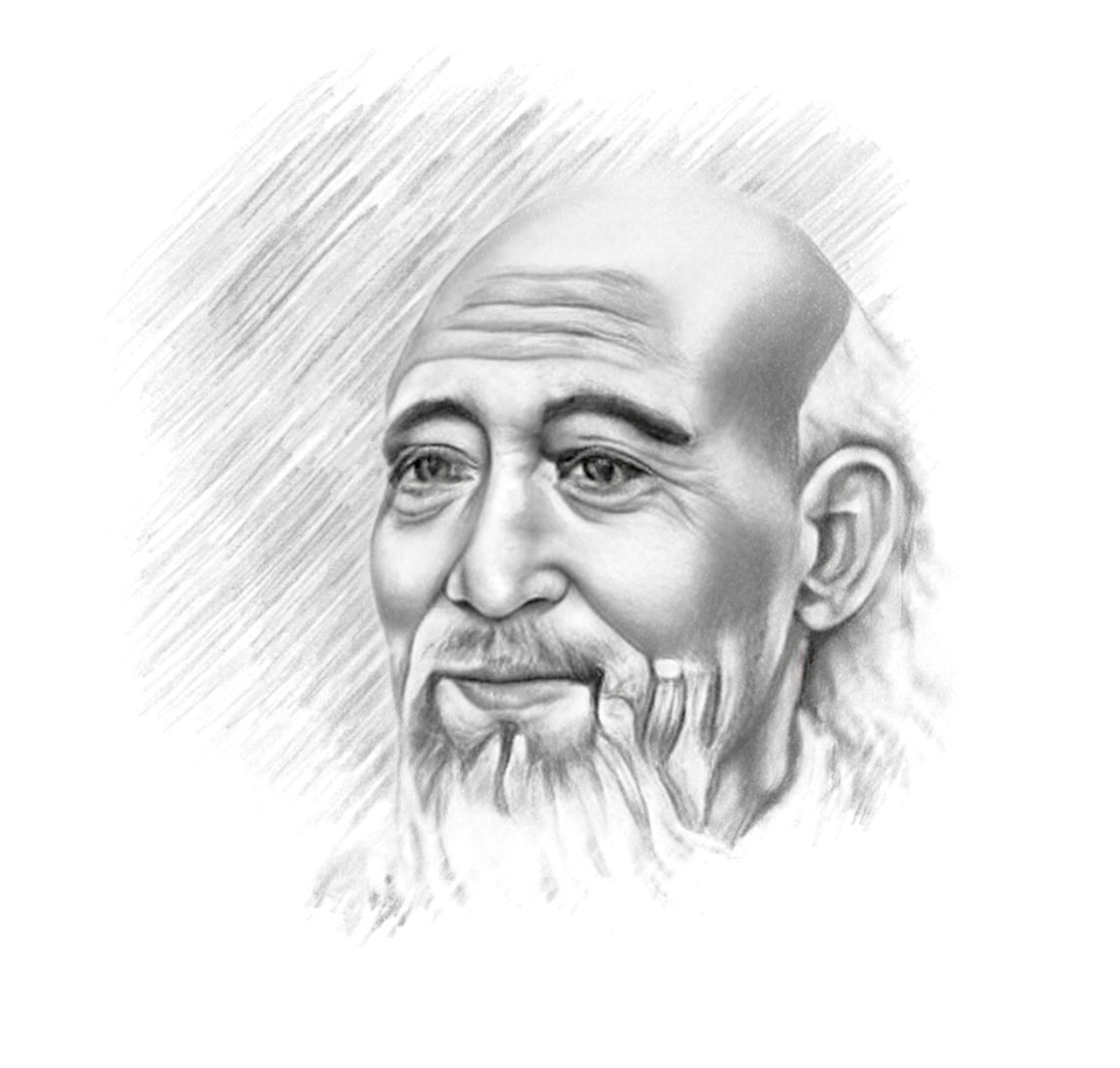
     When I think of forgiveness I think of the story my Dad liked to tell about a wise Chinese Sage who is the wisest old man of the village. Their was a woman who was offended greatly by another woman in the village, so she visits the wise sage and asks him what is the best way to hurt someone the most? He said it is very simple. The first step is to be as nice as possible to the woman that hurt you everyday. Then in two weeks, I will tell you what to do next. Three weeks go by when the wise old sage sees the woman who wanted to hurt the other woman in the village. The wise sage said,” Are you ready for the next step to hurt the person who offended you?” The woman said she could never hurt the woman who had once offended her. She said she could never hurt this woman because she was her very best friend. When we serve others it is very easy to forgive them and overlook their differences.