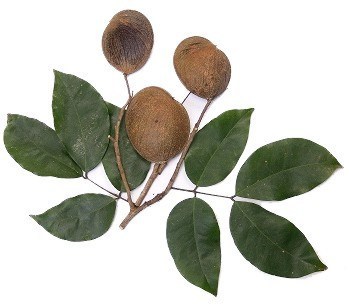
Deep in the heart of the Amazon rainforest, towering trees stretched over 100 feet tall, their thick trunks rooted deep in rich, untouched soil. They had stood for centuries, unnoticed by most of the world. But hidden within them was something remarkable—something that would one day change the way people cared for their health and well-being.
For generations, indigenous tribes and local farmers of South America had known the secret of these trees. They carefully tapped the bark, collecting a golden resin that flowed slowly like nature’s own medicine. This thick, aromatic sap was used to cleanse the skin, support oral health, and promote overall wellness. Those who ingested it found it could ease anxious feelings and support the immune, cardiovascular, and digestive systems. Passed down through generations, this knowledge remained within small communities, while the rest of the world remained unaware of its benefits.
As more people looked for natural ways to stay healthy, scientists and wellness experts became interested in this special tree resin. They discovered that it had a unique ingredient called β-caryophyllene (BCP), which could help the body in many ways. BCP connects with CB2 receptors in the body’s endocannabinoid system (ECS), which helps control things like inflammation, the immune system, and overall balance. This meant the resin could help the brain, nerves, liver, and kidneys stay healthy. Scientists also found that this resin had more BCP than any other essential oil, making it one of the most powerful natural wellness tools available.
However, with growing demand came challenges. Some large companies sought to harvest as much of the resin as possible, damaging the trees and ignoring the well-being of the farmers who relied on them. But one company, dōTERRA, took a different approach. Instead of mass production, they focused on sustainability and fair trade, working directly with local harvesters to protect the land and ensure a future for those who had been tending these trees for centuries.
Through dōTERRA’s Co-Impact Sourcing™ initiative, local farmers were trained to tap the trees responsibly, allowing them to continue producing resin for many years. Instead of overharvesting, they carefully collected only what was needed, ensuring that both the environment and the communities that relied on these trees thrived. dōTERRA also invested in education, healthcare, and fair wages for these farmers, helping to improve their quality of life while respecting their traditions and expertise.
One such farmer, whose name may not be widely known but whose impact is undeniable, had spent his entire life harvesting this resin the way his ancestors had before him. For years, he struggled under unfair trade conditions, receiving little pay while foreign companies profited from his hard work. But after partnering with dōTERRA, he and many others finally saw the value of their labor. They received fair wages, proper tools, and training, ensuring that their families could thrive while protecting the delicate balance of the rainforest.
Despite its long history, this oil remained one of nature’s best-kept secrets for centuries. It was widely used in lotions, creams, perfumes, and soaps, and had been an important part of traditional Brazilian health practices. It provided antioxidant support, helped maintain a healthy inflammatory response, and promoted general well-being. Whether applied to the skin for a clear complexion, taken internally for immune support, or diffused for a calming effect, its benefits extended far beyond what early explorers had imagined. This wasn’t just another tree in the rainforest—it was a powerful gift from nature.
The oil hidden in the rainforest? Copaiba. A natural treasure from the towering trees of the Amazon, once known only to indigenous healers and local farmers, now shared with the world through the sustainable efforts of dōTERRA. Thanks to dedicated harvesters, this extraordinary resin is collected responsibly, protecting both the land and the people who depend on it. And now, you know the rest of the story.
 Len's Oils