Category Archives: Personal stories

Full Circle Moments and a Drop of Lavender

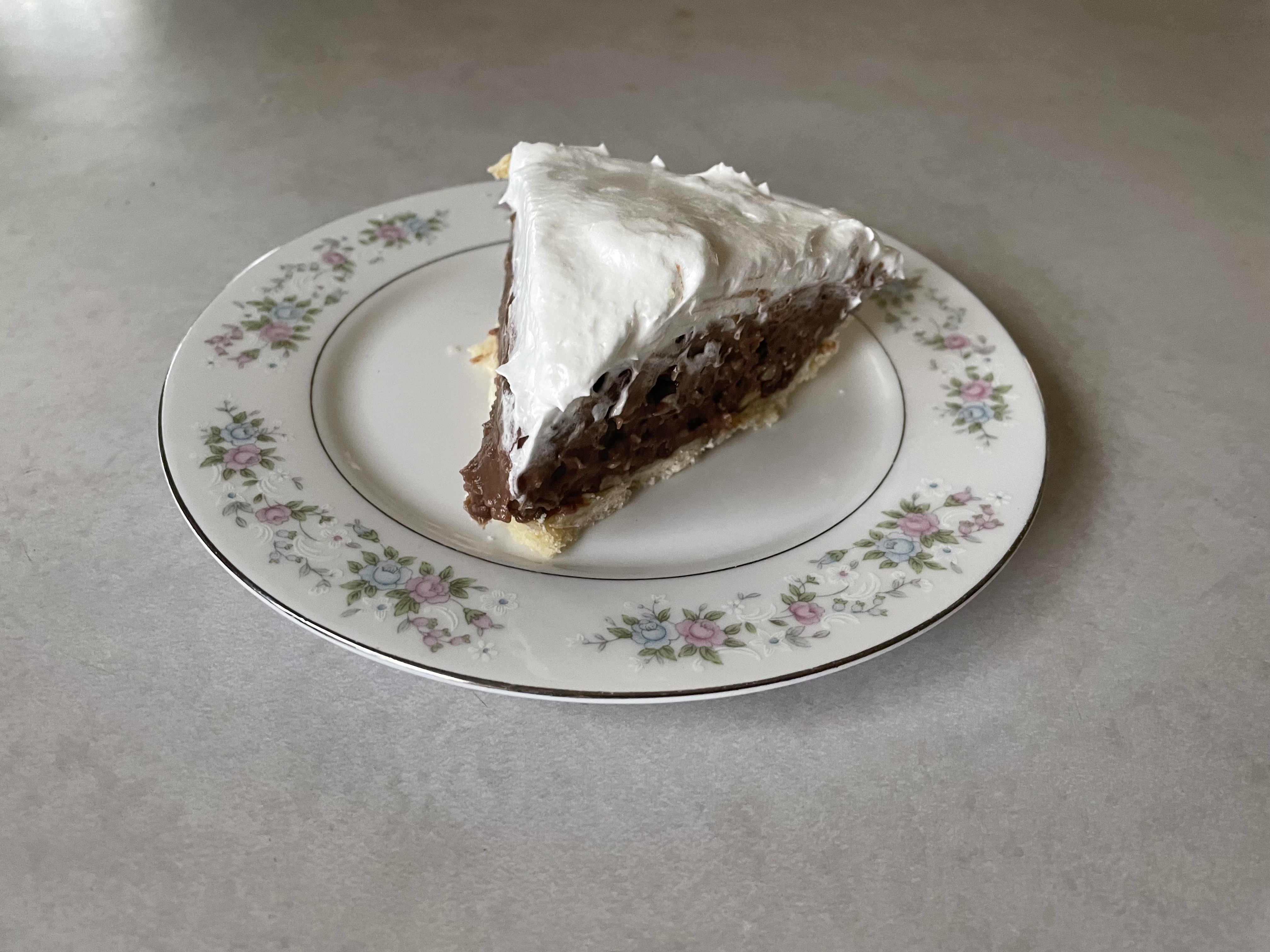
Over forty years ago, I worked in downtown Salt Lake City, Utah. Each morning, I’d catch a ride with my dad on his way to work, feeling all grown up as I headed to my job at The Lion House. It was a cozy place that opened for lunch and hosted banquets for weddings and private events. My job was to set up tables and chairs for those banquets, which felt important to me at the time. At the end of my shift, I was given a food credit—just enough for a salad and a slice of freshly made pie. It was a great job, and I loved every bite of that “paycheck.”

Fast forward over forty years, and here I am again, working in downtown Salt Lake City. This time, I’m at OC Tanner, a jewelry store that once was a library and, when I was a child, The Hansen Planetarium. I can still remember the excitement of visiting that four-story building—it looked like a rich person’s mansion filled with stars and planets. I was sad when it closed, and for years it sat empty until OC Tanner brought it back to life as a stunning jewelry store. Now, I walk those same streets again, with a sense of wonder and a smile, realizing life has a funny way of circling back—only shinier this time.

As a kid, I also remember my mom keeping small bottles of essential oils in the kitchen drawer. Back then, I thought they were mostly for old-fashioned remedies or the smell of clean laundry. Sometimes she’d rub peppermint on our temples when we had headaches or apply lavender to our skin when we had sores to help them recover more quickly. I never thought much about it—until years later, when I found myself reaching for those same little bottles. What once seemed like an old habit has become something I now can’t imagine living without. A little drop of comfort, just like those familiar streets of my youth.

When my wife and I first got married, I couldn’t believe she wanted to buy bread crumbs. “We can make our own!” I proudly declared. She didn’t find my enthusiasm quite as charming. You see, I grew up in a big family with nine siblings, and in our home, nothing went to waste. We saved the ends of loaves and leftover biscuits in a paper bag, letting them dry before smashing them into crumbs. It was simple, practical, and—to me—normal. My wife, however, was not impressed. After a bit of tension and an apology, it became one of those stories we laughed about for years.

Then, just this week, the universe decided to have a little fun with me. While at Costco, I bought a huge bag of croutons, only to realize later that there’s no way two people could eat that many. The next morning, Cassie mentioned she needed bread crumbs for dinner. Without even thinking, I said, “Cassie, we don’t need to buy bread crumbs—we have croutons!” She gave me that look for a split second before we both burst out laughing. Turns out, I still have a bread crumb complex. I crushed up the croutons, she made dinner, and it was delicious.

That night, I diffused a little lavender oil in the kitchen—something I do often now. As the scent filled the air, I smiled, realizing how life truly comes full circle. The places we return to, the lessons we relearn, and even the smells that remind us we’ve grown all have a way of grounding us in gratitude. Whether it’s a familiar street, a slice of pie, or the calming scent of lavender, life keeps finding gentle ways to remind us where we began.

Whispers and Mirrors

It begins softly, like a breeze brushing the edge of a curtain—someone’s name, spoken too easily, carried just far enough to change its shape. Gossip never enters loudly; it slips in disguised as connection, as curiosity, as “just something I heard.” Yet what begins in casual conversation can end in quiet destruction. A life reduced to fragments of rumor. A heart weighed by stories it never told.

We tell ourselves it’s harmless, that sharing makes us part of something, that being “in the know” gives us worth. But every whisper takes from the soul, a small withdrawal from our better selves. When we pass along a scandal, we hold the same shovel that digs another’s hole. The thrill of telling fades fast, and all that’s left is the echo of what we’ve broken.

The Tao says, “What is a bad man but a good man’s job?” I think of that often. How many times I’ve been both—the one who faltered and the one who judged. It’s easy to point a finger; it’s harder to hold a hand. To see the “bad” in someone else is to forget the lessons written quietly into our own scars.

Once, I heard someone laugh, “If a friend’s mad at me, I just say, ‘I have some juicy gossip.’” My heart sank. How sad, I thought, that healing has been replaced by distraction, that love could be bought with cruelty. We trade compassion for a moment of attention, unaware that every careless word widens the distance between us.

When I hear, “I don’t repeat gossip, so listen carefully,” I feel a shiver of shame for all the times I’ve listened too long. Because gossip is not about others—it’s a mirror. What we say reflects who we are, what we value, and what kind of peace we’re willing to sacrifice.

So let’s be the stillness in the noise, the voice that speaks only love. Let’s choose silence when words can wound. In a world eager to talk, may we become the rare souls who listen with compassion, who lift with language, and who walk gently through the fragile stories of others.

Lessons From Fishing

When I was nine or ten, I went fishing with my dad and older brother. I loved spending time with my dad because he was always busy, and these moments were rare and cherished. We spent the day together by the water, laughing and bonding. I can still remember the excitement of reeling in three or four good-sized fish. I felt so proud of what we’d caught—until the next part.

When it was time to gut the fish, my dad and brother handled the task while I stood off to the side, horrified. Watching them clean the fish was absolutely disgusting to me, and it took away some of the magic of the day. Things didn’t improve when we got home. My mom cooked up the fish, filling the entire house with the smell of fried fish. We sat down as a family to eat, but I struggled to enjoy the meal. No matter how carefully I picked through my portion, I always seemed to miss a bone. The fishy taste and lingering smell made the experience worse. From that day on, I decided: I don’t like catching or eating fish.

This simple rule—”don’t eat the fish”—has stayed with me ever since. It’s a personal rule rooted in a negative experience, but it’s one that works for me. For others, though, it would seem ridiculous. Many people love fishing and enjoy fresh fish, but my rule is shaped by my personal history, just as others’ habits and rules are shaped by theirs.

How often do we follow rules without questioning them? Many of the things we do are based on negative experiences, traditions, or habits passed down from others without us fully understanding why. For instance, I’m reminded of a story about Mary, who was preparing a ham for dinner. One of her children asked, “Why do you cut off the end of the ham before putting it in the pan?” Mary replied, “That’s how my mom always did it.” Curious, Mary called her mother to ask why. Her mom laughed and said, “I only did that because my pans were too small to fit the whole ham.”

This story illustrates how much of what we do is based on what’s been handed down to us. We often follow practices or traditions without stopping to ask if they still make sense or serve us well. When it comes to our health, this is especially true. Many of us, when we get sick, instinctively reach for over-the-counter pain relievers or other medications because that’s what we were taught to do. It’s what we’ve seen and experienced, so we repeat it.

But now we know better. With every man-made drug, there are potential side effects—some minor, others dangerous and harmful to our health. Thankfully, there’s another option. I’ve discovered the power of essential oils, which offer natural, effective solutions without the dangerous side effects of synthetic drugs.

Essential oils have transformed the way I approach my health. These powerful, plant-based remedies have been studied for their healing properties, and I’ve experienced their benefits firsthand. Whether I’m dealing with a headache, a cold, or simply trying to stay well, essential oils are my first line of defense. They’re not just effective—they’re also a reminder that sometimes the best solutions are the simplest and most natural ones.

My fishing story might seem unrelated to essential oils at first, but they’re both about learning from our experiences. That day on the lake taught me a lot—not just about fish, but about how personal experiences shape our choices. Just as I chose not to eat fish based on my childhood, I’ve now chosen essential oils as a healthier alternative for my well-being. It’s a choice rooted in knowledge, growth, and a desire for something better. And like fishing with my dad and brother, it’s a journey I’m grateful for, even if it didn’t start out perfectly.


The Gift of Generosity

I remember a kind couple, John and Nome Mackaleash, who loved my parents and enjoyed spending time with our family. They had big hearts and a genuine desire to help. They often brought us new clothes from a business they owned, showing their thoughtfulness in ways we deeply appreciated. One visit stands out in my memory: my sister Rachel was participating in a fundraiser, selling boxes of M&M candies for a dollar each—a significant amount of money in the 1980s. Without hesitation, John pulled out twenty dollars and bought the entire case of candy. Then, in an act of pure generosity, he gave each of us our own box.

Fast forward 20 years, and now it was my turn as a parent. My children were doing school fundraisers, but my reaction was the opposite of John’s. I completely discouraged them from participating. I’d say, “I’ll give you a dollar if you don’t do that fundraiser.” I was downright unpleasant to anyone who came to my door selling something.

One day, while listening to an audiobook, I heard the speaker say, “Be generous with your money, and it will come back to you tenfold.” Something about that message resonated with me. I decided to change my ways. I started being more open and generous, buying from every child who came to my door. It reminded me of John’s incredible generosity and the example he set for me all those years ago.

This shift in mindset also made me realize how giving can create a ripple effect. I even hired neighborhood kids to clean up rotten apples in my front yard and rewarded each of them with a crisp two-dollar bill. Seeing their smiles made me realize that generosity isn’t just about money—it’s about creating moments of joy and encouragement for others.

This perspective ties perfectly into my love for essential oils. Generosity isn’t just about giving money or gifts; it’s about sharing things that have positively impacted your life. For me, essential oils have been life-changing. I use them daily, appreciating their ability to promote better health without harmful side effects. When I experience the benefits of an oil—whether it’s improved focus, better sleep, or relief from discomfort—I feel compelled to share it with others.

I believe essential oils represent the same spirit of generosity that John and Nome demonstrated. They offer people hope and an alternative path to better health. Generosity, whether it’s giving time, money, or a small bottle of essential oil, creates a harvest far greater than we can imagine. Every time I share an oil, I’m reminded of the beauty in giving: it transforms lives—mine and others’—and fosters a deeper connection to those around me.

The lesson is clear: generous giving of ourselves, whether through kindness, encouragement, or something as simple as sharing essential oils, leads to a generous harvest of joy, hope, and connection. And just like John’s act of kindness with those boxes of candy, it’s the small, thoughtful gestures that often make the biggest difference.

A Journey to Reading

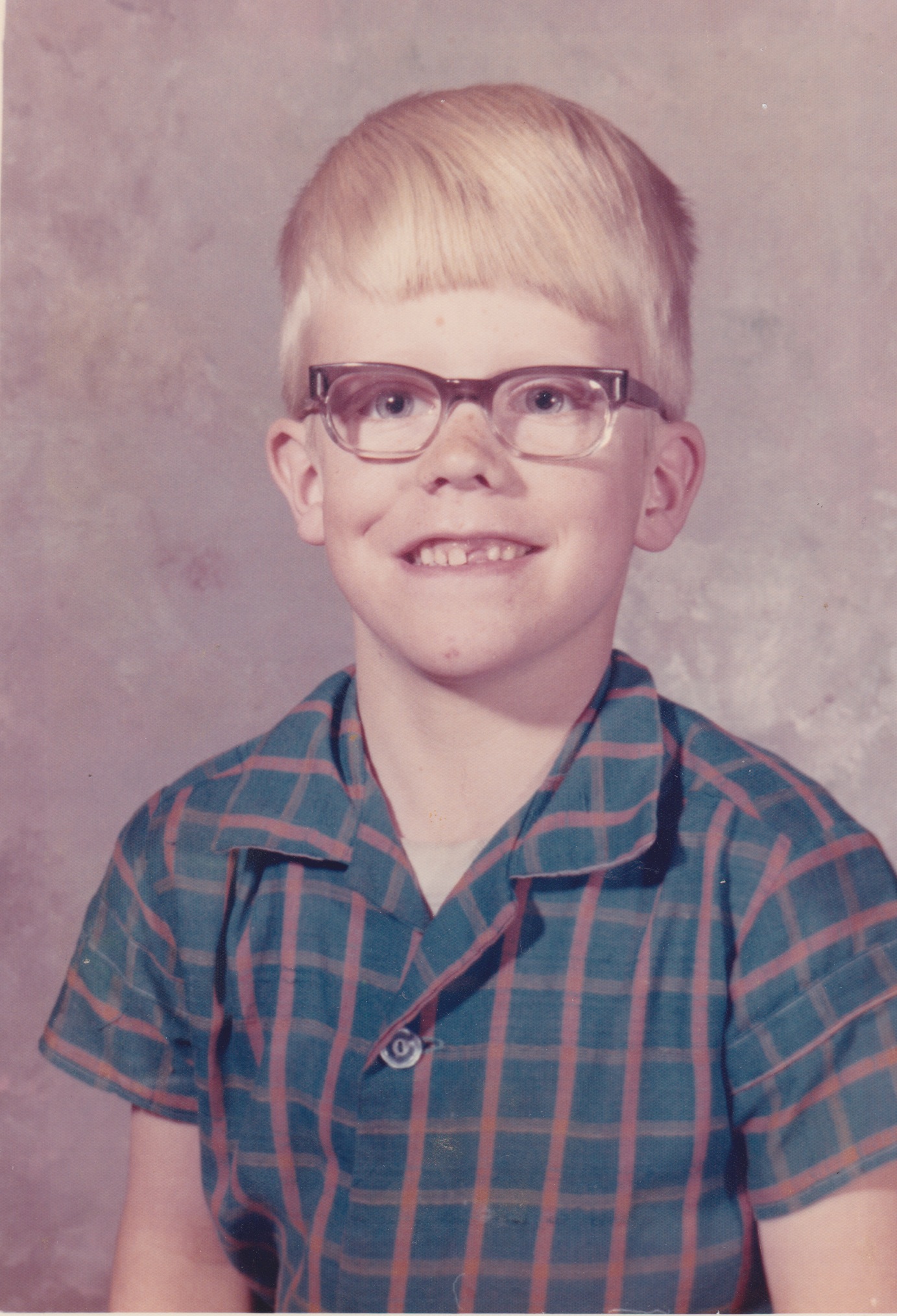
When I was a small child, I struggled immensely with my ability to read. I was born with a lazy eye and astigmatism, which meant that for the first four years of my life, I wandered around half-blind. When I finally got glasses, it felt like a whole new world opened up to me. However, while I could now see clearly, I was developmentally behind my peers in many ways, including reading.

In first and second grade, I found myself at the bottom of my class in nearly every subject. Determined to improve, I worked hard to catch up. One year, my efforts paid off when I received an award for reading 1,000 books aloud to my mom and my two oldest siblings, Ramona and Sherry. It was a big accomplishment, especially since the next closest person had read only 400 books. I later learned that my mom secretly wanted to show the other moms how much effort she had put into helping me succeed. Her support made all the difference.

I was fortunate to have many caring and dedicated teachers who helped me along the way. One teacher introduced me to a special reading machine that became both a tool for learning and a source of mischief. The machine worked by sliding a card through it, which triggered a strip of recordable tape to say the word written on the card. It was fascinating to me. But I soon discovered that I could erase the correct word and record the wrong word in its place. While my teacher was not amused by my newfound “skill,” I secretly enjoyed being a little mischievous. That experience, though naughty, also reflected my natural curiosity and desire to learn in my own way.

It’s interesting to reflect on how far I’ve come since those early struggles with reading. Despite my challenges, I eventually overcame them and developed a passion for writing and sharing knowledge. Today, I channel that passion into teaching others about essential oils, something I deeply enjoy. I find it especially fulfilling to share oils that can help children improve their ability to focus—a challenge I faced as a child and continue to manage as an adult.

I feel truly blessed to have discovered an essential oil focus blend that has significantly improved my ability to concentrate. It’s remarkable to think about how my journey has come full circle—from a little girl struggling to read to someone who writes, teaches, and shares tools that can help others. My past struggles have shaped me, and I’m grateful for the lessons they’ve taught me about perseverance, curiosity, and finding joy in the process of learning.

From Mistakes to Mastery

When I was eleven, I decided I wanted to make a homemade chocolate cream pie all by myself. My mom handed me the recipe and said, “I’ll be in my bedroom if you need me.” She later admitted that she would have gone crazy watching me cook since I was just learning. I followed the recipe—or so I thought. It called for three tablespoons of cornstarch, but instead, I added three tablespoons of baking soda. When the instructions said to “bring to a boil,” I couldn’t understand why the pie filling foamed wildly over the top of the pan. Frustrated and confused, I called my mom into the kitchen for help.

The moment she entered the kitchen, she quickly grabbed a second pan and began pouring part of the pie filling into it to manage the overflow. But the filling kept growing. The kitchen was in chaos. That’s when my mom started questioning what ingredients I had added. She carefully went down the list on the recipe card with me. When we reached the cornstarch, I proudly pointed to the baking soda container and said, “I added cornstarch!” My mom gave me a look of disbelief and calmly explained that I had added the wrong ingredient. “This pie filling is no good,” she said. “When you thought you were adding cornstarch, you were adding baking soda.” That was when I learned an important lesson: You can do everything else just right, but one wrong move can still turn everything into a big disaster.

Years later, when I was eighteen, I had the opportunity to work at two different places that made pies. These jobs gave me hands-on experience and introduced me to new techniques. I learned how to perfect pie crusts, balance flavors, and create smooth fillings. One Thanksgiving season, I spent 18 hours in a single Saturday making pies at Marie Callender’s. It was exhausting but rewarding, and I came to truly appreciate the art of pie-making. I am incredibly thankful for the training I received during that time, as it helped shape my confidence and skills in the kitchen.

Over the years, I’ve found myself teaching women’s groups how to create the perfect pie crust and fillings that are both delicious and memorable. What started as a childhood failure became the stepping stone to my current success in baking. My early mistakes in the kitchen were frustrating at the time, but they ultimately paved the way for me to excel. I now find great joy in sharing what I’ve learned with others, proving that even the worst disasters can lead to something worthwhile.

I’ve discovered that asking questions and admitting what you don’t know are key to learning and growth. Acting like you know it all only holds you back. I’m constantly finding new ways to improve, whether it’s perfecting a pie or addressing other challenges in life. Learning what works—and what doesn’t—has become one of my greatest joys.

Interestingly, I’ve found that my experiences with cooking parallel my journey with essential oils. Just as I made countless mistakes when I was learning to cook, I initially struggled to understand how to use essential oils. Now, I rely on my essential oil guidebook to determine which oils are best for various conditions. Like baking, using essential oils involves trial and error. But with every mistake, I gain more knowledge and confidence.

In both cooking and life, every failure teaches an important lesson. Mistakes may seem discouraging in the moment, but they are often stepping stones to greater success. Whether it’s in the kitchen, with essential oils, or any other area, I’ve learned that patience and persistence are the ingredients for growth—and that the best recipes often come from learning what not to do.


The Double Standards in Life


When I was in first grade, I was a slow learner. Watching the other kids in my class grasp concepts quickly while I struggled was painful. At our school, we read Sam and Ann books. I was stuck in book 2 while many of my classmates had advanced to book 10. The smartest kid in the class was already in book 23. I was amazed that anyone could be so far ahead of the rest of us.

Every time a child moved up to the next book level, they were rewarded with a piece of candy. The day finally came when I advanced to book 3. I was thrilled! My teacher was proud of me, too. She reached into her desk to give me a piece of candy but found that she didn’t have any left. After searching, she found a stick of gum instead. She handed it to me and said, “Leonard, I’ll give you this gum if you promise not to chew it until you get home.” I eagerly agreed.

But temptation got the better of me during recess. I thought, No one will know if I chew it now. I unwrapped the gum and began chewing. When we lined up to come back inside, a teacher spotted me. My crime was obvious. I was immediately asked to spit out the gum and, as punishment, spend my next recess writing, “I will not chew gum in school.”

My connection to gum—and trouble—didn’t end there. Later that same year, I came home from the store with my dad, happily chewing gum. My dad immediately realized something was off; gum was a rare treat in our house. He put two and two together, knowing we had just come from the store. Once again, I was guilty of a gum-related offense. I had taken a pack of gum without paying for it.

My dad insisted that I make things right. He marched me back to the store, where I had to admit my mistake to the manager and pay for what I had taken. The experience left a strong impression on me. I’m grateful to have had a dad who taught me the importance of owning up to my mistakes and making better choices.

Years later, I spent much of my career as a custodian at a school. It was a rewarding job, and I loved seeing the students grow and learn. I’m now retired, but I remember one thing that surprised me before I left: the students were given gum before taking their big year-end tests. I couldn’t believe it. Don’t they know gum is against the rules? I thought. When I asked, I was told about a study showing that peppermint gum helps students stay alert and improves memory recall. The gum was meant to boost test scores.

This memory of gum got me thinking about double standards. As a child, gum was “bad”—don’t chew it at school, and definitely don’t take gum without paying for it. As an adult, gum was “good”—it helped students focus and succeed. I realized that double standards are everywhere.

Even my own family wasn’t immune. My grandparents experienced a heartbreaking tragedy when their oldest child, my uncle, died of a drug overdose at just seven years old. He had been given an adult prescription that proved fatal. That loss led my grandfather to become a pharmacist. Yet he had a double standard: “Drugs are to sell, not to take,” he would often say.

This philosophy shaped my upbringing. I was taught to view drugs with caution. Yet today, I see a similar double standard with prescription drugs. Many parents are baffled when their children turn to illegal drugs, not realizing that the habit may have started with a reliance on legal drugs for every little ailment.

There’s no denying the great advances in medicine and science. Prescription drugs save countless lives. But on the flip side, how many of us reach for medicine like it’s candy—popping pills for every ache and pain without considering the long-term effects? Society has conditioned us to seek quick fixes, often at the expense of our health.

When I get a headache, my first step is to drink a tall glass of water. If that doesn’t work, I use an essential oil to rub on my forehead. About 95% of the time, this is enough. My last resort is taking an over-the-counter pain reliever.

If given the choice between a convenient pill and a healthier alternative, let’s choose health over convenience. By removing double standards, we can take charge of our well-being and start living more intentionally.

Learning From Skip Ross

This is a tribute to Skip Ross, a wonderful man I had the privilege of knowing 44 years ago. His passing not long ago deeply saddened me, as the world lost someone truly special. Skip was not only admired but loved by everyone who knew him. His kindness, wisdom, and generous spirit left a lasting impact on so many lives, including mine. He will be missed dearly, but his legacy lives on in the countless people he inspired.

One of the saddest things in life is seeing someone with low self-esteem. I understand this pain all too well. When I was in elementary school, I struggled as a slow learner. This label, given to me by my peers, became a heavy burden to carry. It made me question my worth and abilities, causing me to retreat inward and doubt myself even more. Those early years of self-doubt were tough, but they shaped my journey in profound ways.

Although many students at school knew who I was, I didn’t form close connections with most of them. I had one good friend who became my lifeline during those lonely years. Before school, we would wander the halls together, chatting and waiting for the bell to ring. Still, there were moments when I felt utterly alone. At home, I often found solace in talking to our family’s pet goats. That little farm was my sanctuary, a peaceful place where I could be myself. It was my small piece of heaven in an otherwise challenging time.

Looking back, I am deeply grateful for the incredible teachers, church leaders, community members, and, most importantly, my parents. They saw potential in me even when I couldn’t see it myself. Their encouragement and belief in me helped me begin to reshape my self-image. Slowly but surely, I started to become more confident and outgoing, breaking free from the shadows of self-doubt.

My journey toward self-confidence took a pivotal turn when my parents joined the Amway business. At the heart of their business was a focus on personal growth and self-improvement. This is where Skip Ross entered my story in a meaningful way. Alongside weekly product orders, my dad would bring home a cassette tape called “The Tape of the Week.” These tapes were filled with motivational messages from speakers like Zig Ziglar, Rich DeVos, and Skip Ross. Listening to them became a routine, and Skip’s powerful messages resonated deeply with me. His words made me believe that I could rise above my struggles and accomplish great things.

When my parents told me that Skip Ross was coming to town, I couldn’t contain my excitement. To me, it was like going to see a rock star perform. Skip Ross wasn’t just a motivational speaker; he was a beacon of hope, radiating self-confidence, humor, and talent. Hearing him speak live was transformative. Watching him captivate the audience and inspire everyone in the room, I thought to myself, I want to be like that someday—a person who radiates positivity and confidence.

The impact Skip had on me didn’t stop there. My parents also told me about his youth camp in Rockford, Michigan, and I was determined to attend. Saving up $800 on a $3.15-an-hour job was no easy feat, but I worked tirelessly for a year to make it happen. That camp became a defining moment in my life.

It was my first airplane ride and my first time being so far from home, surrounded by strangers. I was nervous but excited. Each day at camp, Skip Ross taught us how to unlock our full potential, weaving lessons of self-love and perseverance into every session. He didn’t just teach us to dream—he showed us how to act on those dreams. Between these lessons, we engaged in activities like swimming, horseback riding, and barn chores that reminded me of home. These moments taught me that growth often happens when we step outside our comfort zones.

One memory that stands out was a trip to Lake Michigan. I had the privilege of sitting in the front seat with Skip during the drive. He had a cassette tape of himself singing, and when I asked if we could listen to it, he agreed. That small moment of connection made a lasting impression on me. It reminded me that even someone as accomplished as Skip Ross was still relatable and genuine.

That camp didn’t just teach me how to dream big—it gave me the tools to overcome my self-doubt and take meaningful steps toward those dreams. One lesson in particular stuck with me: “Love yourself, for if you don’t, how can you expect anyone else to love you?” Those words have guided me through many challenges in life, reminding me that self-love is the foundation for all growth and success.

This message has deeply influenced my journey, even beyond Skip Ross’s teachings. I think often about how far I’ve come since my early struggles with self-esteem. Today, I write, teach, and share my passion for essential oils—something I find incredibly fulfilling. Essential oils have become a part of my story, helping me find focus and balance in ways I never imagined. They represent a journey of healing, much like the one Skip inspired in me.

What would you do if you knew you couldn’t fail? Would you stay in the same job? Go back to school? Pursue a long-forgotten dream? I believe we’d all live with greater courage, healthier habits, and deeper self-love if we embraced the possibility of success. Skip’s lessons remind me that the greatest love of all is learning to love yourself—because everything else flows from that foundation.

There are so many ways to express love, both for ourselves and for others. One simple but powerful step is to remove the word “hate” from our vocabulary. By doing so, we open ourselves to greater compassion, understanding, and connection. Skip Ross taught me to see the world through a lens of positivity and possibility, and his legacy continues to inspire me every day.

This tribute to Skip Ross is also a tribute to the power of generosity, self-love, and the belief that we all have the potential to rise above our challenges. His teachings changed my life, and I hope they inspire others to dream, grow, and embrace the incredible possibilities within themselves.


Beyond the Broom

For many years, I served as an elementary school custodian, taking care of the building and meeting the needs of the faculty and students. It was a demanding job, but I truly loved it. My love languages are words of affirmation and acts of service, so this role suited my personality perfectly. While there were moments of frustration, everyone knew I cared deeply about them.

Teachers would often ask, “When you get a chance, could you help move some desks or clean the carpet?” My response was almost always, “How about right now?” I prided myself on being flexible. Students would come to me to pump up their balls or retrieve the ones kicked onto the roof during recess. I did it all with a smile because I wanted them to know they mattered to me.

Still, I knew I couldn’t keep up with the fast-paced and physically demanding life of a custodian forever. Some days, I walked over 10 miles while working, especially during the intense summer cleaning sessions. One summer, overwhelmed and exhausted, I realized it was time to step away. I made the decision to retire rather suddenly. A few teachers and staff knew, but most of the students didn’t find out until the next school year when I wasn’t there anymore.

Though I moved on to a less stressful job, it hasn’t been as fulfilling as working with such a wonderful community of parents, teachers, principals, and students. One day, I got off work early and decided to stop by the school during lunch to visit. I checked in at the office, and as I was signing in, a class returning from P.E. spotted me. Their faces lit up, and the teacher asked me to come into the hallway to take a picture with her class. It warmed my heart.

When I walked into the lunchroom, I saw the first graders eating lunch. The last time I’d seen them, they were just kindergartners. Without hesitation, they leapt from their seats, ran over, and surrounded me in a massive group hug. The force of their excitement almost lifted me off my feet. It was so emotional. They all knew I loved them, and I could tell they missed me just as much as I missed them. In that moment, my heart felt full—it was exactly what my soul needed.

I stayed through most of lunch, greeting students as they entered the cafeteria. Many hoped I was back for good. I explained that I wasn’t, but I had missed them and wanted to say hello. As I walked past one student, he looked up at me with  his teary eyes and said, “Mr. Fish, you never said goodbye.” His words hit me hard and reminded me of something important: we all leave an impact on the lives of others, often without realizing the depth of that impact.

Reflecting on my time at the school, I’ve come to see that the relationships I built there have lasting meaning, not only for the students but for me as well. These connections remind me of how essential small acts of care and kindness are in creating a positive and nurturing atmosphere.

Now, as I explore new paths in life, I’ve found a way to continue nurturing those connections. Essential oils have become part of my journey, helping me maintain emotional balance and bring calmness into my daily routine. Just as I once used my work to serve others, I now share these oils with those around me, offering a simple way to support their well-being. It’s another reminder that even small actions—whether retrieving a ball from the roof or sharing a soothing scent—can make a lasting impact on someone’s life.

My Personal Shingles Story

Several years ago, I started getting very painful, burn-like boils on the back of my neck and chest. It was a strange intense sensation that began deep in the tissues of my skin, accompanied by relentless itching. Then, it escalated to feeling like several dozen bees stinging me all at once as the boils came closer to the surface. Needless to say, the sores were extremely painful and very red.

I went to a doctor to see what was going on. He explained to me that I had shingles, a viral infection caused by the same virus that causes chickenpox. He further clarified that after a person has had chickenpox, the virus lies dormant in the nervous system. Years later, it can be reactivated by factors like disease, immune deficiency, or stress, and lead to shingles.

I was given a prescription, but without the promise it would heal quickly. When you’re told it could still take several weeks before you’re free from shingles, it is very disheartening. It felt like an endless battle with little relief in sight.

Two years ago, a friend of mine, John, told me he had shingles. I said, “Come on over, and I’ll give you some essential oils that may help ease the pain.” John was reluctant but eventually decided to give it a try. I consulted my Modern Essentials book and discovered that oils like melaleuca, eucalyptus, lavender, lemon, geranium, and bergamot have been studied for their potential to help with shingles. I combined five drops of each oil in a roller bottle and diluted the mixture with fractionated coconut oil. John applied the oil blend to his shingles, and just four days later, his suffering was making a dramatic turn for the better.

Reflecting on my own experience with shingles, I wish I had known then about the natural remedies that could ease the pain. The journey of learning and sharing has become so rewarding. I never get tired of hearing stories of how essential oils may help improve someone’s quality of life, and I love seeing firsthand the profound influence they can have on others.