Category Archives: Carrier Oils

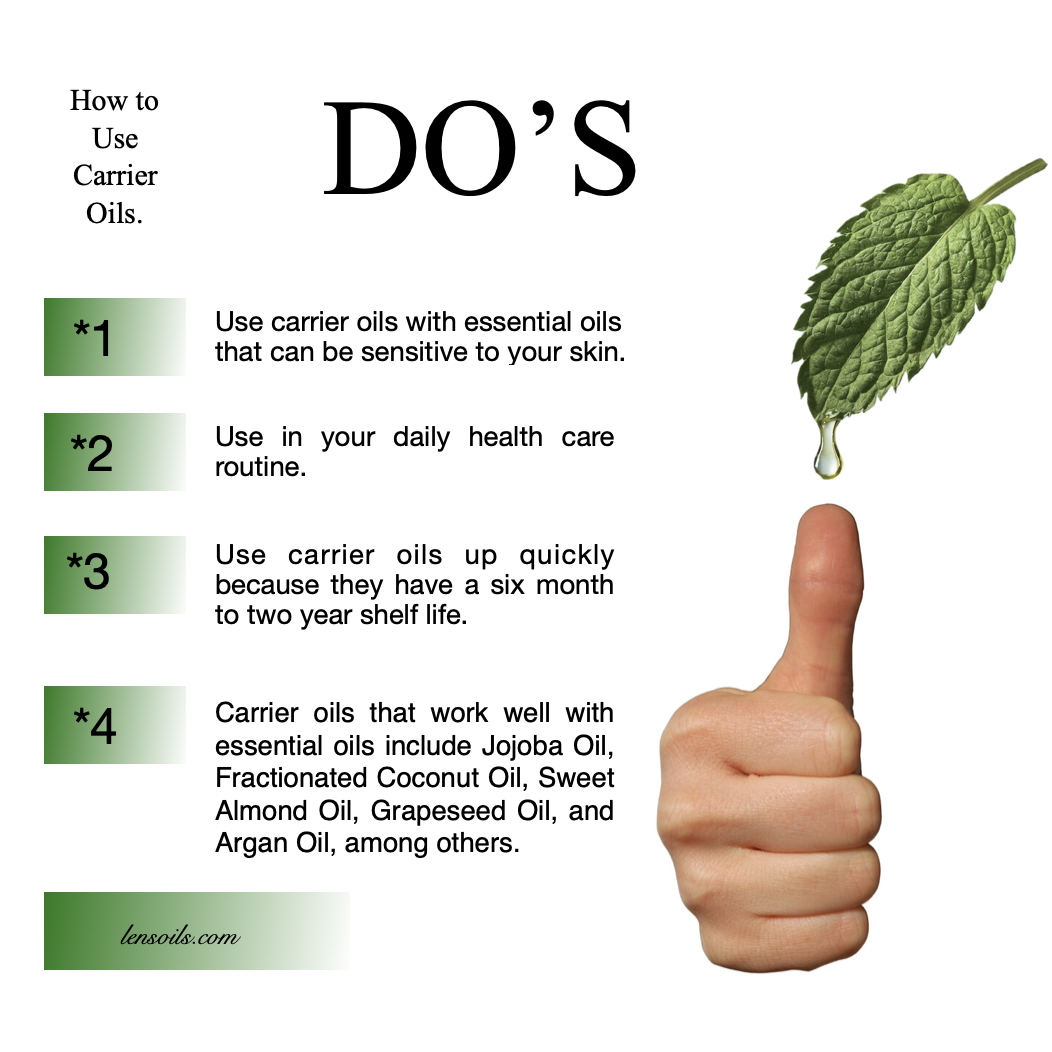
How to Use Carrier Oils:

Tamanu seed oil is a natural carrier oil derived from the seeds of the Calophyllum inophyllum tree, a tropical evergreen native to Asia, Africa, and the Pacific Islands. Traditionally, various parts of this tree have been used for medicinal purposes across these regions for hundreds of years, valued for their healing and nourishing properties. The oil is extracted through cold pressing, preserving its beneficial compounds and making it a popular choice in skincare for its moisturizing and regenerative effects.

This oil is rich in fatty acids, offers numerous skincare benefits, particularly for moisturizing and anti-aging. Its unique ability to absorb UV light can reduce DNA damage from UV radiation by up to 85%, making it a valuable addition to moisturizers for wrinkle prevention. Known for its regenerative properties, tamanu oil has shown promise in studies for supporting wound healing and scar reduction. It also works well as a carrier oil for essential oils, though those with nut allergies should use it cautiously due to potential allergic reactions.
How to Use Carrier Oils: Sweet Almond

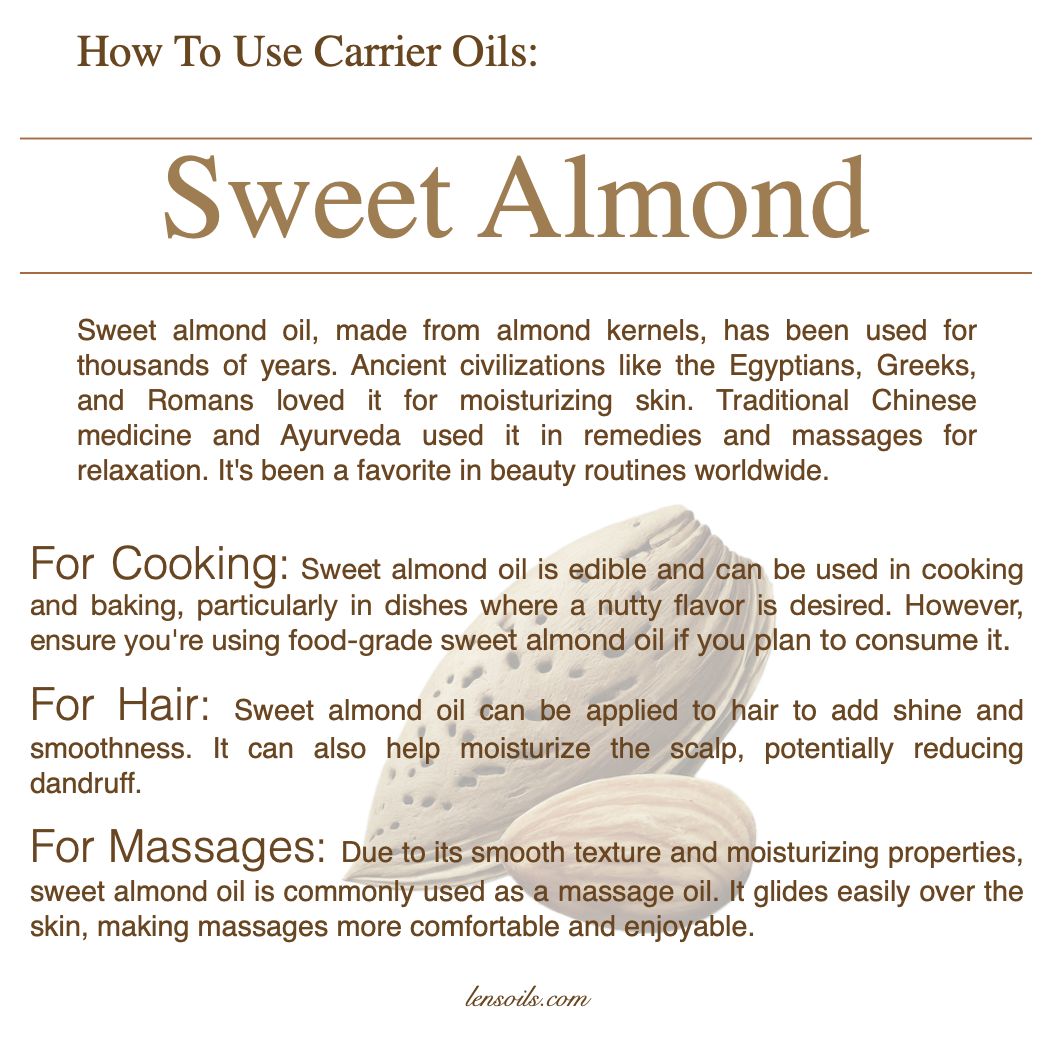
Sweet almond oil, derived from the kernels of almonds, has been valued for thousands of years across cultures for its skin-nourishing qualities. Ancient Egyptians, Greeks, and Romans used it as a natural moisturizer to soften and protect skin, a tradition that continues today. In traditional Chinese medicine and Ayurveda, sweet almond oil was also widely applied in therapeutic massages, as it is thought to have relaxation-promoting properties. Documented benefits of sweet almond oil include its high levels of vitamin E, fatty acids, and antioxidants, which contribute to its moisturizing and protective effects on the skin.

Beyond skincare, sweet almond oil is edible and used in cooking, particularly in dishes where a mild, nutty flavor enhances the recipe. However, only food-grade sweet almond oil should be consumed. In hair care, this oil is applied to add shine, smoothness, and scalp hydration, which may help reduce dandruff. Additionally, its smooth texture and ease of absorption make it a popular massage oil, offering both moisturizing effects and a gentle glide over the skin.

How to Use Carrier Oils: Rosehip

For thousands of years, people from cultures like the Egyptians and Mayans have used rosehip oil in traditional medicine to help with stomachaches, heal wounds, and more. During World War II, when oranges were hard to find, rosehips became an important source of Vitamin C to help fight illness. Later, in the 1980s, scientists discovered rosehip oil’s benefits for sensitive skin, making it a popular choice in beauty products.

Rosehip oil can be used in many ways. For skin, it works as a light, quick-absorbing moisturizer for all types, leaving skin feeling soft and hydrated. Just add a few drops to your clean face and massage gently. For hair, rosehip oil adds moisture and shine; massage a few drops into your scalp and hair, leave it for 30 minutes to an hour, then shampoo as usual. For scars and stretch marks, applying a few drops and massaging it twice a day may help reduce their appearance over time.

How to Use Carrier Oils: Raspberry Seed

Raspberries are not just delicious; they are packed with essential nutrients like vitamins C and K, fiber, and powerful antioxidants that help protect and nourish your body. The oil extracted from raspberry seeds brings even more benefits, especially for your skin and hair. This natural oil is rich in moisturizing properties, promotes healthy hair growth, and has soothing anti-inflammatory effects. It’s a gentle, effective way to give your skin and hair the care they deserve, helping you feel refreshed and revitalized.

For your face, just a few drops of raspberry seed oil, used morning and night, can make all the difference. It’s a non-greasy, easily absorbed moisturizer that leaves your skin feeling soft and smooth. You can mix it with your makeup remover, facial cream, or even add it to face masks or lip balms for an extra nourishing boost. For your hair, adding 2-3 drops to your shampoo, conditioner, or directly to your scalp or ends can promote shine, strength, and overall health. When it comes to your body, mix it with your lotion, sunscreen, or bath gel, or simply use it on its own for a luxurious, all-over moisturizing treatment. Your skin will feel deeply hydrated, and your hair will have that healthy glow and softness.

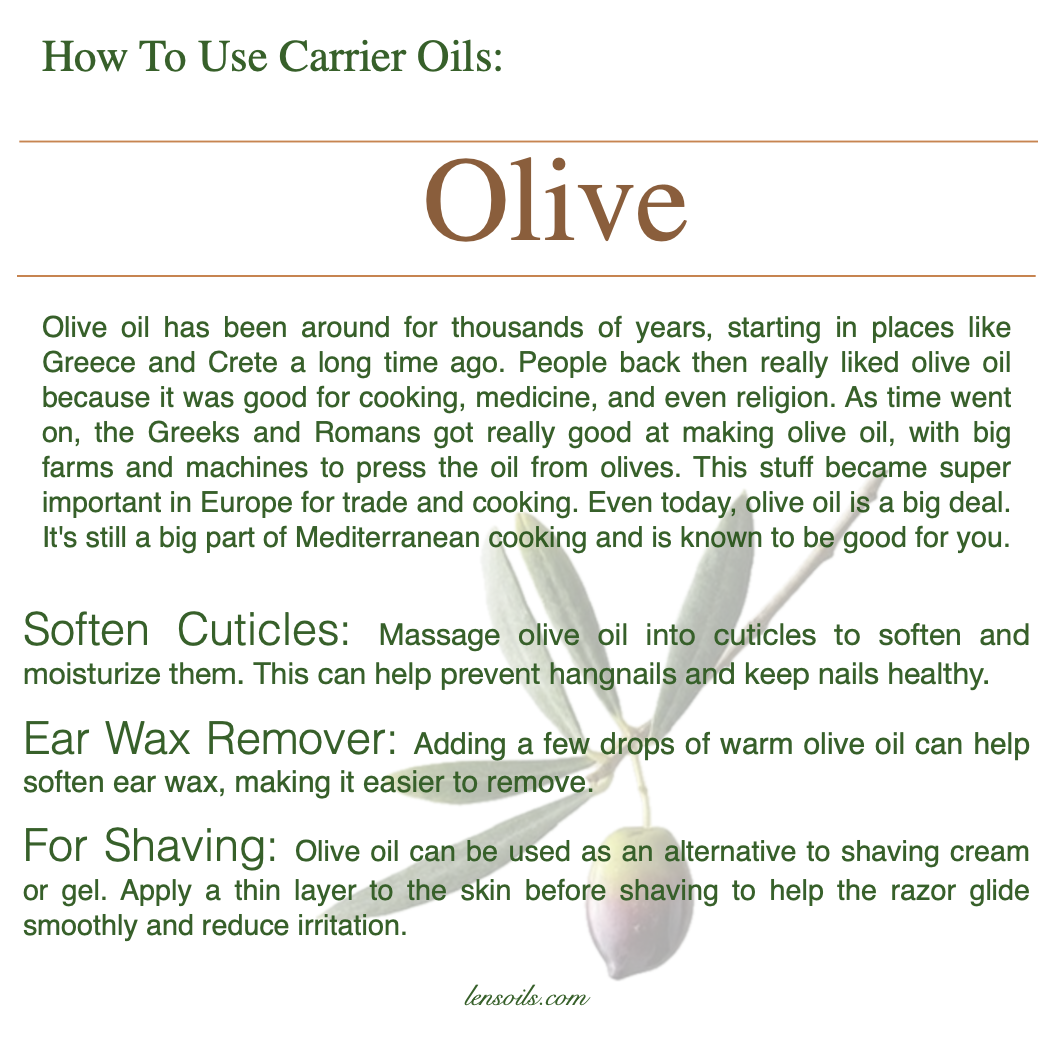
How to Use Carrier Oils: Olive

For thousands of years, olive oil has been a superstar, starting in ancient Greece and Crete. People loved it for cooking, medicine, and even religious ceremonies. As time went on, the Greeks and Romans perfected their olive oil game, creating massive farms and machines to press olives like pros. This liquid gold became a huge part of European trade and cooking. Fast forward to today, and olive oil is still a kitchen favorite, especially in Mediterranean dishes, where it adds flavor, health benefits, and a touch of history to meals everywhere. Olive oil truly stands the test of time!

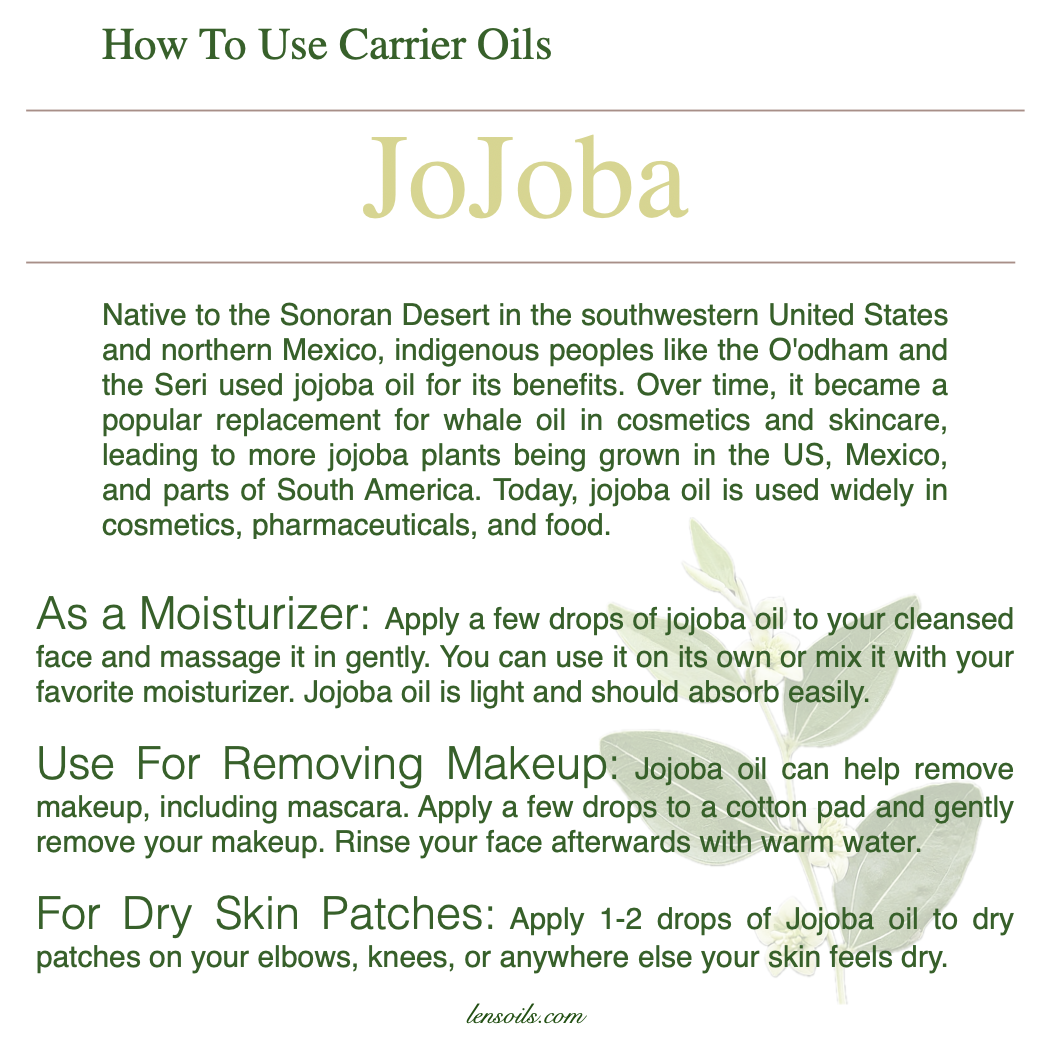
How to Use Carrier Oils: Jojoba

Originally from the Sonoran Desert in the southwestern United States and northern Mexico, people like the O’odham and the Seri used jojoba oil for its good effects. As time passed, it became a common substitute for whale oil in makeup and skincare. This led to more jojoba plants being grown in the US, Mexico, and parts of South America. Nowadays, jojoba oil is used a lot in makeup, medicine, and food.

How to Use Carrier Oils: Argon

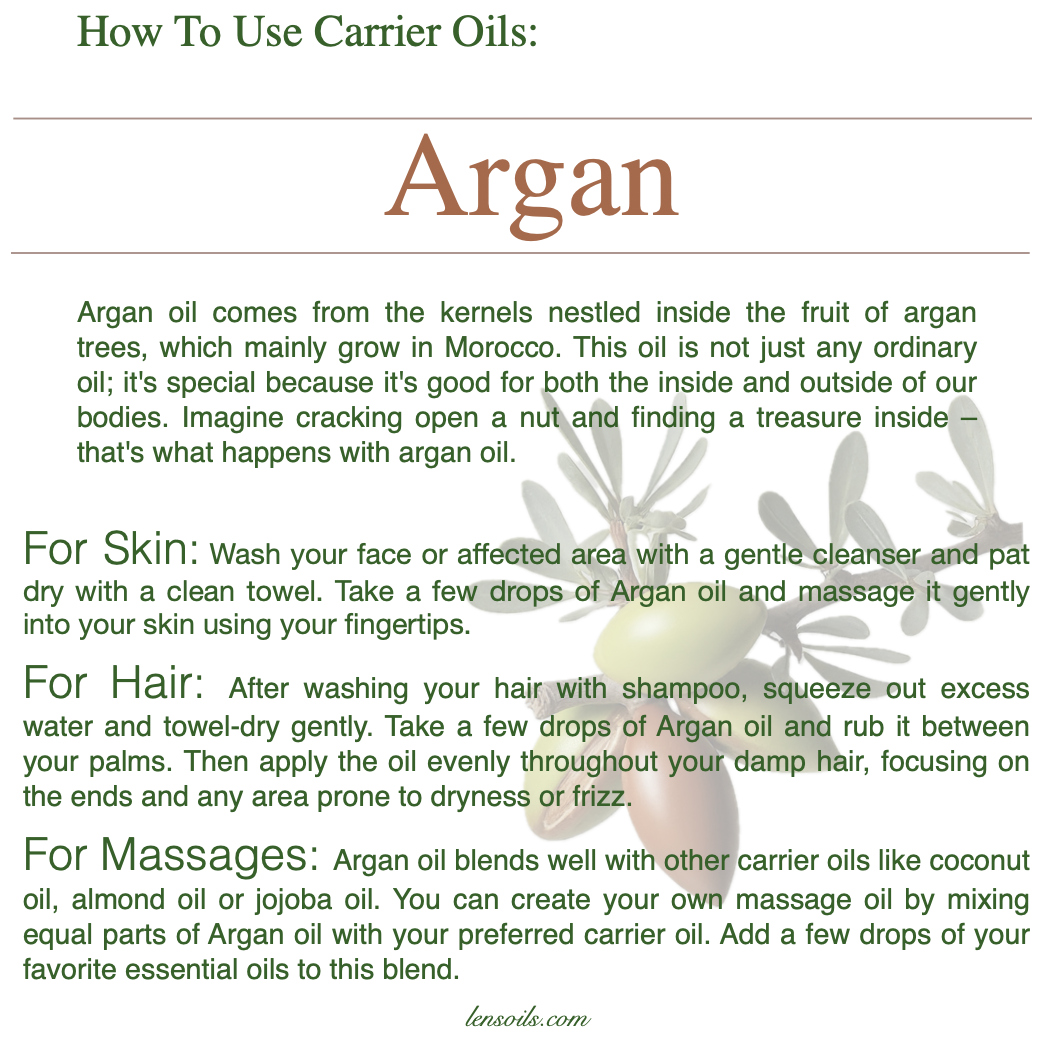
How To Use Carrier Oils: Argan

Argan Oil comes from the kernels nestled inside the fruit of argan trees, which mainly grow in Morocco. This oil is not just any ordinary oil; it’s a special carrier oil because it’s good for both the inside and outside of our bodies. Imagine cracking open a nut and finding a treasure inside—that’s what happens with argan oil.

For Skin:

To use Argan oil for skin, wash your face or affected area with a gentle cleanser and pat dry with a clean towel. Take a few drops of Argan oil and massage it gently into your skin using your fingertips. This natural oil can help to moisturizenourish, and improve the overall appearance of your skin.

For Hair:

To use Argan oil for hair, after washing your hair with shampoo, squeeze out excess water and towel-dry gently. Take a few drops of Argan oil and rub it between your palms. Then apply the oil evenly throughout your damp hair, focusing on the ends and any area prone to dryness or frizz. This helps to hydrate hair, reduce frizz, and add shine.

For Massages:

Argan oil blends well with other carrier oils like coconut oilalmond oil, or jojoba oil. You can create your own massage oil by mixing equal parts of Argan oil with your preferred carrier oil. Add a few drops of your favorite essential oils to this blend for a relaxing and nourishing massage experience.

How to Use Carrier Oils: Fractionated Coconut Oil

Fractionated Coconut Oil is a natural oil that easily goes into the skin, so it’s great for putting oils on your skin. It mixes well with all kinds of essential oils, and it doesn’t have any color or smell, and it won’t leave stains.

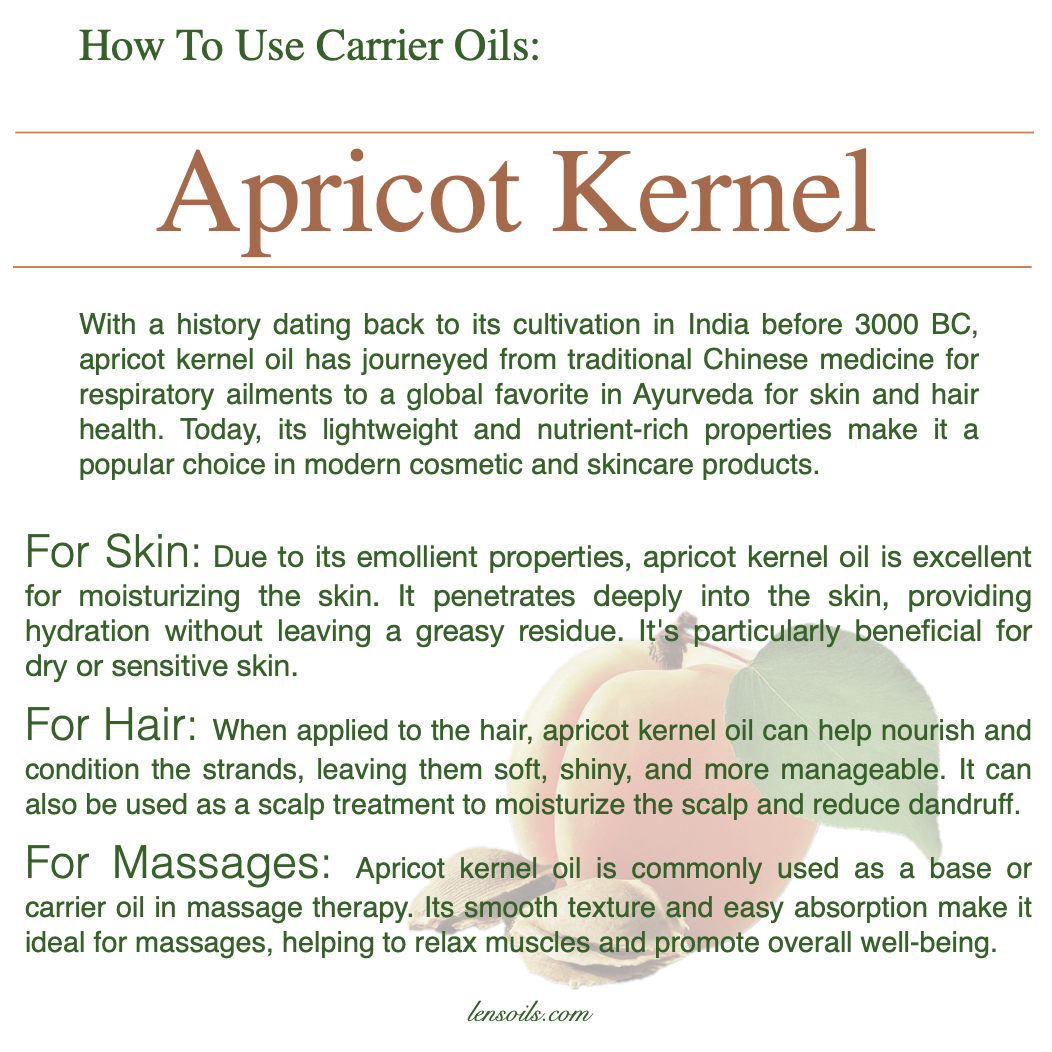
How to Use Carrier Oils: Apricot

Apricot kernel oil has a rich history, with its origins tracing back to India before 3000 BC. Initially used in traditional Chinese medicine to treat respiratory issues, it later became a beloved ingredient in Ayurveda for promoting skin and hair health. Today, its lightweight texture and nutrient-rich composition have made it a popular choice in modern cosmetic and skincare products around the world.