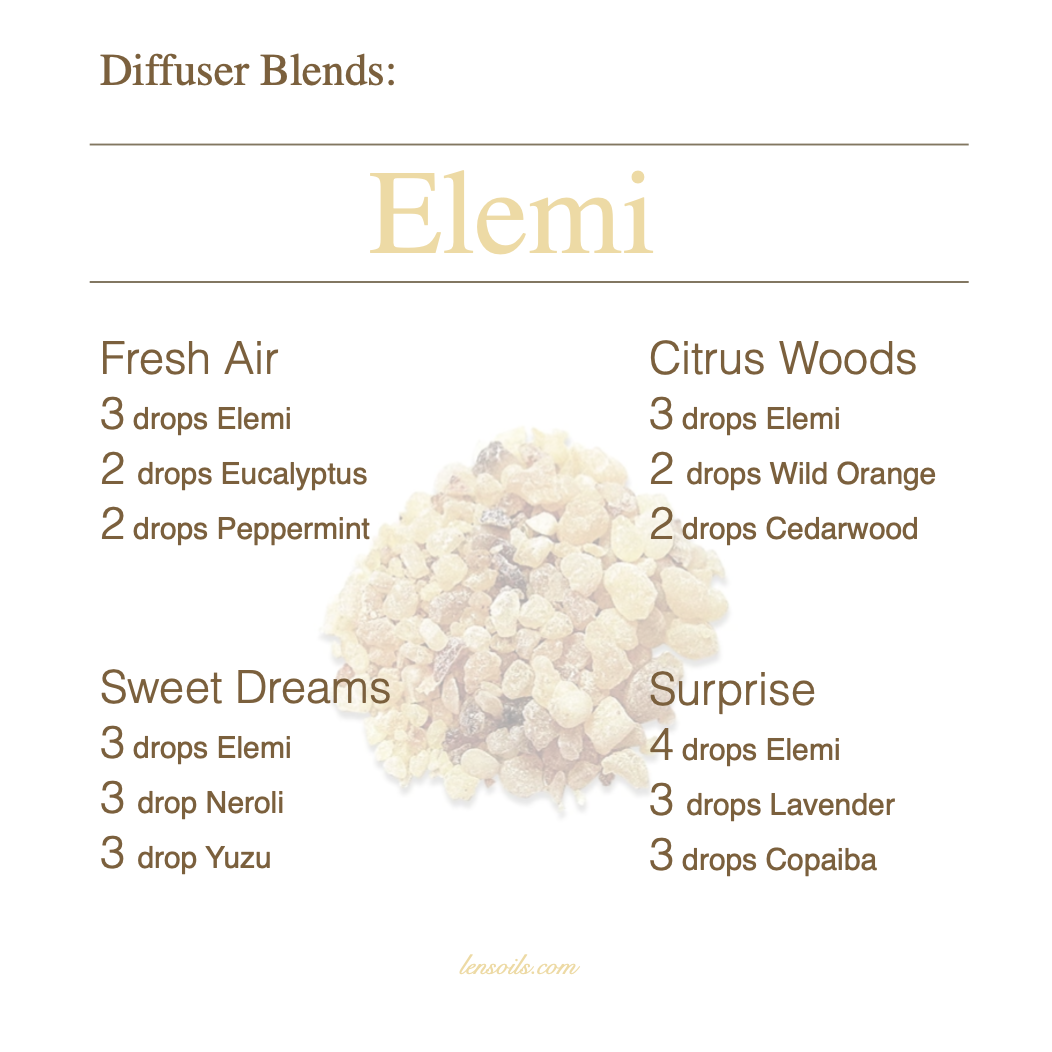
Elemi essential oil, with its fresh, citrusy, and slightly spicy aroma, is a hidden gem for creating versatile and uplifting diffuser blends. Its bright and resinous scent pairs beautifully with citrus oils like Lemon, Bergamot, and Sweet Orange for a cheerful and energizing atmosphere. Elemi also blends harmoniously with woodsy oils like Cedarwood, Sandalwood, and Frankincense, adding depth and warmth for a grounding effect. For a soothing and calming experience, pair Elemi with floral oils such as Lavender, Geranium, or Ylang Ylang. It works well with spicy oils like Ginger or Clove to create a cozy and invigorating blend, while its resinous quality complements herbal oils like Rosemary or Tea Tree for a fresh and cleansing scent. Whether you’re looking for balance, clarity, or an uplifting mood, Elemi’s versatility and unique aroma make it a standout choice for diffuser recipes.
Shirley Price’s name is synonymous with the rise of aromatherapy as a respected and widely practiced art. Born and raised in the United Kingdom, Shirley’s childhood was steeped in curiosity and a love for the natural world. Growing up in a modest yet nurturing household, she was encouraged by her family to explore science, creativity, and holistic living. This early foundation would serve as the blueprint for her life’s work. With a passion for helping others and a fascination with the healing properties of plants, Shirley embarked on a journey that would position her as a pioneer in the field of aromatherapy.
Shirley’s first encounter with essential oils was transformative. At a time when aromatherapy was far from mainstream, she became captivated by the potential of oils like lavender and tea tree to promote physical and emotional well-being. Her early experiments with these natural extracts fueled her passion for learning, and she immersed herself in studying their properties. For Shirley, essential oils represented a bridge between traditional medicine and natural remedies, a connection that inspired her to delve deeper into this emerging field.
In the 1970s, Shirley Price turned her passion into a profession with the founding of Shirley Price Aromatherapy. Focused on producing high-quality essential oils, her company became a beacon of integrity and innovation. Shirley was meticulous in sourcing her oils, ensuring they were pure, ethically produced, and effective. As one of the first advocates for the therapeutic use of essential oils in the UK, her business set the gold standard for quality in the industry.
Central to Shirley’s work was her deep understanding of essential oils and their benefits. She championed oils like eucalyptus for respiratory health, chamomile for relaxation, and peppermint for energy and mental clarity. Shirley’s research and personal experience demonstrated the versatility of essential oils in enhancing well-being. She didn’t just sell oils—she educated her customers, teaching them how to use these natural remedies safely and effectively.
Believing that knowledge was the cornerstone of progress, Shirley devoted herself to educating others about aromatherapy. She authored several books, including the seminal Practical Aromatherapy, which became a must-read for those entering the field. Her writing demystified essential oils, blending scientific research with practical advice to make aromatherapy accessible to a wider audience. Shirley also worked with healthcare professionals, advocating for essential oils to complement conventional treatments.
Under Shirley’s visionary leadership, her business grew from a small operation into an international enterprise. Her efforts to legitimize aromatherapy as a complementary medicine included collaborations with scientists, therapists, and industry professionals. By building a body of evidence supporting the benefits of essential oils, Shirley played a critical role in the global acceptance of aromatherapy as both an art and a science.
One of Shirley’s lasting contributions was her commitment to quality. She insisted on rigorous testing and ethical sourcing for every product that bore her name. This dedication to excellence earned her the trust of clients worldwide and established standards that are still followed in the industry today. Her brand became synonymous with purity and reliability, elevating aromatherapy to a level of credibility it hadn’t previously achieved.
Shirley’s approach to health went beyond essential oils. She embraced a holistic philosophy, advocating for the integration of aromatherapy with other natural therapies, such as massage, reflexology, and meditation. Her vision emphasized the interconnectedness of physical, emotional, and spiritual health, inspiring many to adopt a more balanced and mindful lifestyle.
As her influence grew, Shirley took steps to ensure her work would endure. She established the Shirley Price International College of Aromatherapy, training a new generation of therapists to carry her vision forward. The college became a hub for education and innovation, equipping students with the tools to use essential oils effectively and ethically. Shirley’s legacy lives on through the countless lives she touched, both directly and indirectly.
Shirley Price’s contributions to aromatherapy have left an indelible mark. From a small UK business to a global movement, her passion and dedication turned a niche practice into a respected industry. Today, her name continues to inspire trust, innovation, and excellence in the world of aromatherapy. Through her work, Shirley proved that nature truly holds the key to healing, and her vision continues to guide those who seek to harness its power.
Essential oils can be a natural way to boost energy and increase alertness throughout the day. One of the best ways to start your morning is by adding a few drops of peppermint or eucalyptus oil to the shower floor. As the steam rises, it carries the invigorating aroma of the oils, helping to wake up the senses and provide a refreshing start to the day. This method is especially useful for those who struggle with grogginess in the morning or need an extra push to feel energized.
For a portable energy boost, creating a DIY roll-on blend can be an effective solution. Mixing wild orange, peppermint, and lemon essential oils with a carrier oil in a roller bottle makes it easy to apply to pulse points such as the wrists, neck, or temples. This blend provides an uplifting and revitalizing scent that can be used throughout the day. Another quick method to regain energy is inhalation—simply rub peppermint oil in the palms, cup hands over the nose, and take deep breaths. This technique is particularly useful for afternoon slumps, helping to increase focus and refresh the mind.
Another lesser-known but effective method for boosting energy is using essential oils with a cold compress. Soaking a washcloth in cold water infused with peppermint or rosemary oil, then wringing it out and applying it to the back of the neck, provides a refreshing and cooling effect. This technique can help reduce fatigue, regulate body temperature on hot days, and provide instant invigoration. Incorporating these methods into a daily routine can naturally enhance energy levels and improve overall well-being.
Douglas Fir essential oil, with its fresh, clean, and slightly sweet evergreen scent, is a fantastic choice for creating diffuser blends that evoke the outdoors and bring a sense of calm and clarity. This versatile oil pairs beautifully with citrus oils like Lemon, Grapefruit, and Bergamot, adding a bright and uplifting note to its woodsy aroma. For a grounding and earthy vibe, blend Douglas Fir with Cedarwood, Sandalwood, or Vetiver. It also complements other tree oils like Siberian Fir, Black Spruce, and Cypress for a rich, forest-inspired aroma. To create a refreshing and invigorating blend, try pairing it with Peppermint or Eucalyptus. Douglas Fir’s versatility also extends to blending with warm spices like Clove or Cinnamon for a cozy, wintery feel. Whether you’re seeking a grounding, energizing, or soothing experience, Douglas Fir brings a crisp and natural element to any diffuser recipe.
Essential oils can be applied along the spine to help ease back pain and relieve pressure. When massaged into the spinal column, the oils are absorbed into the skin and work to soothe discomfort by targeting muscles and nerves. This method allows the essential oils to penetrate deeply, offering potential relief for tension, stiffness, and inflammation. Many people use this technique as part of a daily routine to support spinal health and overall well-being.
For optimal results, essential oils with soothing and anti-inflammatory properties should be used. Blends that include Wintergreen, Camphor, Peppermint, Blue Tansy, and Helichrysum are particularly effective. These oils work together to relax muscles, reduce swelling, and promote better circulation. Applying them with a carrier oil and massaging them along the spine can provide lasting benefits. This method is commonly used for back problems, soreness after physical activity, or general spinal support.
In addition to its soothing effects, applying essential oils along the spine may contribute to nervous system regulation. The spine houses the spinal cord, which transmits messages between the brain and the body. Essential oils can interact with nerve endings, potentially enhancing relaxation and reducing stress. Blue Tansy (Tanacetum annuum), in particular, has been studied for its anti-inflammatory properties, making it a valuable ingredient in spinal care blends. Incorporating essential oils into a massage routine may support both physical and emotional well-being.
Dill essential oil, with its fresh, herbaceous, and slightly sweet aroma, adds a unique touch to diffuser blends, perfect for creating an invigorating and comforting atmosphere. Dill blends wonderfully with citrus oils like Lemon, Lime, and Grapefruit, enhancing its fresh and zesty character. For a more grounding and earthy combination, try pairing Dill with Patchouli, Cedarwood, or Vetiver. It also works beautifully with floral oils such as Lavender or Geranium to balance its crispness with a touch of softness. For a warm, cozy vibe, blend Dill with spicy oils like Ginger or Clove. Whether you’re aiming for a kitchen-inspired blend by combining Dill with Basil and Rosemary or a refreshing and uplifting blend with Peppermint and Lemon, Dill’s bright and unique scent makes it a versatile and unexpected addition to any diffuser recipe.
The feet provide one of the safest and most effective ways to absorb essential oils into the body. The large pores on the soles allow oils to be quickly absorbed and distributed throughout the system, making foot application both fast and convenient. Many reflexologists believe that the bottoms of the feet contain reflex points that correspond to different organs, meaning essential oils applied to specific areas may offer targeted support. Simply rub 1-3 drops of essential oil onto the soles of the feet, then rub them together to evenly distribute the oil. This method is particularly useful before bed, as oils like lavender or cedarwood can help promote relaxation and restful sleep.
Because the skin on the feet is thicker than other areas of the body, it’s generally safe for most essential oils, but some, like oregano oil, should be diluted due to their potency. Mixing oregano, tea tree, or eucalyptus essential oil with fractionated coconut oil can be beneficial for foot health, helping to cleanse and support the skin. Essential oils applied to the feet can also provide warmth and circulation support—peppermint or ginger oil, for example, can create a warming or cooling sensation, depending on personal needs. Whether for relaxation, immune support, or overall wellness, applying essential oils to the feet is a simple yet powerful way to experience their benefits.
Essential oils can be used in water to support digestion, hydration, and overall well-being. When added to drinking water, essential oils such as lemon, peppermint, or ginger may aid the digestive system by soothing occasional stomach discomfort and supporting nutrient absorption. A drop of peppermint oil in a glass of water can provide a cooling effect on hot days, helping to refresh and energize the body. Additionally, some essential oils, like tea tree or clove, may offer soothing relief when gargled in water, making them a natural option for addressing minor throat irritation.
When using essential oils in water, it’s important to follow safety guidelines to maximize benefits. Always use glass or ceramic containers, as essential oils can degrade plastic and Styrofoam, potentially leaching harmful chemicals into the liquid. Since essential oils are highly concentrated, only a drop or two is needed per glass of water, and they should always be thoroughly mixed before drinking. For a more enjoyable experience, citrus oils like wild orange or grapefruit can be added to enhance the flavor while also providing their cleansing and invigorating properties.
Cypress essential oil, with its fresh, woody, and slightly evergreen aroma, is a versatile addition to any diffuser blend. Known for its grounding and refreshing properties, Cypress pairs beautifully with other woodsy oils like Cedarwood, Black Spruce, and Juniper Berry to create blends that evoke the calm of a forest. Its crisp scent also blends seamlessly with citrus oils such as Lemon, Bergamot, and Grapefruit, adding a bright and uplifting touch. For a soothing and balanced aroma, try combining Cypress with floral oils like Lavender or Geranium. Whether you’re looking to create an invigorating outdoor-inspired blend, like pairing Cypress with Peppermint and Tea Tree, or a calming retreat with Cypress and Sandalwood, this essential oil enhances a variety of aromatic combinations. It’s perfect for diffusing when you want to bring a sense of clarity, tranquility, or natural freshness into your space.
“You can’t buy happiness, but you can buy essential oils, and if lavender, peppermint, and eucalyptus can make you feel like you’re living your best spa life, isn’t that close enough?” 🌿





 Len's Oils