Before blaming others for their faults, it helps to notice how quick we are to excuse our own. We’re often excellent judges of other people’s behavior while being generous lawyers for ourselves. A little honest self-reflection tends to improve our health far more than pointing fingers ever does.
The Japanese proverb reminds us that the person who eats plain food is usually the healthiest — comforting news for anyone who orders rice without a speech. While others chase superfoods and trends, this wisdom points to simple meals, modest portions, and food that doesn’t need explaining. It’s quiet, unfashionable, and somehow keeps working year after year.
Chesterton nailed it: if you spend every waking moment trying to keep your body perfectly healthy, you may end up mentally exhausted and afraid of birthday cake. When health turns into constant monitoring, the mind never gets a day off. Real wellness leaves room for laughter, rest, indulgence, and the occasional rule-breaking snack. A sound body matters, but not at the cost of joy or peace of mind.
Eat well, be active, feel good about yourself — a simple plan until a donut appears, the couch calls your name, and your confidence needs a reboot. Still, it works. Feed your body like it matters, move it the way it was designed to move, and stop talking to yourself like a disappointed gym teacher. Health isn’t perfection or kale worship — it’s doing the basics most days and laughing when you don’t.
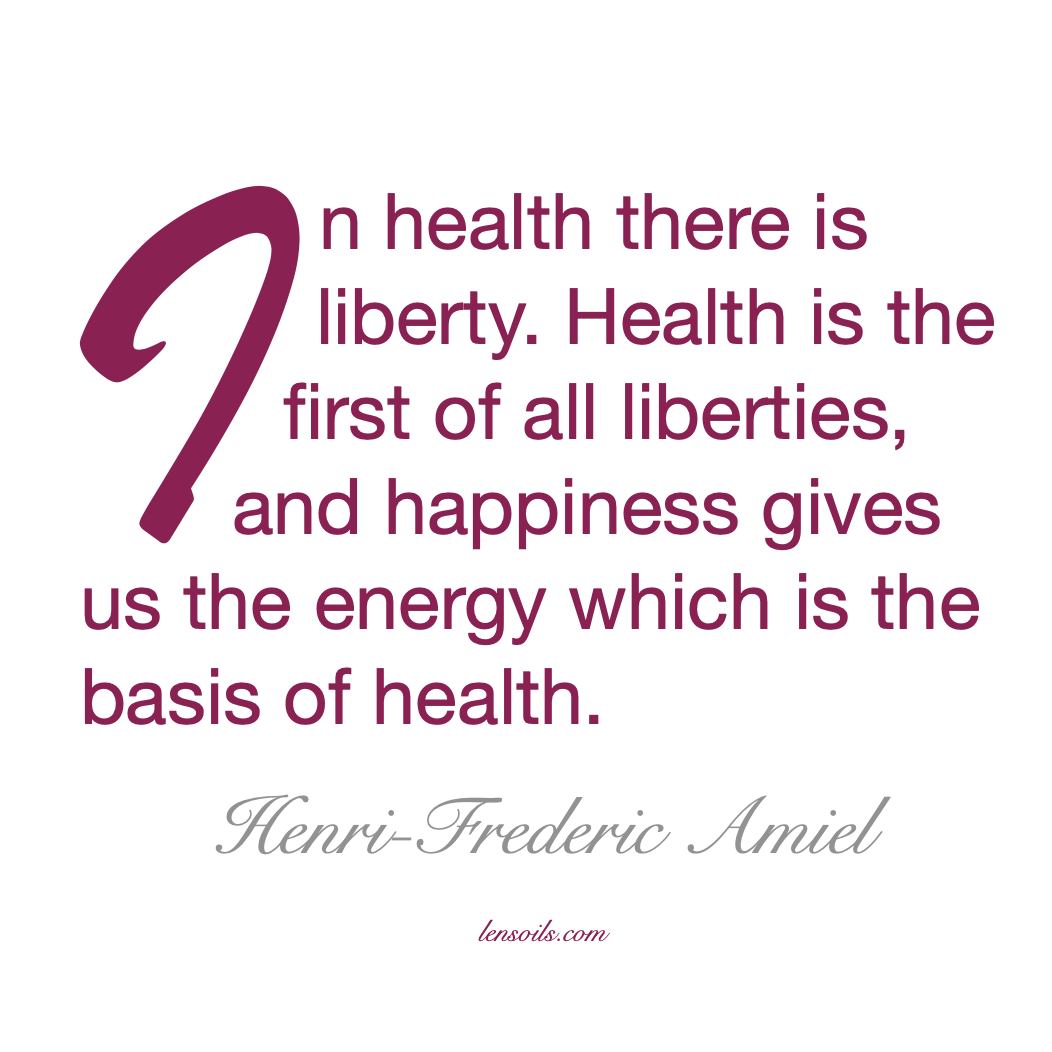
I love this quote because it flips the order we usually argue about. We chase freedom first, happiness second, and health somewhere far down the list. Amiel suggests the opposite. Health is liberty because nothing limits choice faster than a body that won’t cooperate. When your energy is gone or pain takes over, freedom becomes theoretical. You may have options, plans, and good intentions, but your body quietly vetoes them all.
The clever twist is that happiness isn’t the reward for health, it’s the fuel for it. Joy lowers stress, meaning steadies us, and connection keeps our nervous systems from living in panic mode. We often treat happiness as optional and our bodies like rental cars, pushing them hard and ignoring the warning lights. This quote reminds us that caring for health and allowing happiness isn’t indulgent, it’s how freedom stays usable.
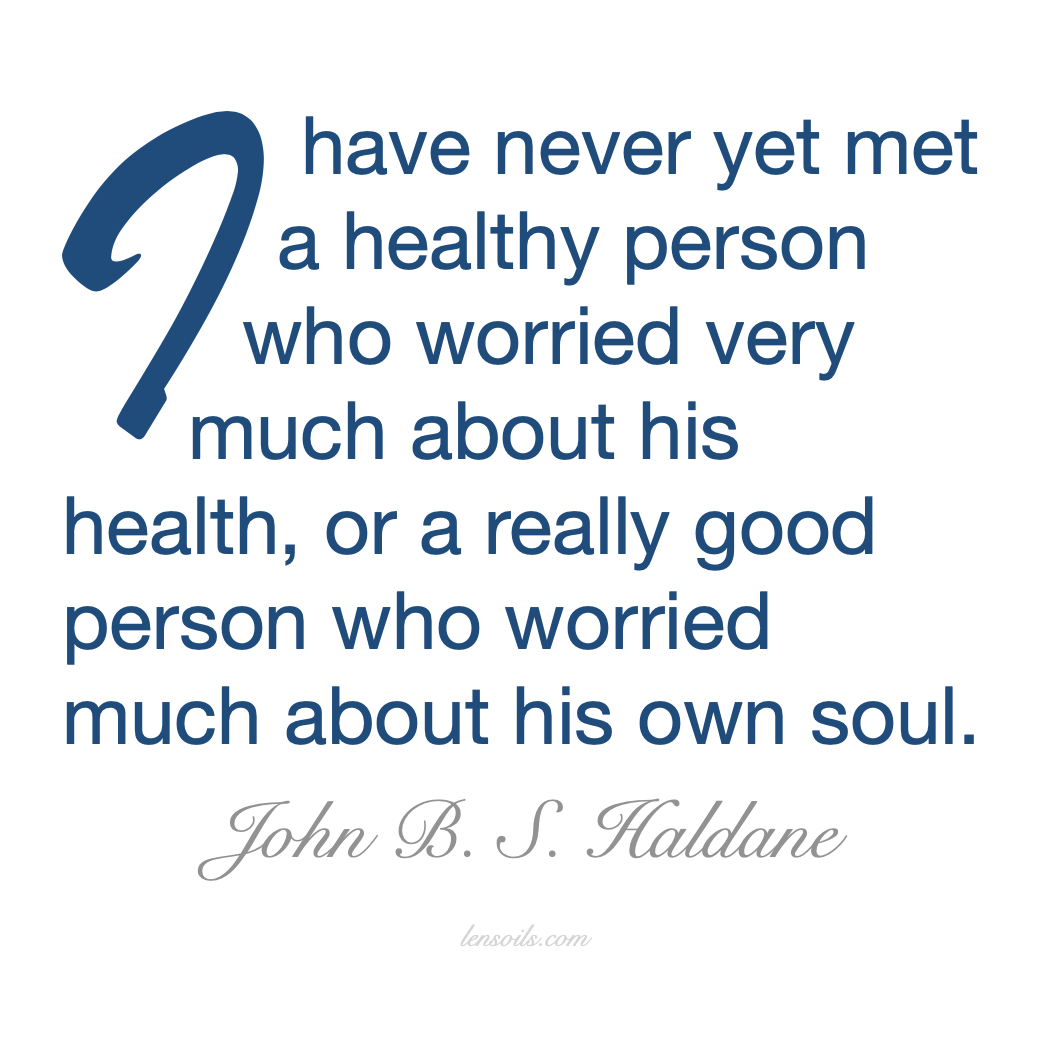
“I have never yet met a healthy person who worried very much about his health, or a really good person who worried much about his own soul.” —John B. S. Haldane
Or… kind of like how the person who says “I’m not competitive” is usually the one flipping the board game when they lose.
—Meaning: when you’re genuinely well or truly good, you live it naturally — you don’t have to obsess over proving it.
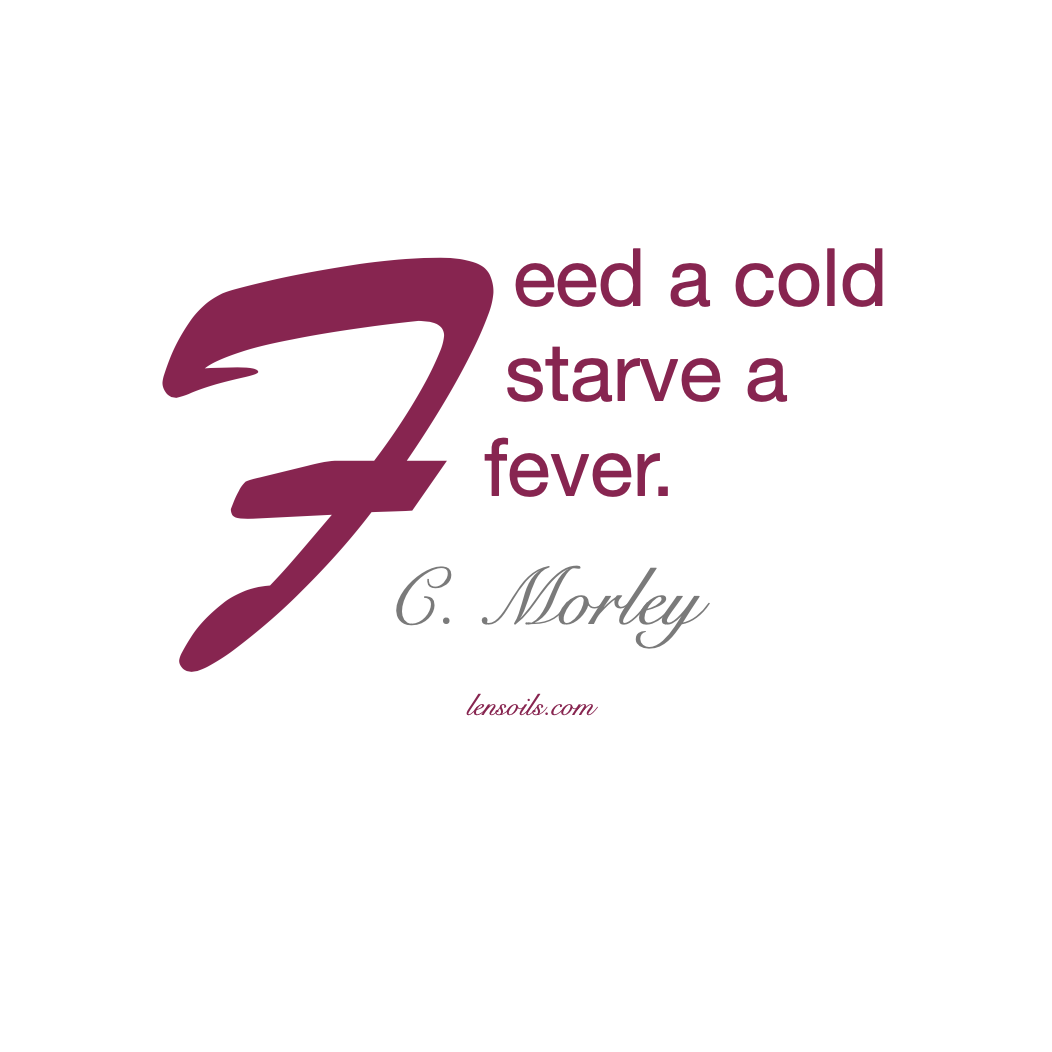
Or… basically, when you’re sick, your grandma will either stuff you with soup or forbid you from touching the fridge — and somehow both are “doctor’s orders.”
—Meaning: listen to your body. Sometimes it needs fuel, sometimes it needs rest.
“To ensure good health: Eat lightly, breathe deeply, live moderately, cultivate cheerfulness, and maintain an interest in life. —William Londen”
Or, in other words: don’t just count calories, count moments. Laughter is cheaper than medicine, curiosity lasts longer than vitamins, and joy is the best daily workout.
“Kindness, like grain, increases by sowing… but thankfully, you don’t need a tractor or overalls to spread it around.” —Meaning: small acts of kindness can multiply just as crops do—minus the farm equipment.


 Len's Oils