
“Good health and good sense are two of life’s greatest blessings… and if you lose one, the other better be strong enough to keep you from licking electrical outlets.”
—Meaning: stay healthy and think smart, because they work best as a team.
“Good health and good sense are two of life’s greatest blessings… and if you lose one, the other better be strong enough to keep you from licking electrical outlets.”
—Meaning: stay healthy and think smart, because they work best as a team.

Thomas Fuller was a prolific writer and historian whose works often contained sharp observations about human nature. Born in England in 1608, Fuller became known for his engaging storytelling and insightful proverbs, many of which remain relevant today. His book Gnomologia: Adagies and Proverbs compiled many such maxims, reflecting his deep understanding of life’s realities. Fuller lived during a time of great hardship, including the English Civil War, where sickness and suffering were widespread. This likely influenced his perspective on the fleeting nature of good health. His famous proverb, “Health is not valued till sickness comes,” highlights a universal truth—people often overlook their well-being until it is compromised.
This saying remains profoundly relevant in modern society, where busy lifestyles, stress, and poor habits can lead to neglecting personal health. Many people fail to appreciate their ability to move freely, breathe easily, or live without pain until illness strikes. The proverb serves as a reminder to prioritize health before problems arise, encouraging preventive care and mindful living. Advances in medicine and technology have made healthcare more accessible, yet the fundamental lesson remains unchanged—good health is a priceless gift, and once lost, it is not always easy to regain. Fuller’s words continue to resonate, urging people to cherish and maintain their well-being before they are forced to confront the consequences of neglect.

John Kensington, a wealthy businessman in 19th-century London, spent decades amassing a fortune. He owned textile mills, invested in railways, and lived in a grand estate. But in his relentless pursuit of wealth, he neglected his well-being—working long hours, surviving on rich but unhealthy meals, and avoiding rest. At 55, he was diagnosed with severe heart disease. His doctor told him, “All your gold cannot buy back your health.” Forced into retirement, John sought cures in European spas, hiring the best physicians, but nothing restored his youth or energy. One day, he visited an old friend, a modest farmer named Samuel, who lived simply but was strong and full of life. As they sat in the countryside, John realized that Samuel, though poor in riches, had something far more valuable—good health. That day, John uttered, “I would trade all my wealth to feel as you do.” But time had run out, proving the truth of the old proverb: good health is above wealth.

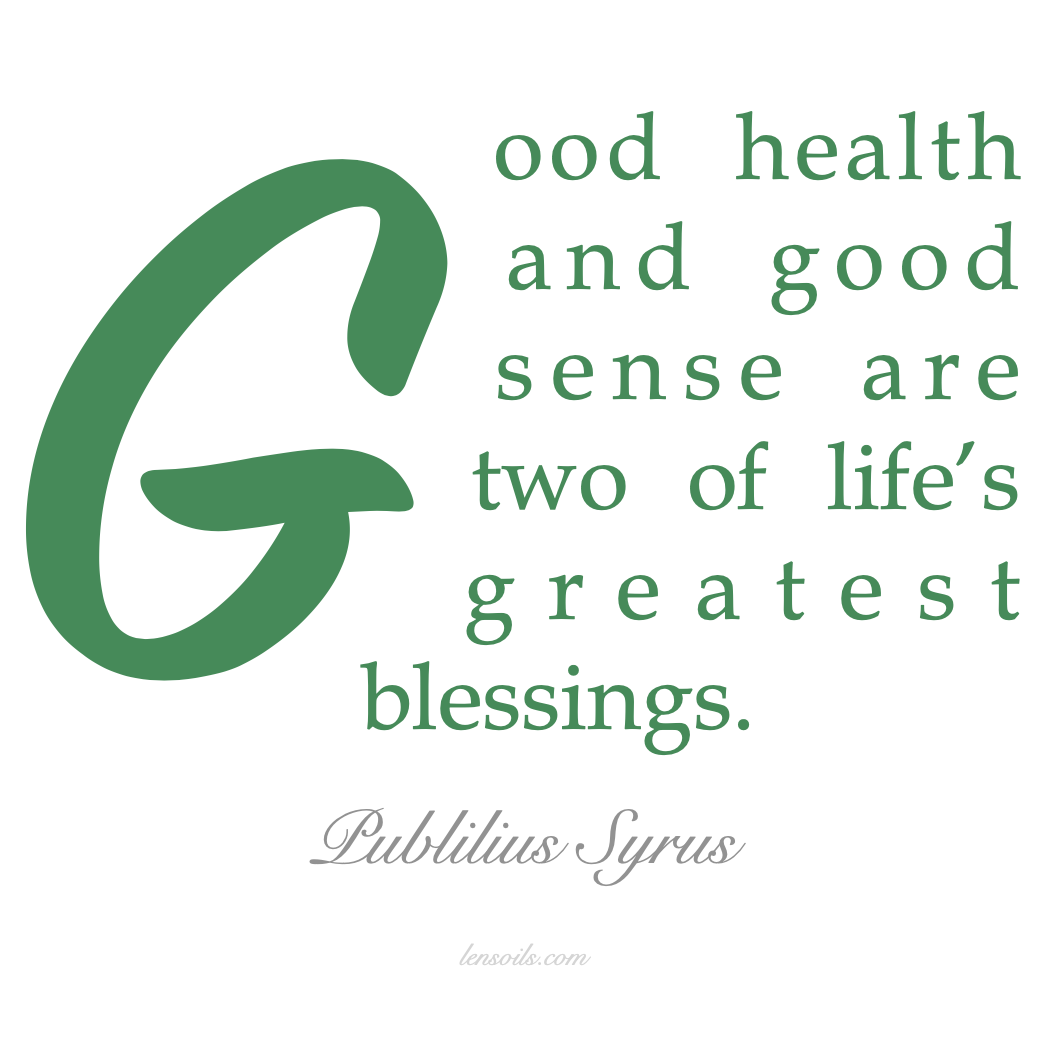

Good health and good sense are two great blessings.
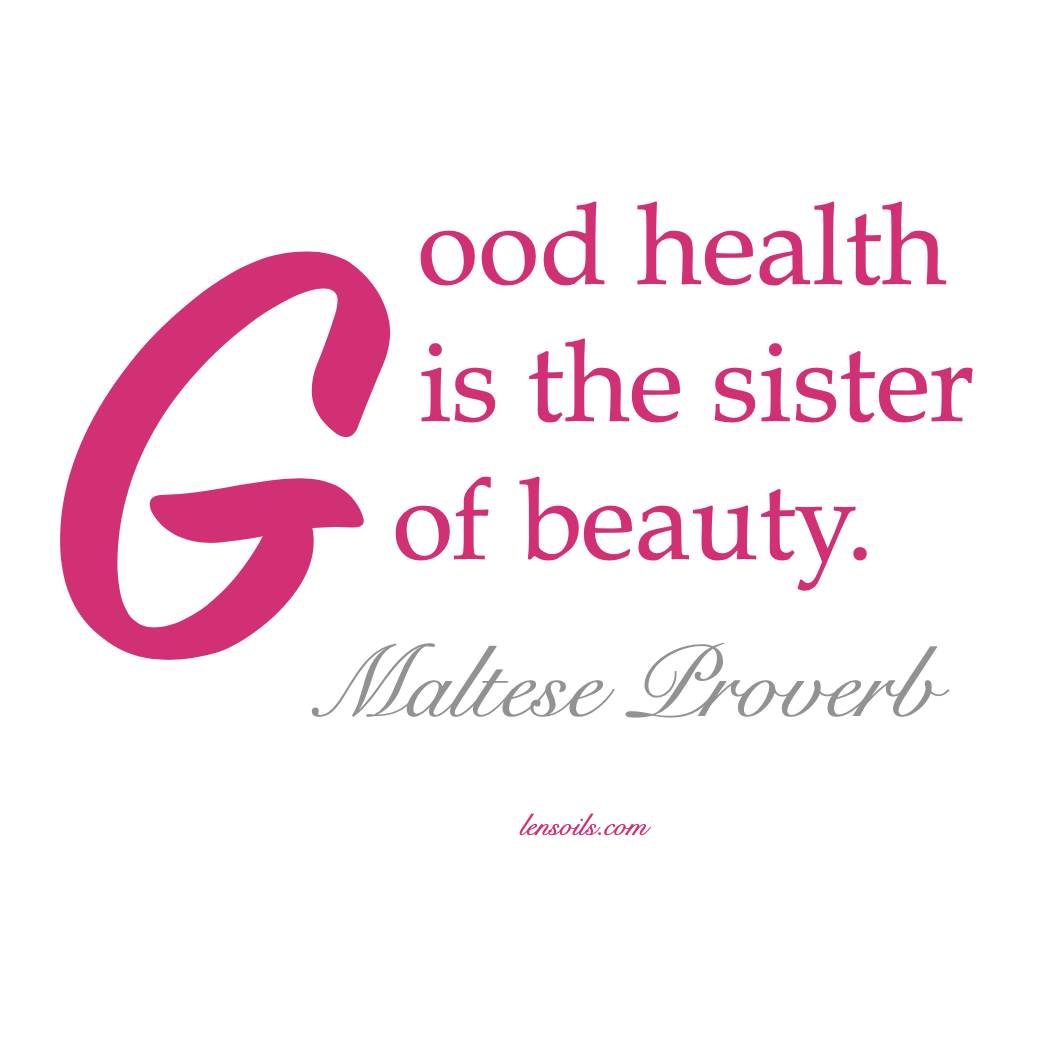
Good health is the sister of beauty.

This health proverb is so true. Do what it takes to maintain good health, you will feel better and look better.

This is so true!
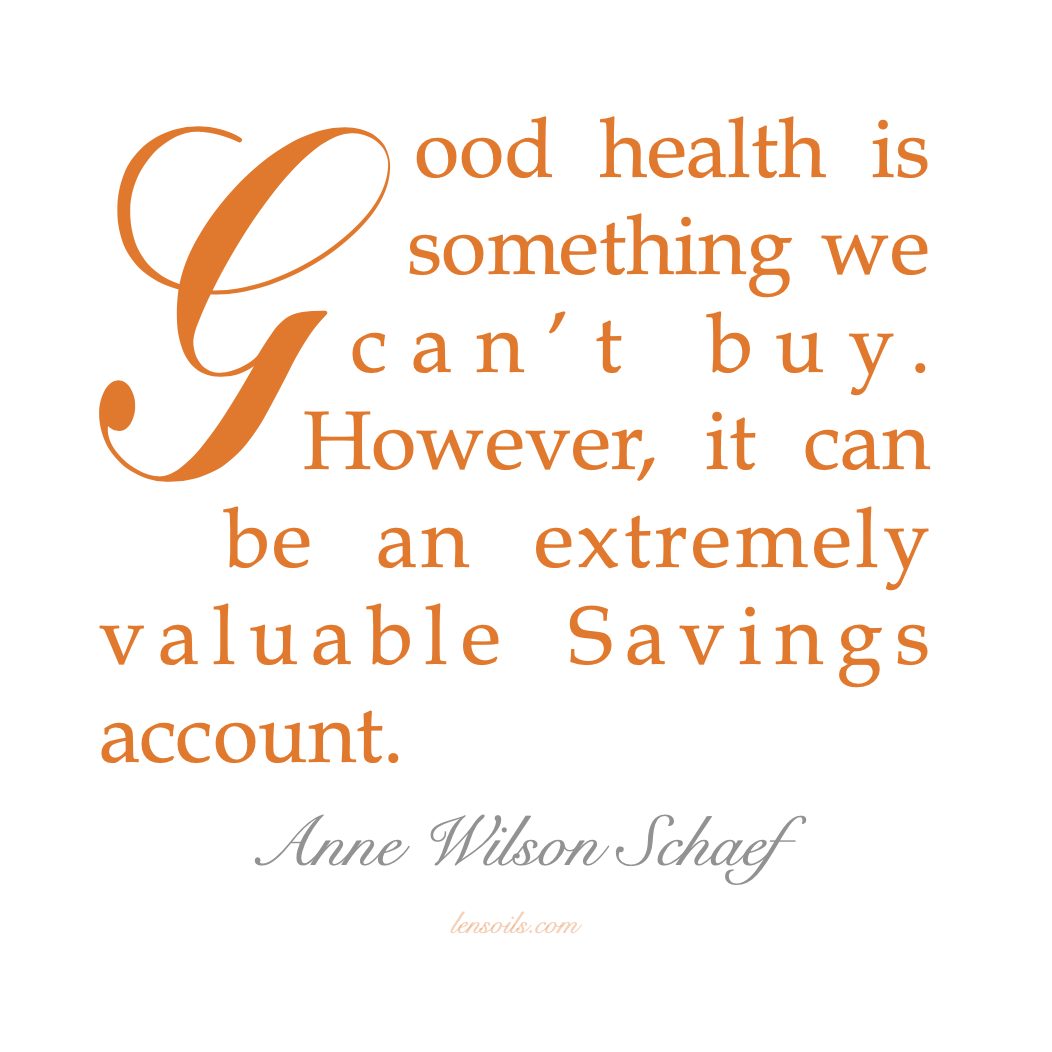
Good health is definitely something we can’t buy.
 Len's Oils