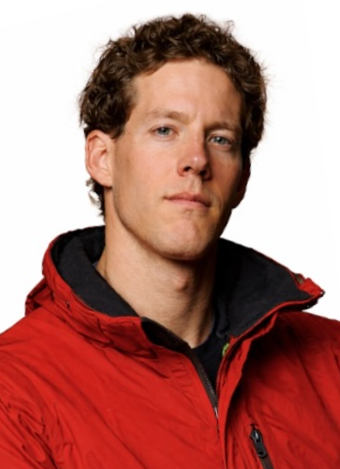
Aron Ralston loved solitude and challenge, believing that self-reliance was built far from crowds. In the spring of 2003, he traveled alone to a remote slot canyon in Utah, expecting a brief, familiar adventure. He carried climbing gear, a small supply of food and water, and strong confidence in his experience. One detail was missing. He did not leave his exact plans with anyone, trusting preparation more than precaution.
While descending a narrow canyon wall, a massive boulder suddenly shifted. Aron lost his balance, and the rock crushed his right arm against the canyon wall, pinning it tightly. He shouted, but the canyon offered no answer. There was no cell service and no sign of other hikers. Within moments, he understood the seriousness of his situation. Escape was impossible without freeing his arm, and help was nowhere nearby.
Aron spent hours testing every option. He pushed, pulled, twisted, and used his climbing gear to create leverage, but the boulder did not move. As daylight faded, he marked time by carving lines into the canyon wall. He rationed his water carefully, knowing it would not last long. With each passing day, dehydration weakened him, and the silence forced him to confront the reality that no one knew where he was.
As the hours stretched into days, Aron’s thoughts drifted beyond the canyon walls. He imagined family members, future conversations, and moments he had once assumed would always be there. Simple images returned: shared meals, laughter, and unfinished plans. These were not dramatic visions, but reminders of connection. Life beyond the canyon began to feel real again, and he understood survival meant returning to people and experiences that still mattered deeply.
That growing sense of connection reshaped his fear into resolve. Aron realized that remaining trapped was no longer endurance but surrender. Choosing life meant accepting unbearable pain now to protect everything that came after. His thoughts became calm and focused. The decision ahead was not impulsive or desperate. It was deliberate, formed through reflection and responsibility. He understood that survival required action, even when the cost felt unthinkable.
Using a small multi-tool, Aron prepared himself mentally for what he had already accepted. He broke the bones in his arm to make the act possible, then amputated the trapped limb with controlled determination. The pain was extreme, but he stayed conscious by focusing on breath and purpose. This moment was not driven by panic. It was an act of responsibility, claiming ownership of his life and the consequences of his choices.
Freeing himself was only the beginning. Aron rappelled down a canyon wall, then hiked several miles through rough terrain while injured and severely dehydrated. Each step required discipline and focus. He refused to rush, knowing mistakes could cost his life. Eventually, he encountered other hikers who helped him reach safety. Rescue came not through luck, but through persistence, preparation, and the willingness to keep moving despite exhaustion.
During recovery, Aron reflected on what the canyon had taught him. He acknowledged the risks he had taken and the importance of communication and preparation. Independence, he learned, does not mean isolation. Responsibility includes letting others know where you are and understanding that choices carry weight. Rather than feeling defeated, Aron felt grateful. The experience reshaped how he approached adventure, connection, and awareness moving forward.
Aron later shared his story openly, not to shock others, but to teach accountability and resilience. He trained again, returned to climbing, and built a meaningful life shaped by clarity rather than fear. Losing an arm did not end his future. It refined it. Strength, he discovered, is not avoiding mistakes, but responding to them with honesty, courage, and the discipline to grow beyond them.
Taking responsibility can save your life. Aron survived because he faced the truth of his situation, accepted the weight of his choices, and acted with clear purpose rather than denial. His experience shows that responsibility is not about blame or regret. It is about awareness, preparation, and the courage to act when the moment arrives and decisions carry lasting consequences.
 Len's Oils