It began in sun-drenched fields, where soft feathery stalks swayed in the breeze and the air smelled faintly of licorice and earth. Long before maps had borders and names, this plant grew wild along the shores of the Mediterranean. Ancient hands didn’t call it medicine or spice—they just knew that chewing a few seeds settled the stomach and brightened the senses. The knowledge didn’t come from books. It came from experience.
Through wars and winters, the plant remained. Roman soldiers chewed its seeds for courage. Midwives in medieval villages gave it to new mothers for strength. In some places, it was hung over doorways to ward off unwelcome spirits. In others, it was ground into food to flavor feasts and help with digestion after. It became a plant of the people, simple, strong, enduring and always nearby.
As centuries turned, apothecaries and herbalists began boiling the seeds, pressing the oils, and steeping the leaves. And when modern distillation arrived, something even more concentrated emerged. The scent was sweet but strong—like anise and black licorice, with something warm beneath. People began to use it for clarity, for confidence, for calming unsettled thoughts. No one needed permission. They just liked how it made them feel.
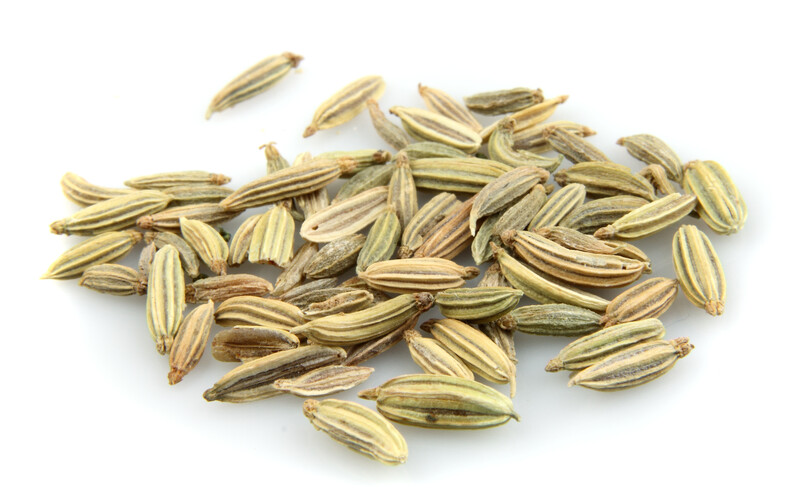
Today, the steam distillers run quietly in rural hillsides where the tradition is still alive. The seeds are collected when they’re rich in oil, their pale green shells holding a powerful secret. In small villages, farmers still know which rows produce the boldest flavor, and which seasons yield the brightest scent. And companies like doTERRA have chosen to partner with these growers—preserving not just the oil, but the hands and heritage behind it.
That light-green plant, with feathery leaves and tiny seeds that shimmer in the sun, has flavored food, soothed spirits, and sharpened minds for thousands of years. It was trusted by mothers, soldiers, and healers alike. Its name? That came later—borrowed from Latin, carried across languages, and eventually distilled into something more than a spice. This is Fennel. Now you know the rest of the story.
 Len's Oils