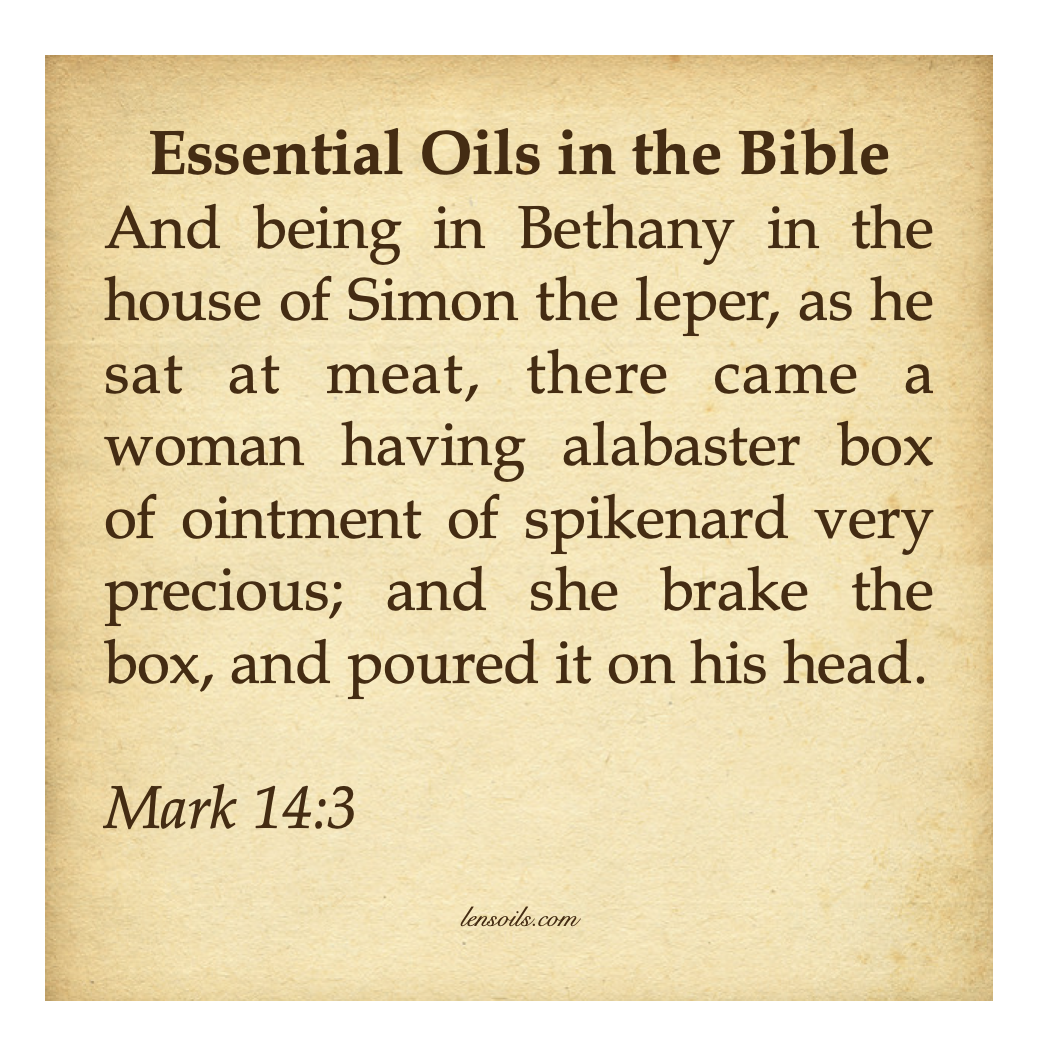
The verse in Mark 14:3, “And being in Bethany in the house of Simon the leper, as he sat at meat, there came a woman having an alabaster box of ointment of spikenard very precious; and she brake the box, and poured it on his head,”recounts a profound moment of worship and devotion in the life of Jesus. This event took place shortly before His crucifixion and is rich with symbolism and cultural significance.
Historical and Cultural Backstory
The story unfolds in Bethany, a village near Jerusalem, in the home of Simon the leper—a man whom Jesus may have healed. During the meal, an unnamed woman (identified as Mary of Bethany in the Gospel of John) approaches Jesus with an alabaster jar of spikenard, a rare and costly essential oil. Spikenard was imported from the Himalayan region, making it extremely valuable and often reserved for special occasions such as anointing kings or preparing bodies for burial.
By breaking the jar and pouring the oil on Jesus’ head, the woman demonstrated extravagant love and reverence. This act had both symbolic and practical meanings: it acknowledged Jesus’ divine kingship and foreshadowed His death and burial. The anointing was also an act of profound humility and worship, as the woman gave freely of something precious without hesitation or concern for cost.
Connections to Essential Oils
Spikenard, mentioned here, is one of the essential oils frequently referenced in the Bible. Known for its earthy, rich aroma, spikenard was used in ancient times for its calming and healing properties, as well as in sacred rituals. Its inclusion in this story emphasizes the high value placed on oils and ointments in biblical culture—not only for physical uses but also as spiritual symbols of blessing and consecration.
The alabaster box itself adds to the significance. Alabaster was a material used to preserve the quality and fragrance of precious oils, reflecting the sacredness of the moment. The breaking of the jar symbolizes complete devotion and the act of giving without reservation—a theme that resonates deeply with the teachings of Jesus.
This passage connects essential oils to themes of worship, sacrifice, and healing. It highlights how oils like spikenard were intertwined with spiritual practices, used to honor God and express deep love and faith. Today, spikenard and other biblical oils continue to inspire reflections on their ancient significance and their role in nurturing both body and spirit.
 Len's Oils